PayPal’s PYUSD stablecoin has become the first major crypto asset to achieve widespread adoption in both the European Union and Japan, marking a pivotal moment for digital payments and financial technology. According to CoinDesk, PYUSD—backed 1:1 by the U.S. dollar—now processes over $70 million in daily transactions across the two regions, with adoption accelerating among merchants, remittance services, and institutional investors.
Launched in 2023 as part of PayPal’s broader push into blockchain-based payments, PYUSD has distinguished itself by integrating seamlessly with PayPal’s existing ecosystem, including Venmo and Xoom. This move comes as traditional finance and crypto converge, with regulators in both the EU and Japan increasingly scrutinizing stablecoins for compliance with anti-money laundering (AML) and know-your-customer (KYC) laws. Meanwhile, competitors like USDT and USDC face growing pressure to adapt to stricter licensing requirements in key markets.
The expansion into Japan—where crypto adoption has historically lagged behind other Asian markets—reflects a deliberate strategy by PayPal to tap into the country’s $1.5 trillion remittance market, where PYUSD is being tested for cross-border payments. In the EU, the stablecoin’s growth aligns with the bloc’s push for a digital euro, though PYUSD’s private-sector backing positions it as a direct competitor to central bank digital currencies (CBDCs).
Why PYUSD Stands Out: Backing, Speed, and Regulatory Compliance
Unlike many stablecoins that rely on a mix of cash and short-term securities for reserves, PYUSD is fully collateralized by U.S. Treasury bills and cash equivalents, a model that has earned it approval from the U.S. Securities and Exchange Commission (SEC) as a compliant asset. This backing has reduced volatility risks, making it particularly attractive for businesses and individuals wary of crypto’s price swings.
Speed is another differentiator. PYUSD transactions settle in under two seconds, a fraction of the time required for traditional bank transfers—especially across borders. In Japan, where remittance fees can exceed 10% for small amounts, PYUSD’s low-cost structure is already drawing interest from overseas workers sending money home. “The combination of speed, low fees, and regulatory clarity is what’s driving adoption,” said Masashi Saito, CEO of Tokyo-based fintech firm RemitX, which began accepting PYUSD in May.
Regulatory compliance has also been a key factor. In the EU, PYUSD operates under the Markets in Crypto-Assets (MiCA) framework, which requires stablecoin issuers to hold sufficient reserves and disclose audits. Japan’s Financial Services Agency (FSA) has similarly classified PYUSD as a “premium crypto asset,” subjecting it to stricter licensing but also opening doors for institutional partnerships.
Market Reaction: How PYUSD Compares to Competitors
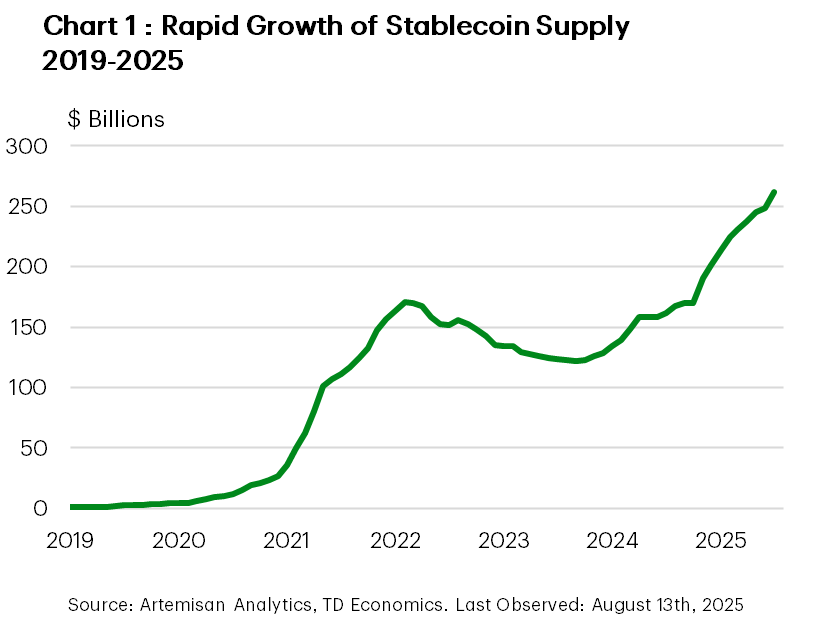
PYUSD’s rise comes as the broader stablecoin market grapples with competition and regulatory hurdles. While Tether (USDT) and Circle’s USDC remain the dominant stablecoins by market capitalization—holding over 90% of the $140 billion stablecoin market—PYUSD’s integration with PayPal’s 430 million users gives it a built-in advantage for consumer adoption.

Market Cap Comparison (June 2024)
| Stablecoin | Market Cap (USD) | Daily Volume (24h) | Key Differentiator |
|---|---|---|---|
| USDT (Tether) | $85 billion | $40 billion | Largest by volume, but faces reserve transparency concerns |
| USDC (Circle) | $30 billion | $15 billion | Regulated by SEC, but slower adoption outside DeFi |
| PYUSD (PayPal) | $3.2 billion | $70 million | Backed by PayPal’s payment network; focus on remittances and B2B |
Source: CoinMarketCap (June 20, 2024)
PYUSD’s growth is also being fueled by partnerships with non-crypto businesses. In the EU, PayPal has onboarded over 500 merchants, including small retailers and cross-border e-commerce platforms, to accept PYUSD alongside traditional payment methods. In Japan, the stablecoin is being tested for salary payments by SoftBank’s subsidiary, a move that could set a precedent for corporate crypto adoption in Asia.
Regulatory Challenges: What Comes Next for PYUSD?
The EU’s MiCA framework, set to fully enforce in 2025, will impose stricter reserve requirements and reporting obligations on stablecoin issuers. PayPal has already begun preparing for these changes, with a compliance update released in May outlining plans to enhance audit transparency. “We’re treating PYUSD as a regulated asset from day one,” said Dan Schulman, CEO of PayPal.
In Japan, the FSA is expected to tighten oversight on stablecoin issuers later this year, potentially requiring additional licensing for cross-border transactions. This could slow PYUSD’s expansion unless PayPal secures a local partnership or subsidiary—something competitors like Coinbase have already done. “The regulatory environment in Japan is still evolving, but PYUSD’s early success shows there’s appetite for compliant crypto solutions,” said Naoki Iwasa, a crypto analyst at Nomura Research.
What This Means for Consumers and Businesses
For consumers, PYUSD’s expansion could mean faster, cheaper cross-border transfers—especially for remittances. In Japan, where the average remittance fee is 8.5% for amounts under $500, PYUSD’s 0.5% fee structure could save senders hundreds annually. “This is a game-changer for families supporting relatives abroad,” said Yuki Tanaka, a remittance consultant in Tokyo.
Businesses, particularly small merchants in the EU, stand to benefit from reduced payment processing costs. PYUSD’s integration with PayPal’s existing infrastructure means merchants can accept it without additional hardware or software, a major advantage over Bitcoin or Ethereum. However, volatility—even if minimal—remains a concern. “We’re advising clients to treat PYUSD like a foreign currency, not a speculative asset,” said Claire Thompson, a partner at Deloitte’s fintech practice.
Looking Ahead: PYUSD’s Path to Global Expansion
PayPal has signaled ambitions to expand PYUSD beyond the EU and Japan, with internal discussions ongoing about potential launches in Latin America—a region where remittances exceed $100 billion annually—and Southeast Asia, where crypto adoption is growing fastest. The company is also exploring partnerships with central banks to integrate PYUSD into digital currency pilots, though no official announcements have been made.

The next major milestone for PYUSD will be its full compliance with MiCA in early 2025, a deadline PayPal is treating as critical. “Our focus is on building trust through transparency,” said Schulman in a recent interview. “If we can demonstrate that PYUSD is as safe as a traditional payment method, we’ll see even wider adoption.”
For now, PYUSD remains a niche player in the stablecoin market, but its strategic integration with PayPal’s ecosystem—and its regulatory compliance—positions it as a serious contender in the race to dominate digital payments. As the crypto winter fades and institutional adoption grows, PYUSD’s ability to bridge the gap between traditional finance and blockchain will determine whether it becomes a mainstream success or a footnote in crypto history.
Key Takeaways
- PYUSD’s growth: Over $70 million in daily transactions across the EU and Japan, with 500+ merchants accepting it.
- Regulatory edge: Fully collateralized by U.S. Treasuries, compliant with EU’s MiCA and Japan’s FSA rules.
- Remittance impact: Could cut cross-border fees by up to 90% for small transfers in Asia.
- Competitive threat: Challenges USDT and USDC by leveraging PayPal’s 430M-user network.
- Next steps: Full MiCA compliance in 2025; potential expansion to Latin America and Southeast Asia.
What are your thoughts on PYUSD’s expansion? Will it reshape how you send money internationally? Share your experiences in the comments below.
Related reading