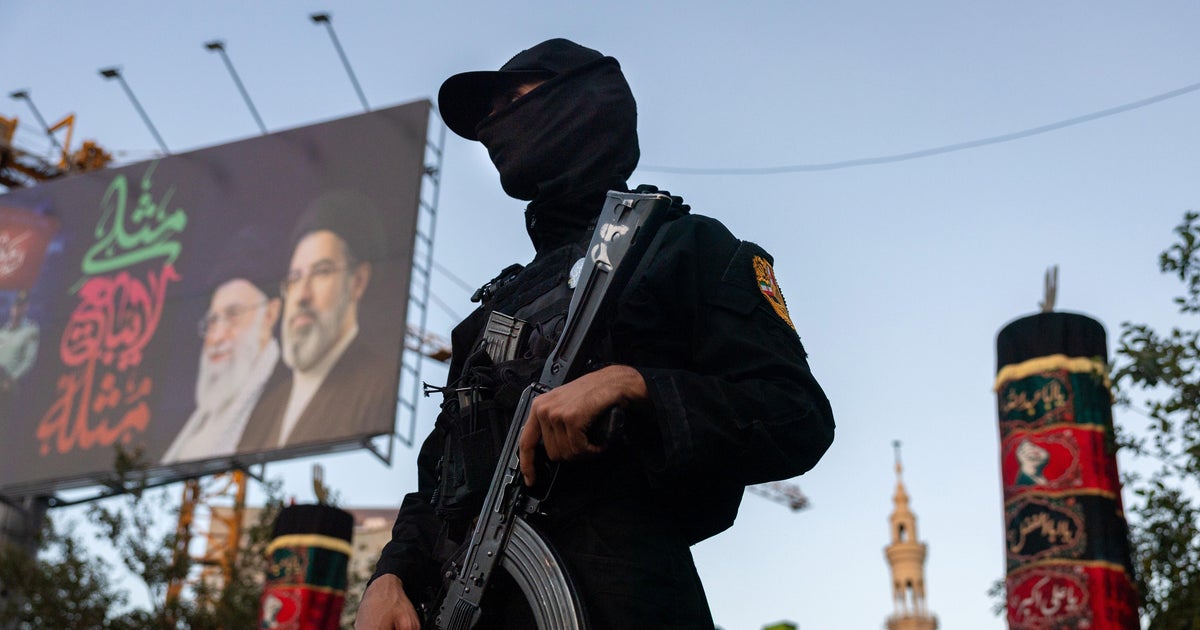
Tehran began a dayslong funeral procession for Supreme Leader Ayatollah Ali Khamenei on Friday, an event that has effectively halted ongoing regional diplomatic efforts and peace negotiations. The flag-draped casket of the long-serving leader was placed on public display in the capital, where millions of mourners are expected to gather to pay their respects following his death earlier this week, according to reports from Reuters.
The transition of power and the period of national mourning have created a vacuum in Iran’s foreign policy engagements. International observers note that the pause in diplomatic activity is standard during such significant shifts in the Iranian state structure. With the country focused on the logistical and security demands of a multi-day funeral, officials have signaled that non-essential international meetings remain suspended, as reported by the Associated Press.
The impact of leadership transition on regional talks
The death of Ayatollah Ali Khamenei represents the most significant change in Iranian leadership since 1989. As the state observes a period of official mourning, the immediate focus of the government remains on the funeral proceedings and the internal process for selecting a successor through the Assembly of Experts. Geopolitical analysts suggest that this internal concentration inherently slows external negotiations, as the Iranian diplomatic corps awaits clearer directives from the new leadership, according to analysis from the Financial Times.

For nations currently engaged in talks with Tehran—ranging from nuclear non-proliferation discussions to regional security de-escalation efforts—the delay introduces a period of uncertainty. While Iranian state media has emphasized that the fundamental pillars of the country’s foreign policy remain unchanged, the lack of a permanent Supreme Leader means that high-level decision-making is currently decentralized. This temporary paralysis affects ongoing back-channel communications that had been aimed at reducing tensions across the Middle East.
Logistics of the dayslong funeral procession
Authorities in Tehran have initiated a complex security and logistical plan to manage the millions of people expected to participate in the funeral ceremonies. The body of the late Supreme Leader was moved to a central location in Tehran on Friday, where state-organized processions are scheduled to continue for several days before a final burial. The scale of the event requires the mobilization of significant police and security resources, which has further diverted the attention of state officials away from international portfolios.
Public transport and major thoroughfares in the capital have been significantly altered to accommodate the crowds. The government has declared a period of public holiday to facilitate attendance, effectively slowing the pace of administrative and diplomatic work across the country. According to the BBC, these public displays are central to the state’s efforts to demonstrate continuity and internal stability during a period of transition.
What happens next in Iranian foreign policy
The next major checkpoint for international stakeholders is the formal appointment of a successor by the Assembly of Experts. While the constitution provides a framework for this transition, the timeline for the final decision remains fluid. Once the new Supreme Leader is seated, observers expect a period of “policy calibration,” where the new administration will assess its standing in ongoing regional peace talks, as noted by the New York Times.

Until that appointment is solidified, the suspension of active diplomacy is likely to persist. Stakeholders are currently monitoring state announcements for any indication of when technical-level talks might resume. The international community remains in a wait-and-see posture, with many governments issuing statements of condolence while simultaneously preparing for the potential shift in diplomatic tone that may follow the inauguration of a new leader.
Readers interested in further updates on the transition process can follow official releases from the Iranian government and monitor international news wires for reports on the resumption of diplomatic schedules. We encourage our readers to share their insights on these developments in the comments section below.