
The entertainment industry is facing a significant internal revolt as a proposed merger between two of the world’s most powerful media entities sparks widespread alarm among the creative community. A massive wave of Paramount-Warner merger opposition has emerged, with thousands of the industry’s most influential figures declaring their “unequivocal opposition” to the deal.
The controversy centers on a potential union between Paramount Skydance and Warner Bros Discovery. Even as corporate executives often view such mergers as strategic consolidations to ensure survival in a volatile streaming market, the artists who fuel these studios observe a different reality: a future with fewer jobs, diminished creative freedom, and a narrowed landscape for original storytelling.
The scale of the backlash became clear this week when a coordinated effort resulted in an open letter signed by a vast array of Hollywood professionals. According to reports, more than 2,000 actors, writers, and directors have set their names to the document, warning that the consolidation of these two powerhouses would have a chilling effect on the global production ecosystem via NPR.
The Creative Backlash: Why Hollywood is Fighting Back
The opposition is not merely a reaction to corporate change but a targeted critique of how media consolidation impacts the “boots on the ground” in film and television production. The signers of the open letter argue that when two massive studios merge, the resulting entity often seeks “synergies”—a corporate term that frequently translates to redundant roles being eliminated and overlapping projects being cancelled.
The letter explicitly warns that the merger will lead to “fewer opportunities for creators, fewer jobs across the production ecosystem, higher costs, and less choice for audiences in the United States and around the world” via NPR. For the creative workforce, this represents a systemic threat to the diversity of voices and the availability of work.
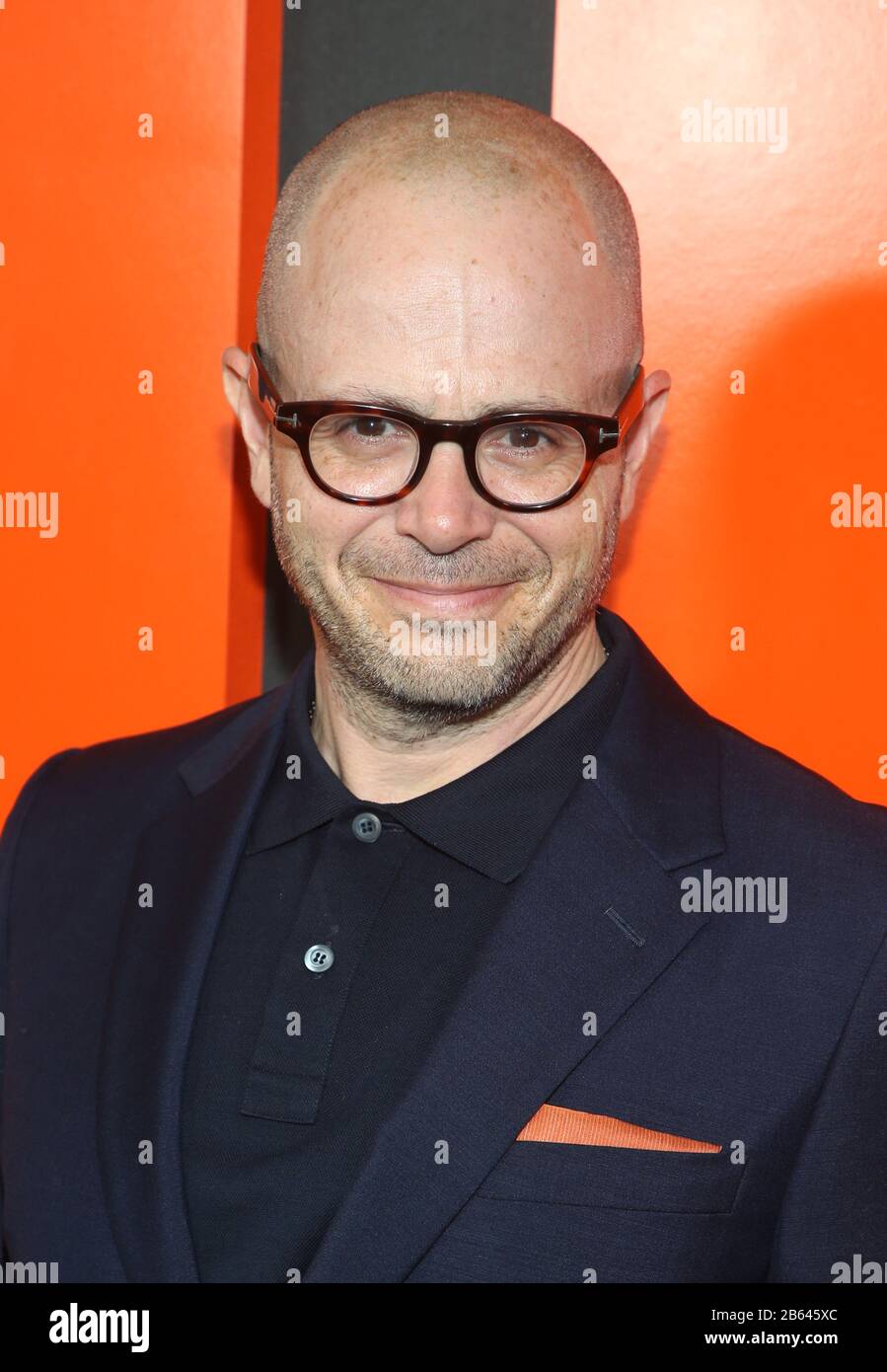
Damon Lindelof, the acclaimed creator of “The Leftovers” and “Watchmen” and co-creator of “Lost,” is among the prominent industry figures who signed the letter. Lindelof’s participation underscores the depth of the concern, as it includes not just emerging talent but established showrunners who have a vested interest in the health of the production pipeline.
Analyzing the Impact on the Production Ecosystem
To understand why this merger is viewed as a threat, one must appear at the mechanics of studio competition. In a competitive market, a creator with a bold or unconventional idea can pitch it to multiple studios. If one studio passes, another may see the value in the project. However, as the number of major players shrinks, the “green-light” power becomes concentrated in fewer hands.
The concerns raised by the Hollywood professionals include several key systemic risks:
- Job Displacement: Mergers typically result in the consolidation of administrative, marketing, and production departments to reduce overhead.
- Reduced Project Volume: A merged entity is less likely to fund two competing projects in the same genre, leading to fewer commissions for writers, and directors.
- Increased Costs: With less competition, the cost of production services and distribution may rise, potentially squeezing independent producers.
- Audience Limitation: A consolidated library controlled by a single entity can lead to less variety in the content available to global audiences.
The opposition is framed as a fight for the survival of the “creative middle class”—the writers and crew members who may not be household names but are essential to the functioning of the industry.
The Scale of Opposition and Corporate Stakes
The sheer number of signatories provides a rare glimpse into the unified anxiety of the Hollywood workforce. While some reports initially cited more than a thousand professionals voicing their opposition via AP News, more recent figures indicate the number has climbed to over 2,000 via NPR.
This level of organized resistance is significant because it puts public pressure on regulators who must approve such mergers. Antitrust authorities often consider the impact on competition and employment when deciding whether to allow two major companies to combine. The “unequivocal opposition” from the industry’s primary talent pool provides a narrative of harm that regulators cannot easily ignore.
| Stakeholder | Primary Concern | Expected Outcome |
|---|---|---|
| Creators/Writers | Concentration of power | Fewer “green-lights” for recent projects |
| Production Crew | Corporate “synergies” | Job losses across the ecosystem |
| Global Audiences | Reduced competition | Less choice in content and higher costs |
Key Takeaways for the Industry
- Massive Resistance: Over 2,000 industry professionals have signed a letter opposing the Paramount Skydance and Warner Bros Discovery merger.
- Economic Fear: The primary drivers of the opposition are the fear of job losses and a reduction in opportunities for creators.
- Creative Risk: There is a strong belief that consolidation will lead to less diverse content and fewer choices for viewers.
- High-Profile Support: Established creators like Damon Lindelof are leading the charge against the deal.
As the corporate entities move forward with their plans, the tension between shareholder value and creative sustainability remains the central conflict. For the artists, the merger is not a strategic evolution but a contraction of the space available for art to exist.
The industry now awaits official responses from the leadership of Paramount Skydance and Warner Bros Discovery, as well as any potential interventions from regulatory bodies overseeing the deal. Further updates on the merger’s legal status and corporate filings are expected as the process moves toward final review.
Do you believe media consolidation is killing creativity in Hollywood, or is it a necessary step for survival in the streaming era? Share your thoughts in the comments below.
Keep reading