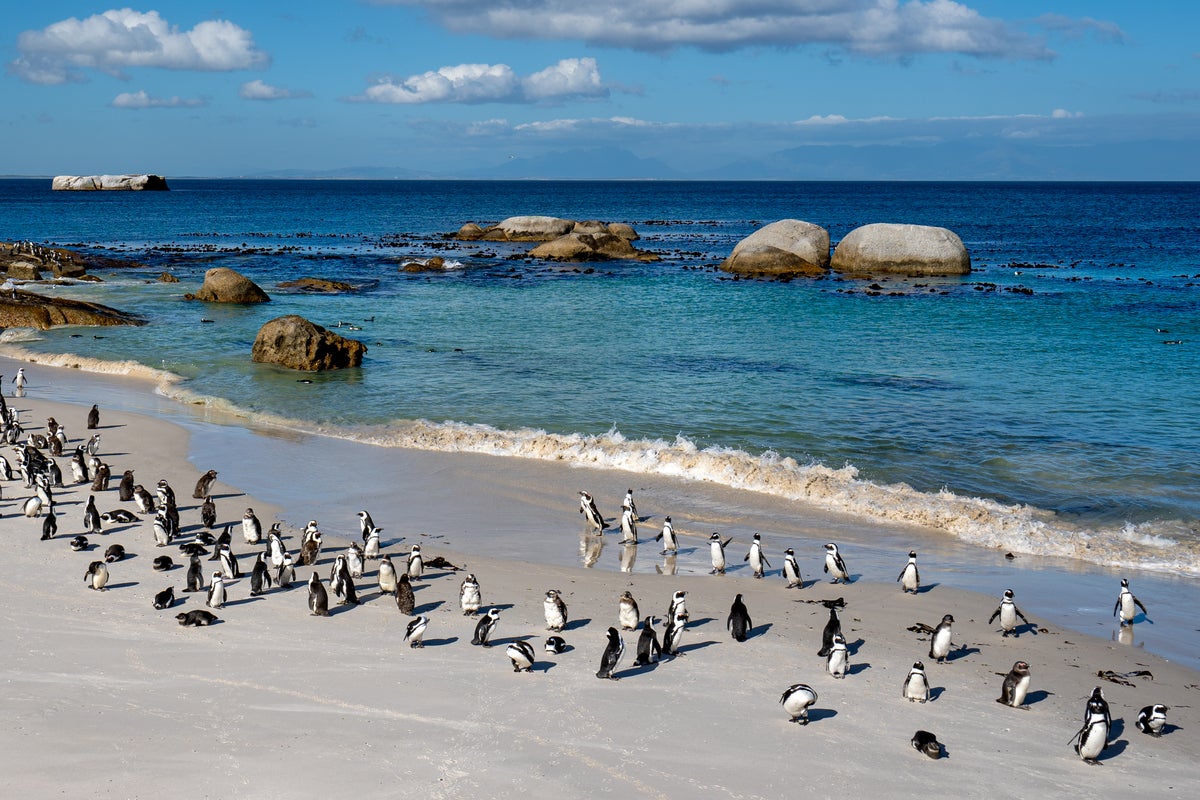
African Penguin Crisis: A Race Against Extinction
African penguins, the only penguin species native to Africa, are facing a dire situation. Their populations have plummeted by a staggering 70% in the last three decades, pushing them to the brink of extinction. Understanding the challenges these remarkable birds face – and the innovative efforts to save them – is crucial.
A Species in Rapid Decline
currently classified as Critically endangered,African penguins are on a trajectory towards vanishing from the wild within the next decade. This isn’t a distant threat; its a crisis unfolding now, driven by a complex interplay of climate change and dwindling food resources.
The Biology of a Vulnerable Species
To truly grasp the severity of the situation,it’s meaningful to understand the penguin’s natural cycle. Before their annual moult – a roughly 21-day period where they remain landbound and unable to feed – penguins must build up significant fat reserves.
As Dr. Alistair Sherley explains, “They are evolved to build up fat and then to fast whilst their body metabolises those reserves, and the protein in their muscles, to get them through moult.” After moulting, they need to quickly regain their condition.If food is scarce before or after this critical period, they simply lack the reserves to survive.
Interestingly, researchers rarely find large numbers of dead penguins washed ashore. This suggests most fatalities occur at sea, unseen and unreported.
The Sardine Collapse: A Primary Driver of Decline
The primary culprit behind this crisis is the dramatic collapse of sardine populations off the coast of South Africa. A recent study, published in Ostrich: Journal of African ornithology, revealed a devastating loss.
Between 2004 and 2011, approximately 62,000 breeding penguins from Dassen and Robben Islands perished due to the sardine resource falling below 25% of its historical maximum. this collapse isn’t solely a natural phenomenon.
Several factors contribute to the problem:
* High Fishing Levels: Commercial fishing exerts significant pressure on sardine stocks.
* Changing Ocean Conditions: Rising water temperatures and altered salinity levels are hindering successful sardine spawning.
Innovative Conservation Efforts
Despite the grim outlook, dedicated researchers are fighting to save African penguins. One especially innovative approach involves penguin decoys.
These aren’t just any replicas; they are skillfully crafted concrete penguins paired with recordings of penguin calls. The goal? To lure penguins into safer breeding grounds along the South African coastline. These areas are chosen for their:
* Food Richness: Ensuring penguins have access to vital sustenance.
* Protection from Disturbance: Minimizing human impact on breeding colonies.
* reduced Predator Risk: Creating a safer environment for raising chicks.
The Path Forward: Restoring the Ecosystem
While decoys offer a temporary solution,the long-term survival of African penguins hinges on restoring sardine biomass in key foraging areas.
As Dr. Sherley emphasizes, “Restoring sardine biomass in key foraging areas woudl seem to be essential for their long-term survival.” This requires a multifaceted approach, including lasting fishing practices and addressing the underlying causes of climate change.
What You Can Do
The fate of the African penguin isn’t sealed. By supporting organizations dedicated to marine conservation and advocating for sustainable practices,you can play a role in securing a future for this iconic species. The time to act is now, before these incredible birds disappear forever.
Resources:
Related reading