Pensioner’s €300 Film Appearance Nearly Costs Him €34,000 in Pension Benefits
Modena, Italy – A retired man from Modena, Italy, experienced a bureaucratic nightmare after a brief appearance as an extra in Michael Mann’s upcoming film, Ferrari, led to a demand for the repayment of over €34,000 in pension benefits. The case, which highlights the complexities of Italy’s pension system and the definition of “work” for retirees, has now been resolved in the pensioner’s favor following a ruling by the Court of Appeal of Bologna. The incident underscores the potential pitfalls faced by those receiving early pensions under schemes like “Quota 100,” and the scrutiny applied to any additional income earned.
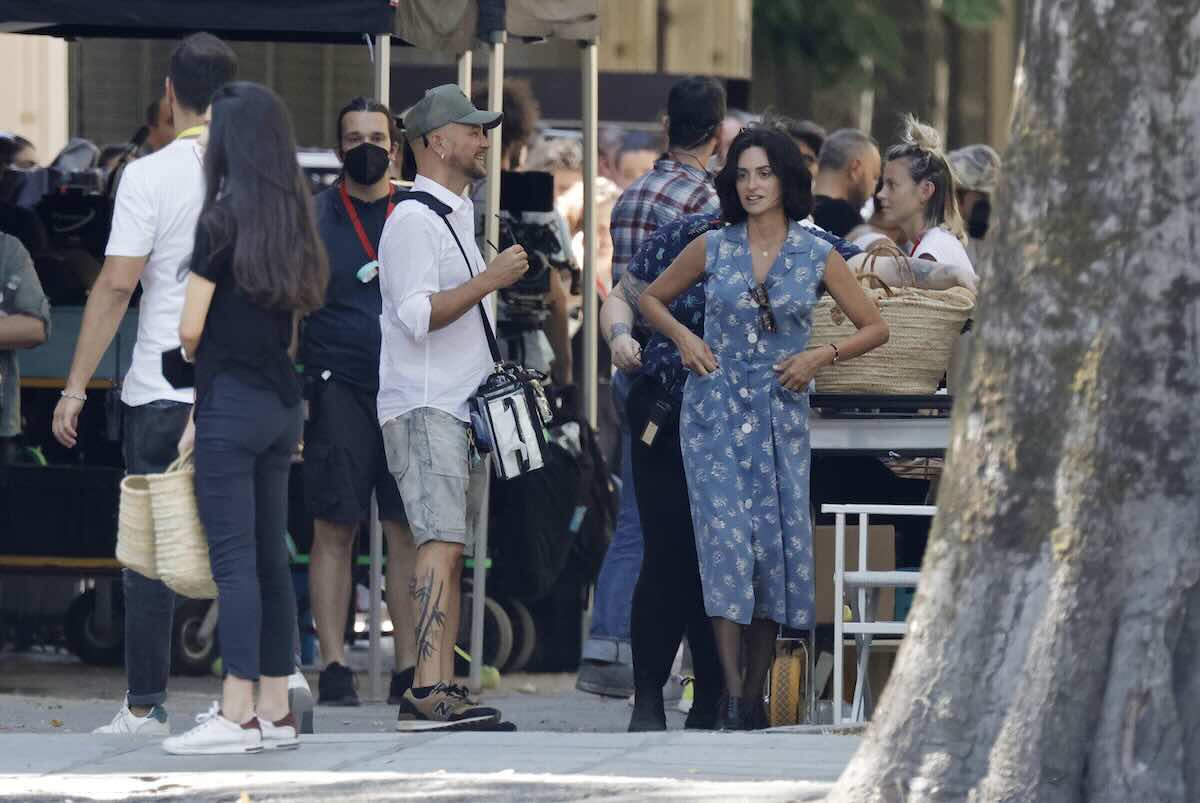
The pensioner, who retired in 2020 at the age of 62 after contributing for 38 years under the “Quota 100” scheme, fulfilled a long-held dream in 2022 by participating as a background actor in the highly anticipated Ferrari film, starring Adam Driver and Penelope Cruz. His involvement consisted of two days of filming, resulting in a modest compensation of €300 – essentially a reimbursement for expenses. The film, directed by Michael Mann, chronicles the life of Enzo Ferrari and is expected to be released later this year. Corriere di Bologna reports that the experience brought joy to the pensioner and his family.
However, this brief foray into the world of cinema triggered a significant dispute with the Italian National Social Security Institute (INPS). At the end of 2023, INPS informed the pensioner that his entire pension for 2022 – approximately €34,000 – would be revoked. The agency argued that his work on the film constituted “dependent employment,” violating the regulations prohibiting the accumulation of income for those who retired under “Quota 100.” This scheme, introduced to allow early retirement, restricts additional earnings to prevent double-dipping into the social security system.
The INPS Claim and Initial Response
INPS’s decision hinged on the classification of the pensioner’s film work as a formal employment relationship. According to the agency, any income earned through employment is incompatible with receiving a “Quota 100” pension. The pensioner, understandably distressed by the demand for repayment, sought assistance from the INAC-Cisl trade union and initiated legal proceedings to challenge the INPS ruling. The case quickly escalated as INPS remained firm in its position, leading to a legal battle in the courts. The initial assessment by INPS failed to recognize the casual nature of the work and the minimal financial gain.
The core of the dispute revolved around the interpretation of Italian labor law and the definition of “dependent employment.” “Quota 100,” established by Decree-Law No. 26 of March 4, 2019, allowed individuals with at least 62 years of age and 38 years of contributions to retire. MSN Italy details how the pensioner’s case brought this complex regulation into sharp focus.
The Court of Appeal Ruling
The Court of Appeal of Bologna ultimately sided with the pensioner, overturning the INPS decision. The court determined that the pensioner’s involvement in the film did not constitute dependent employment. Judges found that he had not signed a standard employment contract and had merely ceded his image rights to the production company for a nominal fee, effectively a reimbursement of expenses. This distinction was crucial in the court’s reasoning.
The ruling clarified that simply being present on a film set, awaiting direction, and without specific tasks or complex responsibilities, falls under the category of “occasional autonomous work.” This type of income is permissible for those receiving “Quota 100” pensions, provided it does not exceed an annual limit of €5,000. The pensioner’s €300 earnings were well below this threshold. The court’s decision effectively recognized the difference between a professional acting engagement and a casual appearance as an extra.
Defining Occasional Autonomous Work
The court’s judgment establishes an crucial precedent regarding the classification of work for pensioners. Occasional autonomous work, as defined by Italian law, involves sporadic and infrequent activities undertaken independently, without a hierarchical relationship with a client or employer. This type of work is typically characterized by a lack of fixed hours, minimal direction, and a focus on providing a service rather than performing a specific job function. The ruling emphasizes that the mere presence on a film set, without active participation in the production process, does not equate to employment.
This case highlights the challenges faced by INPS in interpreting and applying complex pension regulations. The agency’s initial assessment failed to adequately consider the nature of the pensioner’s work and the limited financial benefit he received. The court’s decision serves as a reminder that INPS must exercise caution when seeking to reclaim pension benefits and must carefully evaluate the specific circumstances of each case. The ruling also provides clarity for other pensioners who may wish to supplement their income through occasional work.
Key Takeaways
- Pensioner Wins Appeal: A retired man in Modena successfully challenged INPS’s attempt to reclaim €34,000 in pension benefits after earning €300 as a film extra.
- Occasional Work Permitted: The Court of Appeal ruled that the pensioner’s work qualified as “occasional autonomous work,” which is allowed under “Quota 100” regulations, provided income remains below €5,000 annually.
- INPS Misclassification: INPS initially classified the work as “dependent employment,” triggering the pension repayment demand, but the court overturned this assessment.
- Precedent Set: The ruling establishes a precedent for classifying similar work by pensioners, clarifying the boundaries between employment and occasional income.
Thanks to the court’s decision, the pensioner can now enjoy his retirement and the fleeting moment of on-screen glory without the looming threat of financial repercussions. This case serves as a cautionary tale for both pensioners and the agencies administering social security benefits, emphasizing the importance of clear regulations and careful consideration of individual circumstances. The pensioner is now able to enjoy his retirement and the little, but memorable, role he played in the upcoming Ferrari film.
As of today, March 13, 2026, INPS has not issued a public statement regarding the court’s decision or indicated any plans to appeal. Readers are encouraged to share their thoughts on this case and the challenges faced by pensioners in the comments section below.
Keep reading