The Pentagon reduced its official online casualty toll for the Iran war from 18 to 14, removing four service members killed over the weekend. Military officials cited a ceasefire policy for the exclusion, while a Pentagon spokesman attributed the drop to temporary data disruptions.
Operation Epic Fury Casualty Analysis System Revision
The Pentagon’s Defense Casualty Analysis System website lowered its tally for Operation Epic Fury—the U.S.-Israeli military campaign launched on February 28—from 18 deaths down to 14. The adjustment followed a weekend of renewed hostilities that claimed the lives of four American soldiers assigned to air defense units in Jordan and Iraq.
Disputed Explanations for the Casualty Total Revision
Three military officials told The New York Times that the Trump administration decided to remove the four service members from the official list because their deaths occurred after President Donald Trump declared a ceasefire in April. However, Pentagon spokesman Sean Parnell disputed that account, blaming the discrepancy on temporary data disruptions.
“The Department of War is aware of temporary data disruptions on the Defense Casualty Analysis System (DCAS) website. These site anomalies are currently being resolved in coordination with the Military Services. The Department attempted to explain the anomalies to the New York Times ahead of publication, but given their lack of knowledge in this area, they proceeded to write a non-story that will be fixed imminently. We remain committed to ensuring the utmost accuracy of all casualty reporting,”
Sean Parnell, Pentagon Spokesman
President Donald Trump References Dover Air Force Base
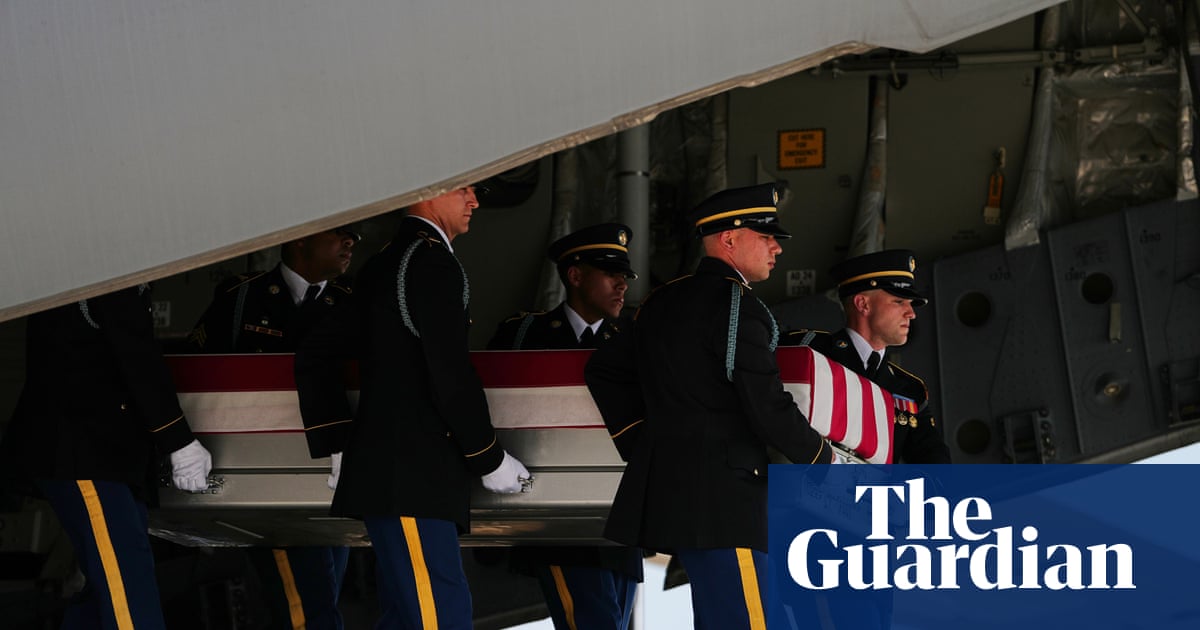
Despite the website revision, President Trump continued to cite the higher total of 18 deaths during public remarks. While comparing the Iran war’s casualty rate to past conflicts, Trump referenced his visit to Delaware to honor soldiers killed in the Iran war, and Dover Air Force Base, where he observed the dignified transfer of the fallen soldiers.
Air Defense Units Bear the Risk on Vulnerable Bases
Army 1st Lt. Tyler James Feehan and Sgt. Angel S. Rampersad Killed in Jordan and Iraq
Unlike troops in previous ground conflicts in Iraq and Afghanistan, the service members killed in the recent escalation never set foot in Iran. Instead, they operated short-range air defense systems designed to protect bases hundreds of miles from the front lines against incoming ballistic missile and drone attacks. The latest combat deaths show risk has shifted to troops far from Iran’s borders, as the war has proved deadly for those far from the front lines.

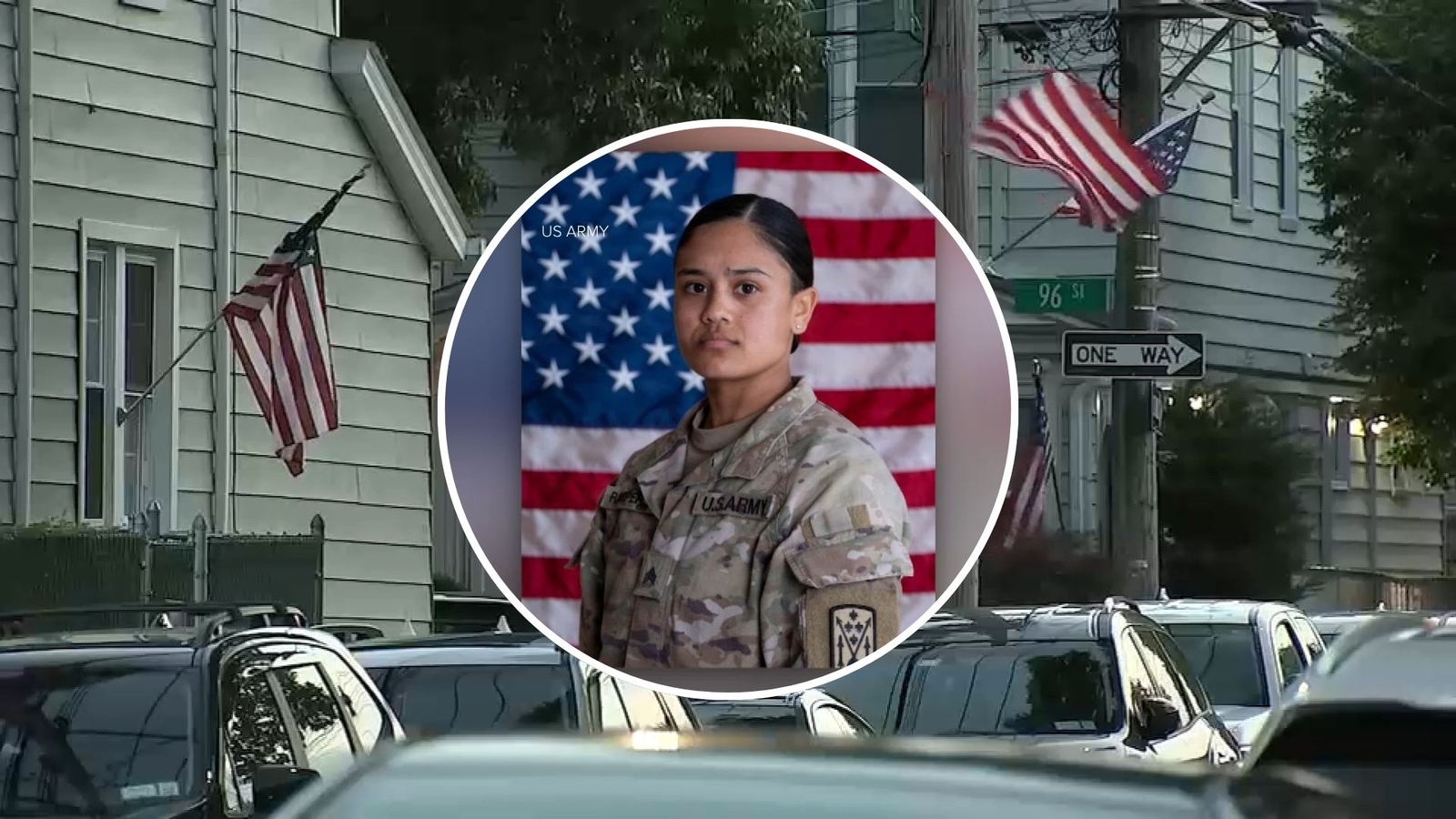
The four soldiers who died in the recent strikes include Army 1st Lt. Tyler James Feehan, 25, of Ewa Beach, Hawaii; Pvt. Isabella Gonzales, 19, of Carrollton, Texas; and Sgt. Angel S. Rampersad, 28, of Ozone Park, New York. All three were killed during an Iranian missile attack on July 17 on Muwaffaq Salti Air Base in Jordan. A fourth soldier, Sgt. Michael Emmanuel Swinton, died while dismantling a downed Iranian one-way attack drone on Sunday at Erbil Air Base in Iraq.
Congressional Scrutiny and Information Flow After Ceasefire Collapse
The renewed fighting has intensified political friction in Washington. During a Senate hearing, War Secretary Pete Hegseth defended the administration’s $67 billion supplemental budget request while clashing with lawmakers. In the 11 days since the United States resumed its air strikes against Iran, neither President Trump nor any other senior administration official has publicly addressed the campaign, as U.S. forces began by striking Iranian military facilities but later expanded to attacking civilian infrastructure.