The Pentagon has formally requested approximately $54 billion in funding for autonomous warfare systems, including drones and artificial intelligence-powered combat technologies, according to multiple verified reports from major news outlets. This significant budget allocation represents a major strategic shift toward integrating advanced automation into U.S. Military operations, with officials emphasizing the need to maintain technological superiority in emerging forms of warfare.
The funding proposal, which would cover research, development, procurement and deployment of autonomous systems over the coming fiscal years, has drawn attention from defense analysts and policymakers due to its scale relative to the defense budgets of many allied nations. Reports indicate the investment aims to accelerate the fielding of AI-driven decision-making tools, swarming drone capabilities, and autonomous logistics platforms designed to reduce risk to human personnel while increasing operational tempo.
Defense officials have framed the initiative as essential for countering near-peer competitors who are also investing heavily in autonomous technologies. However, the plan has sparked debate within military and academic circles about the ethical implications of lethal autonomous weapons, the adequacy of current training doctrines for human-machine teaming, and the oversight mechanisms required to ensure compliance with international humanitarian law.
Scope and Components of the $54B Autonomous Warfare Initiative
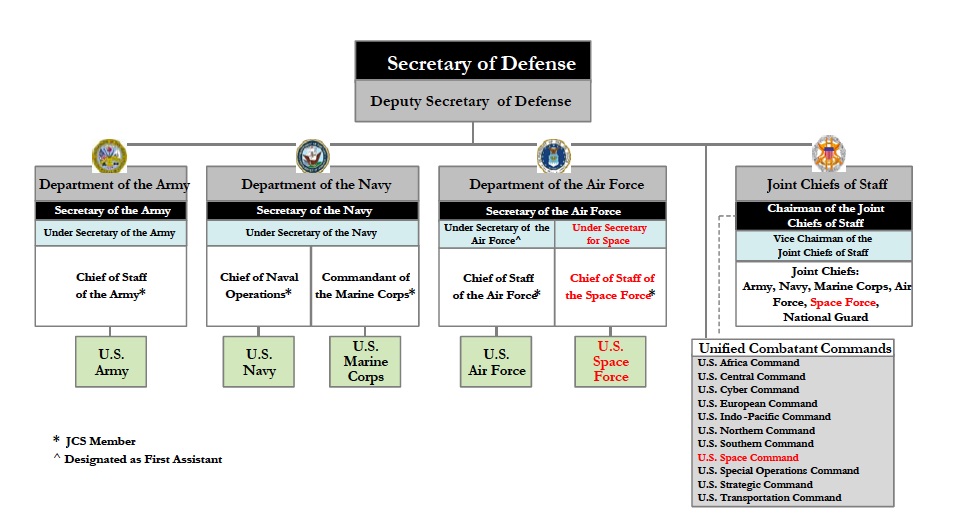
The requested $54 billion encompasses a broad portfolio of systems under development across the Army, Navy, Air Force, and Marine Corps, with particular emphasis on integrating AI into existing platforms and developing next-generation unmanned vehicles. Key areas of focus include loyal wingman drones designed to operate alongside crewed fighter jets, autonomous resupply vehicles for frontline logistics, and AI-assisted targeting systems intended to accelerate the sensor-to-shooter cycle.

According to verified reporting from defense-focused journalists, the funding would support prototyping and testing of systems such as the Air Force’s Collaborative Combat Aircraft (CCA) program, the Navy’s Ghost Fleet Overlord initiative for autonomous surface vessels, and the Army’s Future Tactical Unmanned Aircraft System (FTUAS). These programs aim to field attritable, cost-effective unmanned systems capable of operating in contested environments where traditional platforms face high risk.
Investments in AI combat systems would also extend to backend infrastructure, including secure machine learning training environments, battlefield data fusion networks, and AI-enabled command and control tools designed to process vast amounts of intelligence, surveillance, and reconnaissance (ISR) data in real time. Officials have stated that these capabilities are critical for achieving information dominance in future multi-domain operations.
Strategic Rationale and Military Justification
Pentagon planners argue that the shift toward autonomous systems is driven by the accelerating pace of technological change in warfare, particularly the proliferation of commercial drone technology and advances in machine learning that are lowering barriers to entry for state and non-state actors alike. The 2022 National Defense Strategy identifies emerging technologies like AI and autonomy as critical to maintaining military advantage, noting that competitors are rapidly closing the gap in key areas.
Defense officials have cited lessons from recent conflicts, including the extensive leverage of drones in Ukraine and Nagorno-Karabakh, as evidence of the transformative impact of unmanned systems on modern battlefields. They contend that investing now in mature, reliable autonomous capabilities will prevent a future technological surprise and ensure the U.S. Military can operate effectively in environments where adversaries employ similar tools.
proponents highlight potential benefits such as reduced personnel requirements for high-risk missions, increased persistence in surveillance roles, and the ability to mass effects through coordinated swarm behavior. The Pentagon has emphasized that any deployment of autonomous weapons would remain under human oversight, with final authority for lethal decisions retained by trained operators—a principle known as “human-in-the-loop” or “human-on-the-loop” depending on the system and context.
Concerns Over Doctrine, Training, and Oversight
Despite the strategic rationale, the proposal has raised significant concerns among military ethicists, arms control experts, and some service members regarding whether current doctrine, training regimens, and oversight structures are adequate for the responsible integration of increasingly autonomous systems. Critics warn that without clear rules of engagement tailored to human-machine teaming, there is a risk of unintended escalation or violations of the principles of distinction and proportionality under international humanitarian law.
Questions have been raised about the adequacy of existing legal frameworks to govern autonomous weapons, particularly as systems gain greater ability to select and engage targets with minimal human intervention. While the U.S. Has maintained that it will not develop fully autonomous weapons that select and engage targets without human oversight, experts note that the line between supervised autonomy and meaningful human control can become blurred in high-tempo combat scenarios.
Training challenges also loom large, as soldiers, sailors, airmen, and Marines will require new skills to effectively supervise, interact with, and intervene when necessary in autonomous systems. The military services are reportedly developing new curricula and simulation exercises to prepare personnel for these roles, but officials acknowledge that widespread cultural and doctrinal adaptation will take time and sustained investment.
Congressional Review and Next Steps
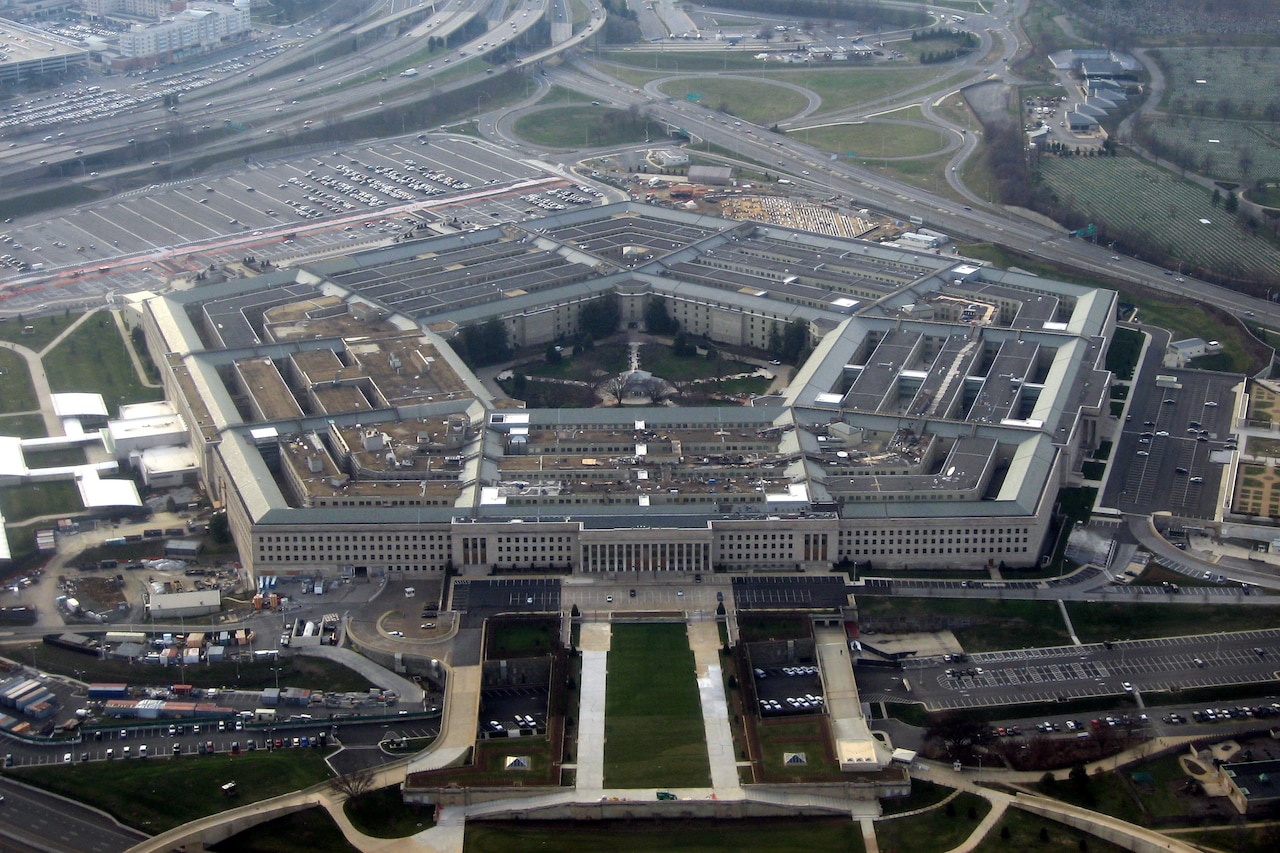
The $54 billion funding request is currently under review by congressional defense committees as part of the annual budget process. Lawmakers have signaled interest in examining not only the cost-effectiveness of proposed programs but also the ethical, legal, and operational implications of fielding autonomous combat systems at scale. Hearings are expected in the coming months where defense officials will be asked to justify the investment and detail safeguards being implemented.
As of the latest verified reports, no final authorization has been granted, and the amount may be adjusted during markup sessions in the House and Senate Appropriations Committees. The outcome will depend on broader negotiations over the national defense budget, competing priorities within the Pentagon’s modernization agenda, and the evolving threat assessment presented by intelligence agencies.
For readers seeking to follow developments, official updates on the defense budget request can be tracked through the U.S. Department of Defense’s public website, congressional committee hearing schedules, and reports from nonpartisan oversight bodies such as the Government Accountability Office (GAO) and the Congressional Budget Office (CBO).
We welcome your thoughts on this critical defense initiative. Share your perspective in the comments below, and facilitate spread informed discussion by sharing this article with others interested in the future of warfare and technology.
Worth a look