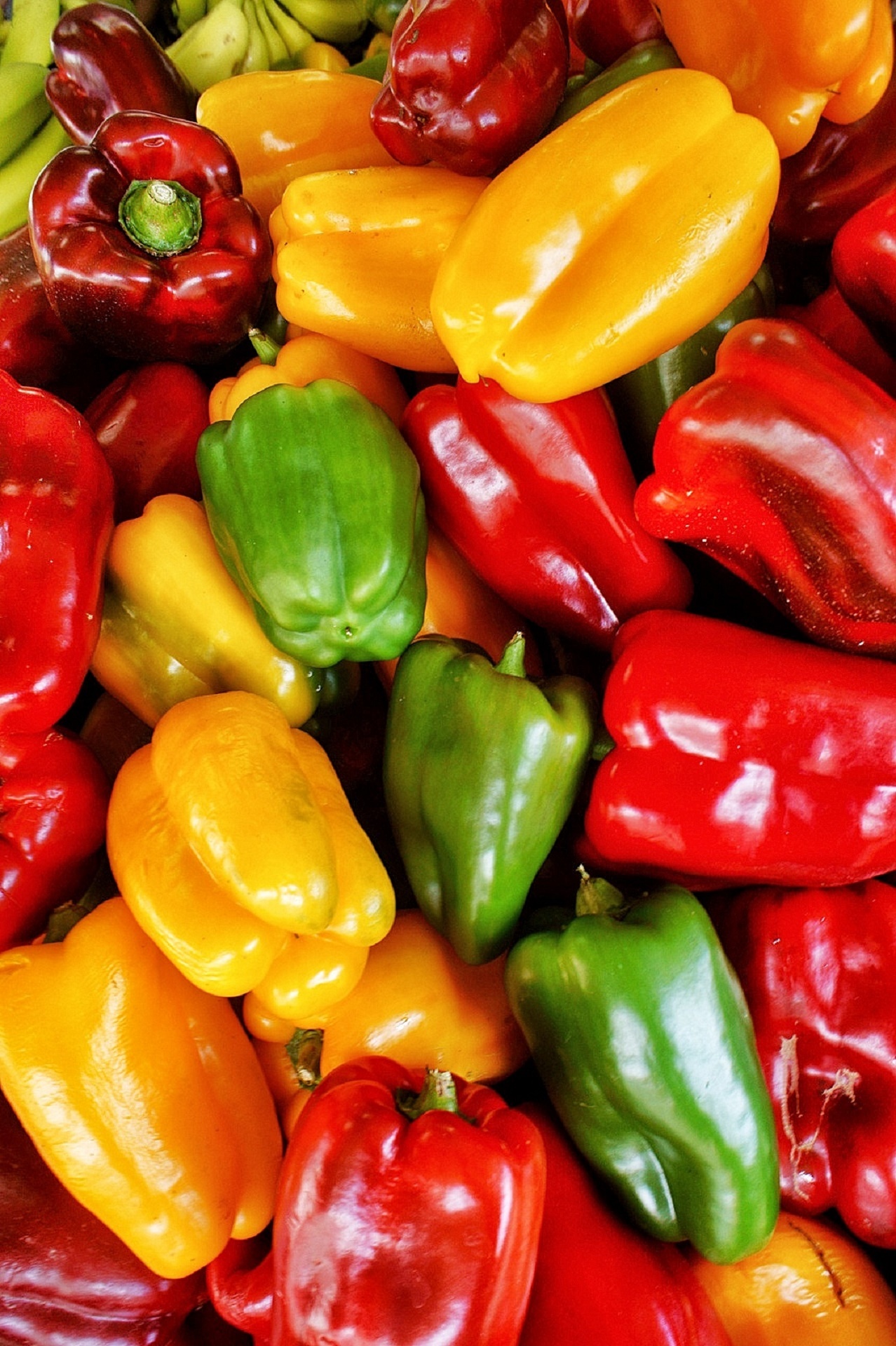
Red bell peppers frequently surpass citrus fruits in vitamin C concentration, offering nearly triple the amount of ascorbic acid per 100 grams of edible portion. While lemons are traditionally viewed as the primary dietary source of this essential nutrient, nutritional data from public health agencies confirms that various vegetable crops often provide a higher density of vitamins per serving.
As a physician, I often observe that patients prioritize citrus fruits during the cold and flu season, assuming they are the most efficient way to bolster vitamin C intake. However, looking at the nutrient profiles provided by the U.S. Department of Agriculture (USDA) FoodData Central, it becomes clear that many common garden vegetables are superior sources of this water-soluble antioxidant.
Comparing Nutrient Density: Bell Peppers Versus Lemons
The concentration of vitamin C in produce is measured in milligrams per 100 grams of raw, edible material. According to the USDA, raw lemon juice contains approximately 38.7 milligrams of vitamin C per 100 grams. In contrast, a raw red bell pepper provides approximately 127.7 milligrams of vitamin C for the same weight, effectively making it a more potent source of the nutrient.

This difference is significant for individuals looking to meet their recommended daily allowance (RDA) without consuming excessive amounts of acidic fruit. For most adults, the RDA for vitamin C is 75 milligrams for women and 90 milligrams for men, as established by the National Institutes of Health (NIH) Office of Dietary Supplements. A single medium-sized red bell pepper can often exceed the total daily requirement for an average adult, whereas a single lemon—even when fully consumed—would fall short of that same benchmark.
The Role of Vitamin C in Human Health
Vitamin C, or L-ascorbic acid, is a vital micronutrient that the human body cannot synthesize on its own. It plays a critical role in the biosynthesis of collagen, the primary structural protein in skin, tendons, and blood vessels. It is also essential for the proper functioning of the immune system and acts as a potent antioxidant, helping to neutralize free radicals that cause cellular damage.

Because the body does not store vitamin C in significant quantities, consistent daily intake is necessary. While severe deficiency—leading to scurvy—is rare in developed nations, maintaining optimal levels is associated with better wound healing and iron absorption. The European Food Safety Authority (EFSA) provides extensive documentation on these dietary reference values, emphasizing that a diverse diet rich in fresh produce is the most effective way to maintain these levels without relying on synthetic supplementation.
Optimizing Nutrient Retention
The bioavailability of vitamin C is highly sensitive to environmental factors. It is a heat-sensitive and water-soluble vitamin, meaning that cooking methods can significantly deplete the levels found in fresh vegetables. Boiling, for instance, often results in the vitamin leaching into the cooking water, which is then discarded.
To maximize the health benefits of bell peppers, I recommend consuming them raw or lightly steamed. If you choose to cook them, quick methods like stir-frying or roasting at lower temperatures for shorter durations help preserve the nutrient content. It is also worth noting that the maturity of the pepper affects its nutritional profile; red, orange, and yellow bell peppers are typically fully ripened and contain higher concentrations of vitamin C and carotenoids compared to their less mature, green counterparts.
Practical Dietary Integration
Incorporating more vitamin-rich vegetables into a daily routine does not require drastic dietary changes. Bell peppers are versatile additions to salads, wraps, and crudité platters. Because they provide a crunch and a mild sweetness, they serve as an excellent base for snacks that are both low in calories and high in nutritional value.
For those interested in tracking their specific intake, the USDA Nutrition.gov portal offers tools to compare the micronutrient density of various fruits and vegetables. By diversifying your intake beyond traditional citrus, you can ensure a more stable and varied supply of essential vitamins throughout the year.
Ongoing research into plant-based nutrition continues to refine our understanding of how soil quality, storage, and preparation influence the final nutrient count of the produce on our plates. As new data regarding food composition becomes available from international health authorities, I will continue to provide updates on how these findings impact public health recommendations. Please feel free to share your thoughts or questions in the comments section below.