
DJI has initiated legal action against Insta360, alleging that the latter’s portable camera products infringe upon intellectual property rights related to the design and functionality of the Osmo Pocket series. This patent dispute marks an escalation in the competition between the two prominent manufacturers of consumer gimbal cameras, as both companies vie for dominance in the vlogging and mobile cinematography market.
According to reports from industry observers monitoring patent filings, the conflict centers on design similarities and proprietary stabilization technology. The dispute has moved beyond marketplace competition into the legal arena, with both parties now filing formal claims. While DJI’s initial action prompted the legal scrutiny, Insta360 has responded by filing multiple counterclaims, citing several of its own patents that it alleges DJI has violated.
The Nature of the Patent Conflict
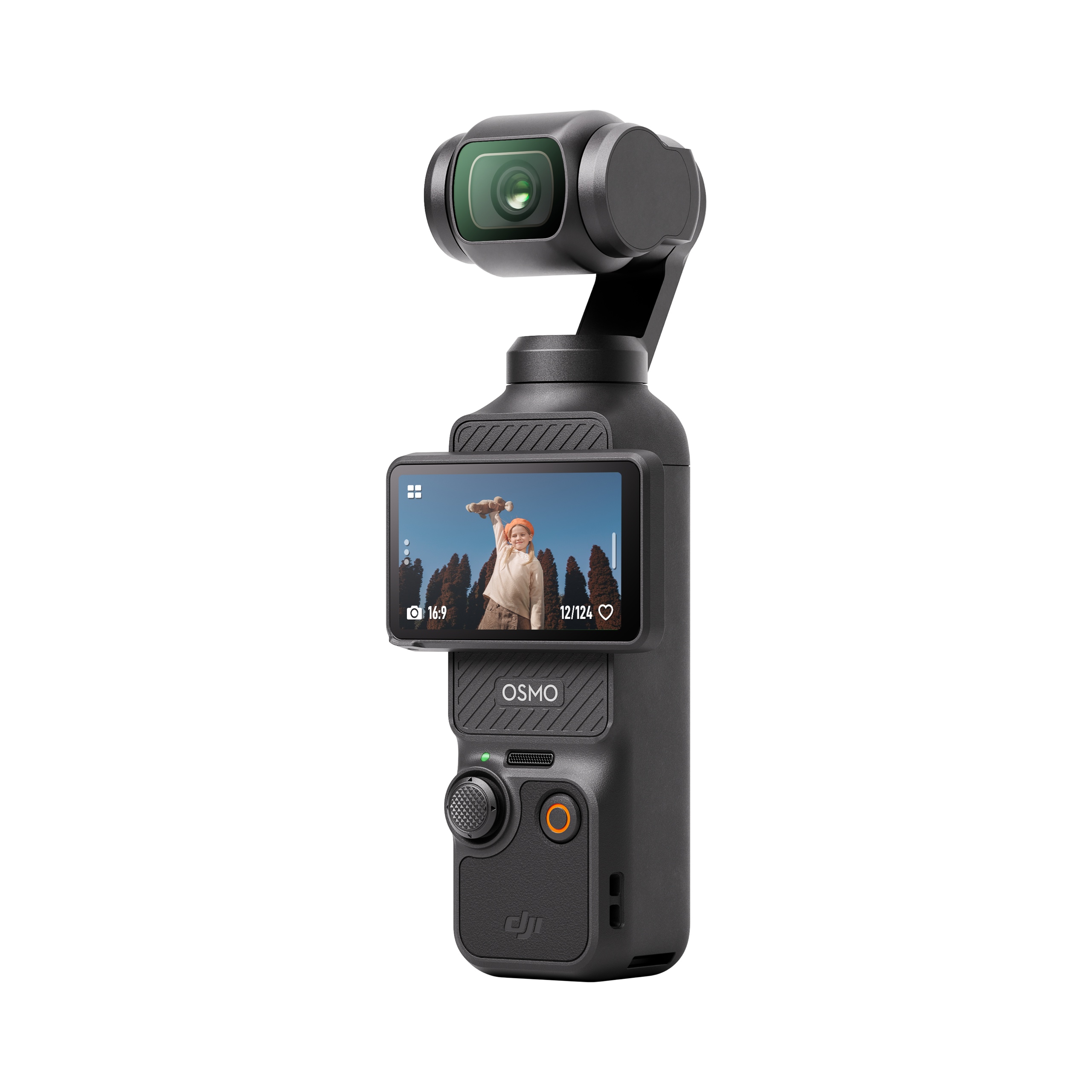
The legal friction between DJI and Insta360 primarily concerns the engineering behind compact, gimbal-stabilized cameras. DJI, headquartered in Shenzhen, China, established this category with the release of the original Osmo Pocket, which integrated a three-axis mechanical gimbal with a camera sensor into a handheld form factor. The company continues to maintain a significant market share with its current iteration, the Osmo Pocket 3.
Insta360, also based in Shenzhen, has recently expanded its product lineup with high-resolution devices capable of 8K recording and larger sensor integration. Industry analysts note that as Insta360’s hardware capabilities have converged with the feature sets offered by DJI’s flagship handheld devices, the likelihood of patent friction has increased. The current legal dispute involves multiple claims, with Insta360 specifically asserting that DJI has infringed upon at least five of its registered patents, according to filings documented by international industry trackers.
Market Context and Technological Convergence
The consumer camera market has seen a shift toward high-performance, pocketable hardware that balances mechanical stabilization with sophisticated image processing. DJI’s Osmo Pocket 3, released in late 2023, features a 1-inch CMOS sensor and advanced subject tracking, which have become industry benchmarks for creators. Insta360’s recent product announcements, including its latest high-end gimbal camera offerings, have sought to challenge these benchmarks by introducing higher resolution and sensor specifications.
From an engineering perspective, the core of the dispute involves how these cameras manage motor control for stabilization and the internal architecture that allows for such small footprints. Patents in this sector typically cover specific methods for reducing jitter in handheld video, power management for miniature motors, and the integration of touch-screen interfaces with mechanical gimbal control. Because both firms hold extensive patent portfolios in the field of robotics and imaging, these legal challenges are common, though the public nature of these recent filings indicates a significant hardening of competitive stances.
Legal Precedents and Industry Impact
Patent litigation in the consumer electronics sector is frequently used as a strategic tool to protect market share or compel licensing agreements. Historically, companies in the drone and camera space have used these legal channels to pause competitor product rollouts or to force changes in software and hardware design. For the global consumer, the immediate impact of such litigation is often minimal, though prolonged court battles can occasionally lead to import restrictions or the temporary unavailability of specific features if a court issues an injunction.
The World Intellectual Property Organization (WIPO) maintains that patent protection is essential for encouraging innovation in high-tech sectors, yet critics often argue that aggressive litigation can stifle smaller competitors. In this instance, both DJI and Insta360 are established entities with significant legal resources, suggesting that this dispute will likely be resolved through either a settlement involving cross-licensing or a long-term court proceeding that examines the validity of specific technical claims.
What Happens Next
As of the most recent filings, neither company has publicly announced a resolution to the litigation. The case remains in the preliminary stages, where discovery and the evaluation of the specific patent claims will dictate the next steps. Observers are awaiting further court updates regarding the validity of the five patents cited in Insta360’s counterclaims and any potential injunction requests filed by DJI.
For consumers and industry stakeholders, the primary indicator of the dispute’s progress will be any official statements regarding product availability or changes to camera firmware. As both companies continue to operate internationally, the jurisdiction of these courts—often involving specialized intellectual property tribunals—will determine the scope of any potential ruling. We will continue to monitor official filings and company disclosures as more information becomes available.
Have you noticed changes in the features or availability of these cameras? Share your thoughts in the comments section below.
- Scientists Observe New Oceanic Crust Forming on the Southeast Indian Ridge
- 4 Common Problems With V8 Engines You Should Know About
- Bridgestone Ecopia with Enliten Technology for Long-Haul Fleets (world-today-news.com)
- Controversy Over Camera Angles and Broadcasting Rules for Female Athletes (newsdirectory3.com)