
BTS fans, known as ARMY, are driving significant sales spikes across South Korean retail sectors, including convenience stores, local cafes, and even battery sales, by purchasing products associated with the group’s signature color. This surge is centered on “purple-themed” merchandise and limited-edition collaborations that leverage the group’s massive global brand loyalty.
Retailers are seeing a distinct pattern where consumer interest shifts toward specific colors and themed items. In convenience stores like GS25, fans have been observed purchasing large quantities of “Purple BTS Limited Edition Oreos,” which feature lyrics from the group’s songs on the packaging. This consumer behavior extends beyond snacks, impacting local businesses in areas like Sajik-dong, where cafes report increased foot traffic from fans participating in themed activities.
The phenomenon, often referred to as the “purple economy,” highlights the immense purchasing power of the K-pop fandom. Even as individual members of BTS fulfill mandatory military service, the group’s brand identity continues to influence daily consumer habits in South Korea and abroad.
How the “Purple Effect” is driving Korean retail sales
The connection between BTS and the color purple is not merely aesthetic; it is a core part of the group’s communication with their audience. The phrase “I purple you,” coined by member V (Kim Taehyung), has become a standardized way for the group and their fans to express trust and long-lasting love. This has transformed purple from a simple color into a powerful marketing tool.
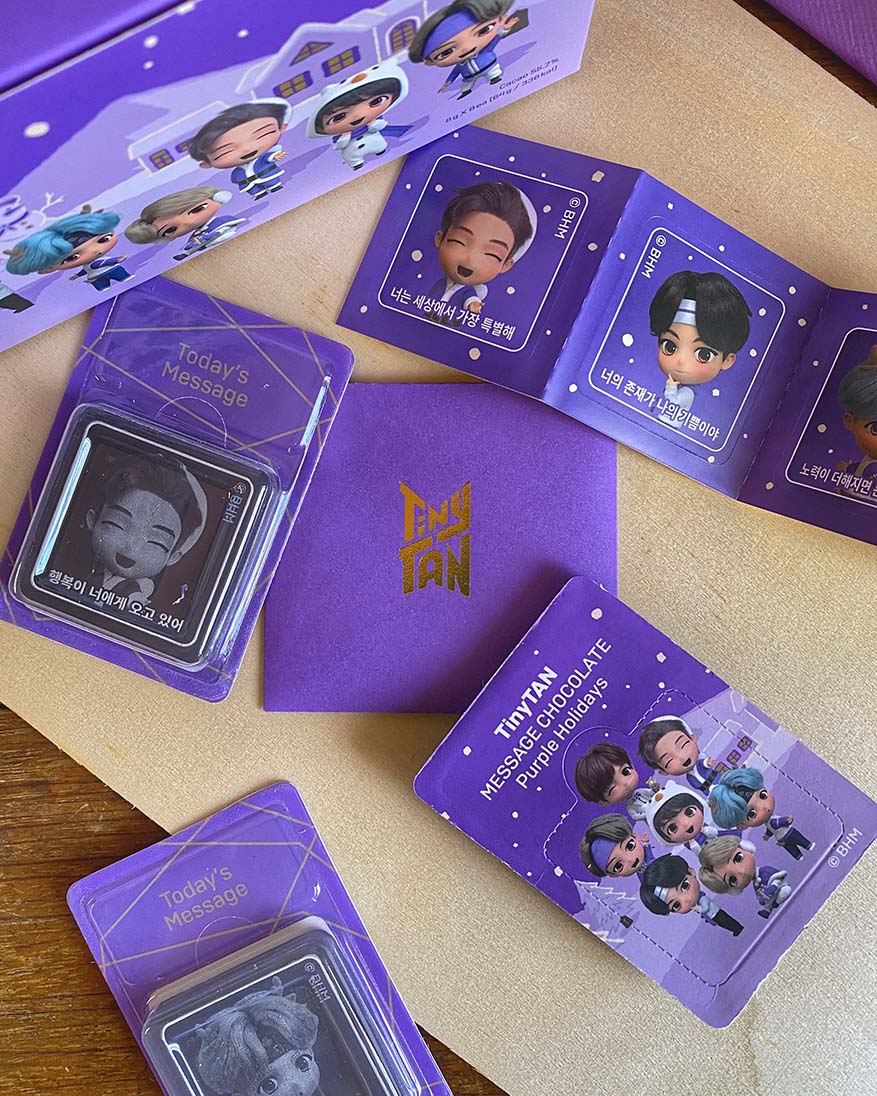
Retailers are capitalizing on this sentiment by releasing color-coded products. According to recent observations in local convenience stores, the demand for purple-themed snacks has outpaced traditional product lines. At GS25 locations, the limited-edition Oreo collaboration has become a focal point for fans seeking collectible items that feature group lyrics. This strategy turns a standard grocery item into a piece of fan memorabilia.
The impact is also visible in unexpected sectors, such as battery sales. While the direct link between BTS and batteries may seem unconventional, industry analysts note that the heavy use of portable electronics, lightsticks (known as “Army Bombs”), and mobile devices by fans during organized events and social media engagement drives a consistent need for power supplies. This intersection of fandom activity and essential consumer goods demonstrates the breadth of the K-pop economic footprint.
From convenience stores to local cafes: The ARMY impact
The economic ripple effect of the BTS fandom is moving from national chains to small, local businesses. In Busan, specifically within the Sajik-dong area, local cafes have reported a noticeable increase in customers. These visitors are often part of organized fan gatherings or are simply engaging in “cafe hopping” to visit locations that offer themed decorations or purple-centric aesthetics.
This localized surge provides a significant boost to small business owners who may not have previously engaged with the K-pop market. By adopting subtle branding elements—such as purple lighting, themed menus, or displaying fan art—these establishments can tap into the high-velocity spending habits of the ARMY fandom. This trend illustrates how K-pop influence moves beyond music charts and into the physical infrastructure of local economies.
Key areas of impact include:
- Convenience Retail: High-volume sales of limited-edition snacks and beverages.
- Food and Beverage: Increased patronage at cafes and restaurants that align with fan aesthetics.
- Consumer Electronics: Sustained demand for batteries and charging accessories used for fan engagement tools.
- Tourism: Increased movement of fans to specific districts, supporting local transport and services.
The marketing power behind the color purple
The success of these retail surges relies on “sentiment-driven marketing.” Rather than selling a product based on taste or utility alone, companies are selling an emotional connection. When a consumer buys a purple Oreo, they are not just purchasing a cookie; they are participating in a shared cultural moment with their favorite artists.
This strategy is highly effective for several reasons:
First, it creates a sense of scarcity. Limited-edition releases, such as the lyric-printed Oreos, encourage immediate and bulk purchasing to avoid missing out on collectible items. Second, it builds community. When fans see others purchasing the same purple items, it reinforces their identity within the fandom, driving further social media engagement and word-of-mouth marketing.
Industry experts suggest that this model is being studied by other global brands. The ability to turn a color or a phrase into a driver for multi-sector retail growth is a hallmark of the modern K-pop economy. As the group’s influence continues to evolve, the “purple economy” is expected to integrate more deeply with digital commerce and global logistics.
Frequently Asked Questions about the BTS retail trend
Why is the color purple so important to BTS fans?
The color purple is synonymous with the phrase “I purple you,” which was created by BTS member V. It represents a promise of trust and long-lasting affection between the group and their fans, making it a powerful symbol of their bond.
How do fans influence local businesses?
Fans often organize gatherings at specific cafes or restaurants, especially those that offer themed decor or products. This concentrated foot traffic provides a direct revenue boost to local entrepreneurs in areas like Sajik-dong.
Is the “purple economy” limited to South Korea?
While the current reports focus on South Korean retail hubs like GS25 and Busan-based cafes, the BTS brand is global. The demand for themed merchandise and color-specific products is seen in international markets wherever the fandom is active.
The next major checkpoint for observing this economic trend will be the release of upcoming official group announcements or new brand collaborations, which typically trigger immediate shifts in retail data. For more updates on the intersection of entertainment and global commerce, follow our latest reports.
What do you think about the impact of K-pop on global retail? Share your thoughts in the comments below and share this article with your network.
Keep reading