President Donald Trump’s administration has initiated a series of executive actions since January 21, 2025, aimed at restructuring U.S. global health efforts and reorienting international medical partnerships. These directives, which include the modification of funding mandates for multilateral organizations and the establishment of new oversight mechanisms for infectious disease programs, represent a significant shift in how the United States engages with global health security, according to official White House records released during the first month of the term.
As a physician and health journalist monitoring these developments from Berlin, I have tracked the intersection of these policy changes with established international health frameworks. The primary focus of these executive actions centers on prioritizing domestic health outcomes and re-evaluating the financial contributions the U.S. makes to international health entities, a strategy that marks a departure from the administrative precedents set during the previous four years.
Policy Shifts in Global Health Funding
A central pillar of the current administration’s approach involves the rigorous auditing of U.S. contributions to international health organizations. On January 24, 2025, the White House issued an executive order requiring a comprehensive review of all multi-year funding commitments to global health initiatives, including those directed toward the World Health Organization (WHO) and the Global Fund to Fight AIDS, Tuberculosis and Malaria, as documented in the Federal Register. This directive mandates that future disbursements be contingent upon the achievement of specific, performance-based benchmarks, which the administration identifies as essential for ensuring accountability and transparency in the use of taxpayer dollars.

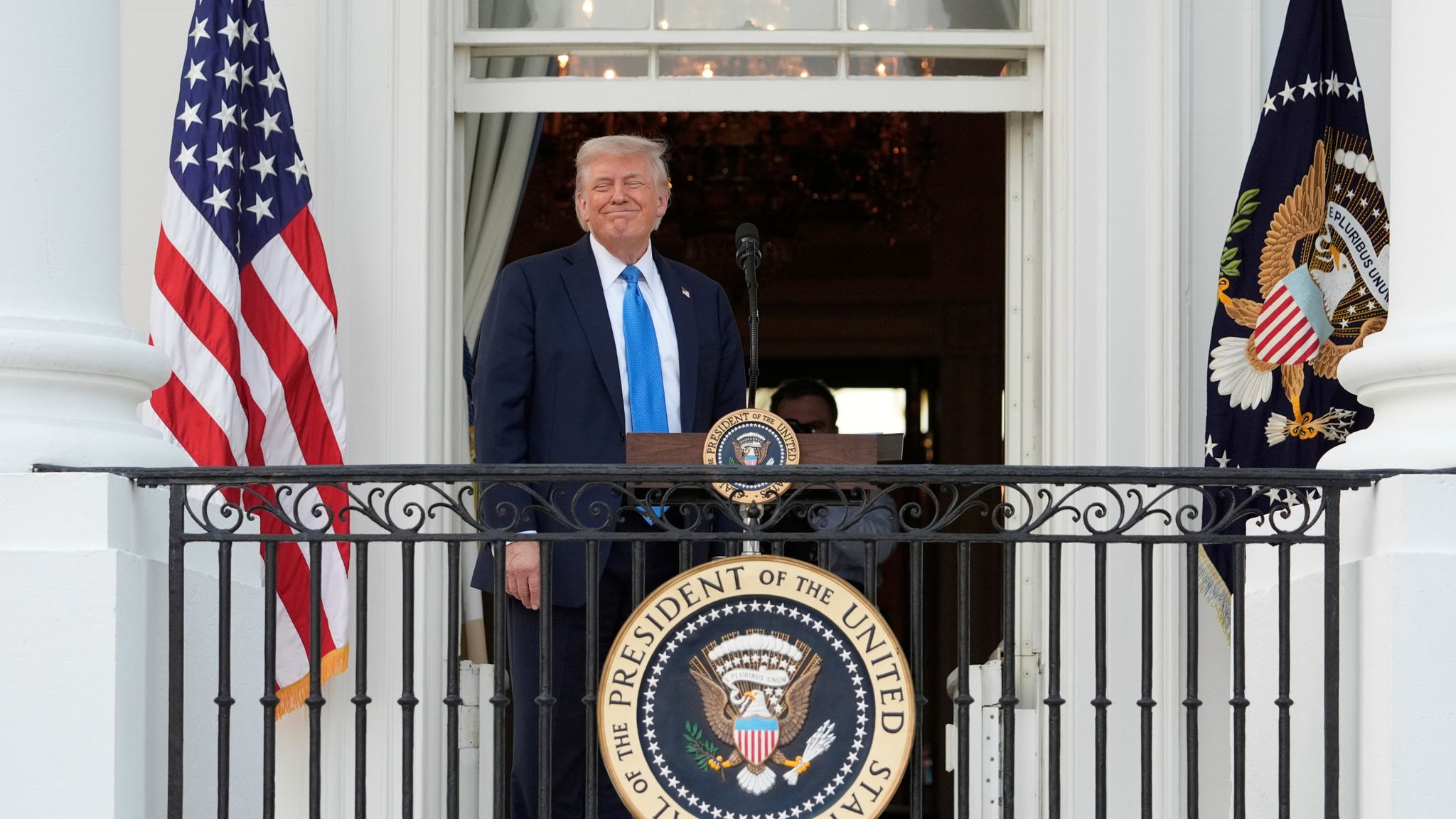
The implications of this move are significant for public health infrastructure in low- and middle-income countries. According to a report by the Kaiser Family Foundation, the United States remains the largest single donor to global health programs, providing billions in annual assistance. By placing these funds under a new review process, the administration aims to ensure that international programs align directly with U.S. national security interests. Critics, however, argue that such conditions could disrupt the continuity of essential services, such as vaccination campaigns and antiretroviral therapy distribution, which rely on predictable, multi-year funding cycles.
Restructuring Infectious Disease Oversight
In addition to funding modifications, the administration has moved to centralize the oversight of global infectious disease programs under the direct authority of the White House. This effort is designed to streamline the coordination between the Department of Health and Human Services (HHS), the U.S. Agency for International Development (USAID), and the Centers for Disease Control and Prevention (CDC). The stated goal, according to an HHS press release dated February 3, 2025, is to eliminate bureaucratic redundancies and ensure that U.S. responses to health emergencies are agile and responsive to executive priorities.
This centralization effort includes the establishment of a new task force dedicated to “Global Health Sovereignty,” which is charged with evaluating the efficacy of existing international health regulations. The task force is required to submit a report to the President within 180 days detailing recommendations for withdrawing from or renegotiating specific international accords that the administration believes limit U.S. regulatory autonomy. This move reflects a broader administrative philosophy that emphasizes national control over globalized health policy frameworks.
Impact on International Partnerships
The shifting policy landscape has created a climate of uncertainty for international non-governmental organizations (INGOs) and foreign health ministries that partner with the United States. Many of these entities are currently assessing how the new performance-based criteria will impact their ongoing projects. As noted in a recent assessment by the Council on Foreign Relations, the transition toward a more transactional model of global health aid may prompt other nations, particularly in the European Union and Asia, to reconsider their own financial commitments to compensate for potential gaps in U.S. support.
For many stakeholders, the immediate concern is the potential for a “policy vacuum” during the review periods established by the executive orders. Organizations that provide critical medical supplies and training are currently awaiting guidance on whether existing grants will be honored or if they will be subject to the new, stricter oversight parameters. The administration has maintained that these reviews are necessary to prevent the mismanagement of resources and to ensure that global health initiatives are not being used to advance political agendas that run counter to U.S. interests.
What Happens Next
The next major checkpoint in this policy transition is the submission of the first interagency report on global health funding, which is due to the White House by the end of the second quarter of 2025. This document is expected to provide the specific criteria for the “performance-based” funding model that will govern future U.S. international health assistance. Additionally, the Global Health Sovereignty task force is scheduled to hold its first public hearing on March 15, 2025, to solicit input from stakeholders regarding the future of U.S. involvement in international health treaties.
As the administration continues to roll out these executive actions, the global health community will be watching closely to see how the balance between domestic policy goals and international humanitarian commitments is maintained. Accurate, verified reporting will remain essential as these policies evolve and their real-world impacts on global health outcomes become clearer. We encourage readers to share their perspectives on these developments in the comments section below, and to stay tuned to the World Today Journal for further updates as new directives are signed and implemented.
- WHO and African Union Renew Strategic Partnership to Advance Health Security and Universal Health Coverage
- Why Does My Dog Smell? When Dog Odor Could Be a Health Warning
- Account Executive Enterprise DX Job in Salt Lake City Utah (news-usa.today)
- The Senate Blue Slip, Explained: The Custom Trump Wants Gone (daybreakwire.com)