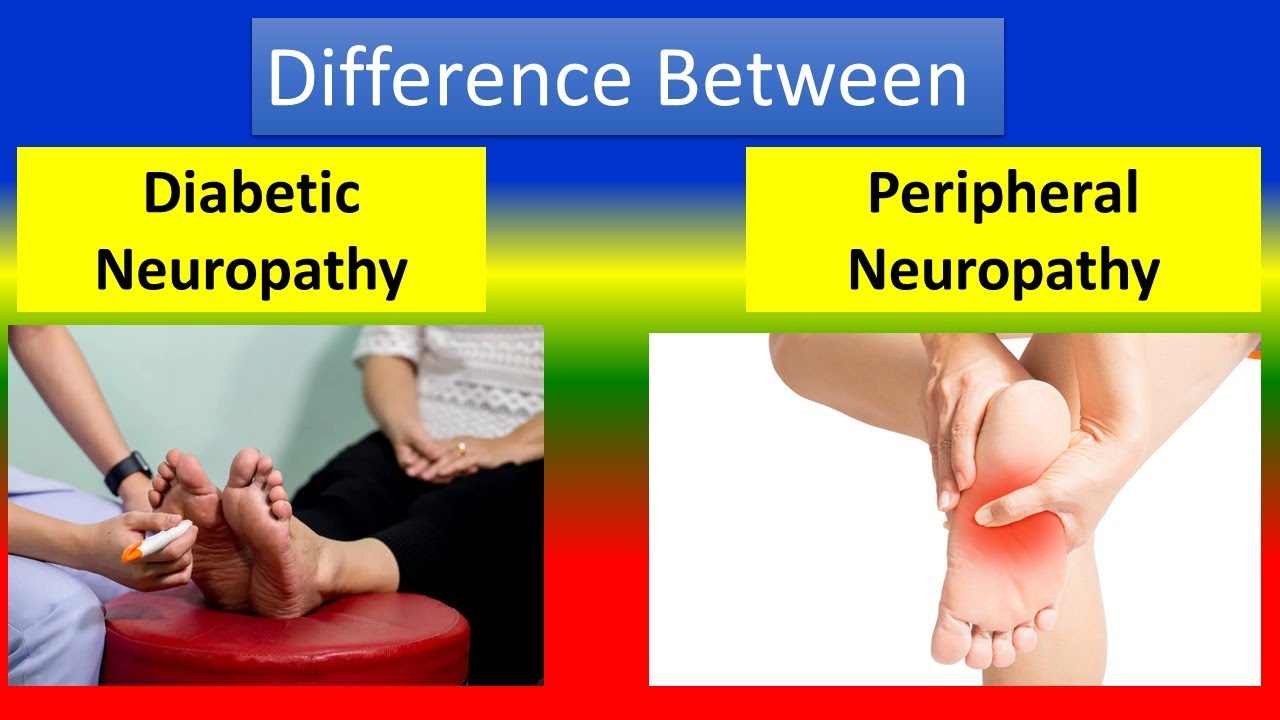
In a recent exchange published in JAMA Network, authors of a comprehensive review on peripheral neuropathy responded to critiques regarding the exclusion of certain nerve entrapment conditions from their analysis. The reply, issued by the original review authors, clarified that carpal tunnel syndrome and ulnar neuropathy at the elbow were intentionally omitted because they represent focal entrapment neuropathies, which differ fundamentally in pathophysiology and management from the generalized peripheral neuropathies that were the focus of their study.
The authors emphasized that this distinction was not an oversight but a deliberate methodological choice. They stated that entrapment neuropathies such as carpal tunnel syndrome—caused by compression of the median nerve at the wrist—and ulnar neuropathy at the elbow—often due to compression behind the medial epicondyle—are mechanistically distinct from diffuse axonal or demyelinating processes seen in conditions like diabetic peripheral neuropathy or hereditary neuropathies. As such, they argued, these conditions warrant separate clinical consideration and are not appropriately grouped under the umbrella of “peripheral neuropathy” in reviews targeting systemic or generalized forms.
This clarification aligns with current clinical understanding reflected in authoritative medical resources. According to UpToDate, ulnar neuropathy at the elbow is the second most common entrapment neuropathy of the upper extremity, surpassed only by carpal tunnel syndrome. Both conditions are classified as focal mononeuropathies resulting from external pressure or anatomical narrowing, rather than the widespread nerve dysfunction characteristic of metabolic, toxic, or inflammatory peripheral neuropathies.
The responding authors further noted that treatment approaches diverge significantly between these categories. For entrapment syndromes like carpal tunnel and cubital tunnel (ulnar nerve at elbow), surgical decompression—such as transverse carpal ligament release or cubital tunnel decompression—is a well-established and often curative intervention when conservative measures fail. In contrast, management of generalized peripheral neuropathies typically focuses on addressing underlying causes (e.g., glucose control in diabetes, vitamin replacement, immunosuppression in autoimmune cases) and symptomatic relief, with surgery playing little to no role in most instances.
This distinction has practical implications for diagnosis and patient care. Misclassifying entrapment neuropathies as generalized peripheral neuropathy may lead to unnecessary testing, delayed referral for surgical evaluation, or inappropriate use of medications that do not address mechanical compression. Conversely, recognizing the focal nature of these conditions enables timely intervention, which can prevent progressive axonal loss and permanent motor or sensory deficits.
The exchange underscores the importance of precise terminology in neurology. While “peripheral neuropathy” is often used broadly in clinical and public discourse, medical literature increasingly distinguishes between generalized polyneuropathies and focal mononeuropathies to guide appropriate evaluation and treatment. Conditions such as chronic inflammatory demyelinating polyneuropathy (CIDP), amyloid-associated neuropathies, or chemotherapy-induced peripheral neuropathy involve diffuse nerve involvement and require systemic therapies, unlike the localized mechanical pathophysiology of entrapment syndromes.
Medical experts continue to advocate for refined classification systems that reflect both anatomical distribution and etiological mechanisms. The American Association of Neuromuscular & Electrodiagnostic Medicine (AANEM) provides guidelines that help differentiate between these categories based on clinical presentation, nerve conduction studies, and response to intervention. Such frameworks support clinicians in avoiding diagnostic oversimplification and ensuring patients receive condition-specific care.
For patients experiencing symptoms like numbness, tingling, or weakness in the hands or feet, accurate diagnosis begins with a thorough neurological examination to determine whether findings suggest a focal lesion (e.g., isolated median nerve dysfunction at the wrist) or a symmetric, length-dependent process indicative of generalized neuropathy. Electrodiagnostic testing remains a key tool in localizing lesions and distinguishing between axonal and demyelinating processes across both categories.
As research advances, particularly in neuroimaging and biomarker development, the ability to precisely characterize neuropathy subtypes is improving. However, the foundational principle upheld by the authors of the original review and their responders remains valid: effective communication in neurology depends on accurate categorization. By maintaining clear distinctions between entrapment neuropathies and generalized peripheral neuropathies, the medical community can better tailor diagnostics, therapeutics, and patient education to individual needs.
The dialogue serves as a reminder that even widely used medical terms require contextual precision. In an era of increasing subspecialization and targeted therapies, clarity in diagnosis is not merely academic—it directly influences outcomes. For journalists, clinicians, and patients alike, recognizing the difference between a compressed nerve at the elbow and a systemic nerve disorder ensures that information, discussion, and care remain grounded in medical accuracy.
As of now, there are no announced updates or revisions to the original review or its accompanying correspondence. Readers seeking the most current guidance on neuropathy classification and management are encouraged to consult peer-reviewed neurology journals, official guidelines from professional societies such as the American Academy of Neurology, and trusted clinical resources like UpToDate or the National Institute of Neurological Disorders and Stroke (NINDS).
We invite our readers to share their perspectives on how medical terminology impacts patient understanding and care. Have you encountered confusion between different types of neuropathy in clinical settings or public health discussions? Join the conversation by commenting below or sharing this article with colleagues and networks interested in neurology and precision medicine.
Related reading