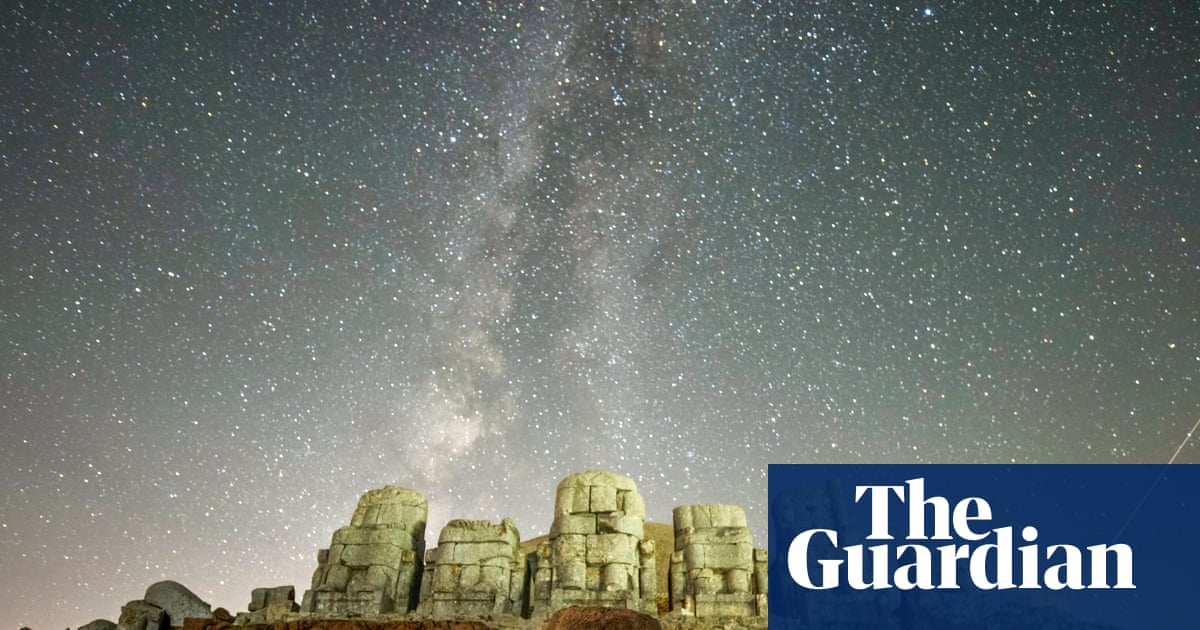
The Perseid meteor shower, widely considered one of the year’s most active and anticipated celestial displays, is reaching its peak on the night of Wednesday, August 12, into Thursday, August 13, according to USA Today. Under ideal viewing conditions, stargazers can expect to see between 50 and 100 meteors per hour, as reported by The Guardian.
Perseid Meteor Shower Peaks With Up to 100 Shooting Stars Under Dark Skies
Royal Astronomical Society Research Fellow Dr. Becky Smethurst described the Perseids as one of the best nights for astronomy all year,
noting that the phenomenon acts as sort of like the Universe’s own cosmic clock in a way.
Active from July 17 through August 24, the annual summer light show is a perennial favorite because it occurs during warm August nights and frequently produces brilliant fireballs with long glowing trails.

Origins of Comet Swift-Tuttle and Cosmic Debris
The spectacular streaks of light are created when Earth passes through trails of debris left behind by comet 109P/Swift-Tuttle. Discovered by American astronomers Lewis Swift and Horace Tuttle in 1862, the icy body takes approximately 133 years to complete a single orbit around the Sun, with its next return not scheduled until 2125.
With a solid core measuring 16 miles across, Swift-Tuttle is considered the largest solar system object to regularly pass close to Earth. As the planet plows through the densest part of the debris stream at high speeds, tiny dust particles enter the atmosphere and burn up from friction. Meteorite expert Dr. Ashley King of the Natural History Museum explained that as these minuscule dust grains move from the vacuum of space into the atmosphere, they interact with atmospheric particles and ions to form an impressive flash. Because the comet takes over a century to orbit, some of the burning rock fragments seen by observers may have been shed more than a century ago.
Ideal Viewing Conditions and Coinciding Solar Eclipse
This year’s peak benefits from exceptional astronomical timing, coinciding with a new moon phase. Astronomer Aparna Venkatesan of the University of San Francisco noted that a new moon means there is no moonlight flooding the sky, allowing observers to see significantly more meteors.
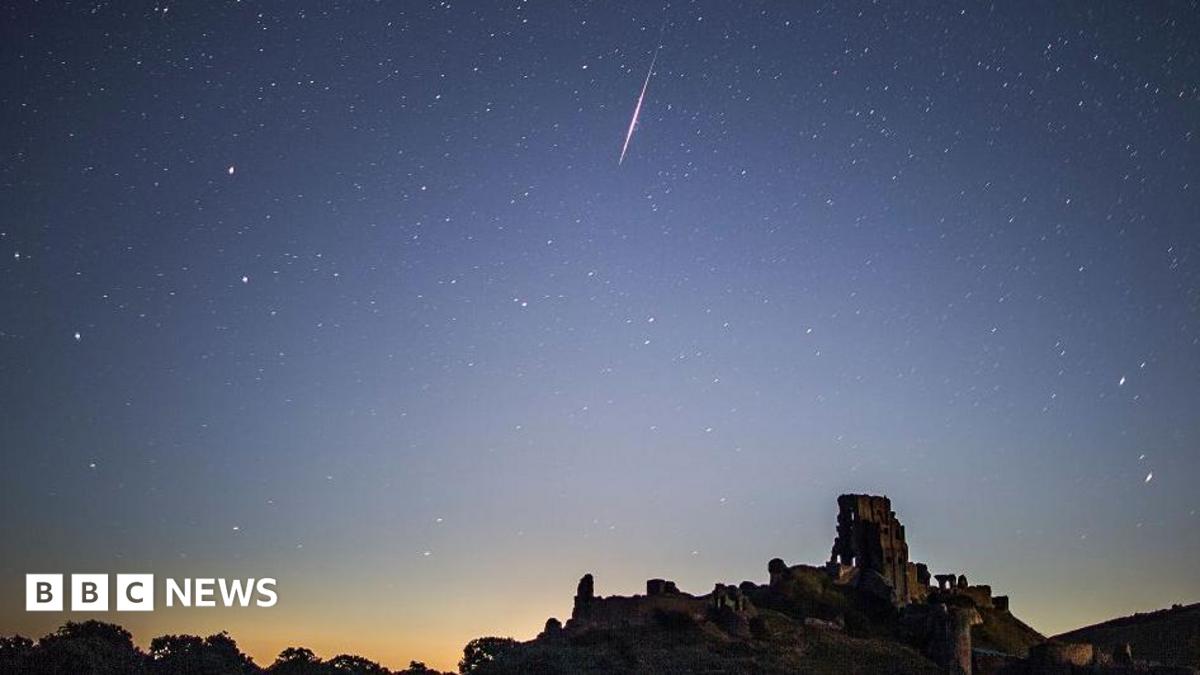
The celestial event also coincides with a solar eclipse on Wednesday, August 12. While a total solar eclipse crosses Spain, Iceland, Greenland, and eastern Greenland, a partial solar eclipse will be visible across parts of North America and Western Europe. In London, the partial eclipse begins at 6:17 p.m., reaching roughly 90 percent coverage at 7.12 p.m. before ending at 8:06 p.m., according to Yahoo News. The Royal Greenwich Observatory noted that this will be the UK’s starkest solar eclipse since 1999.
Tips for Stargazers to Maximize Visibility
While the Perseid meteors are visible all around the world and appear to originate from the constellation Perseus, experts recommend specific steps to secure the best view:
* Timing: While random meteors appear after sunset, the best viewing window is between midnight and dawn (or 5:30 a.m.), when the radiant reaches its highest position in the northern sky. * Location: Head outside away from city lights, trees, and buildings. Recommended dark-sky locations in the U.S. include National Parks such as Acadia, Bryce Canyon, Grand Canyon, and Death Valley, as well as International Dark Sky Parks. * Dark Adaptation: Allow 15 to 30 minutes for your eyes to adjust completely to the darkness. * Device Etiquette: Avoid looking at your phone during observation sessions to preserve night vision. * Equipment: No telescope or binoculars are required; simply use comfortable seating like a camping chair or blankets, pick a patch of sky, and be patient.
Related reading