
In the high-pressure environment of a hospital emergency department, the arrival of a patient living on the streets often presents a complex clinical challenge. These individuals frequently present with a constellation of untreated chronic conditions, acute infections and nutritional deficiencies—symptoms that are often the direct result of a lack of stable housing and basic sanitary resources. For many, the pronto soccorso (emergency room) becomes the only consistent point of contact with the healthcare system, creating a “revolving door” effect that strains both medical resources and the well-being of the most vulnerable populations.
A transformative social initiative in Rimini, Italy, is now seeking to break this cycle. By shifting the focus from reactive emergency medical intervention to a proactive model of holistic reception, the project aims to address the root causes of health disparities among the homeless. This new approach moves beyond the traditional “emergency shelter” model, prioritizing what experts call the “relational” and “educational” aspects of care to foster long-term social reintegration.
The initiative, which centers on providing more than just temporary relief, marks a significant evolution in how urban centers manage the intersection of public health and homelessness. By establishing a dedicated presence that offers hygiene, nourishment, and, crucially, human connection, the program seeks to bridge the gap between immediate survival and stable community living.
Beyond the Emergency Room: A New Paradigm in Rimini
For years, the standard response to homelessness has been bifurcated: medical services handle acute crises, while social services manage housing and food security. However, this separation often fails the individual. A patient treated for an infection in an emergency room will likely return within weeks if they lack access to clean water, soap, or a stable environment to recover.
The new project in Rimini addresses this fragmentation by creating a “presidio”—a dedicated outpost or center—designed to act as a stabilizing force. Rather than waiting for a medical crisis to trigger an interaction with the state, the project brings support directly to the point of need. This model recognizes that homelessness support and social inclusion in Rimini must be integrated to be effective.
The transition from “emergency” to “reception” is not merely a change in terminology; it is a fundamental shift in philosophy. While emergency care is designed to stabilize a crisis, “reception” (accoglienza) is designed to rebuild a life. This distinction is vital for public health, as it moves the burden of care from expensive, acute-care hospital settings to community-based, preventative social structures.
The Three Pillars of Holistic Reception
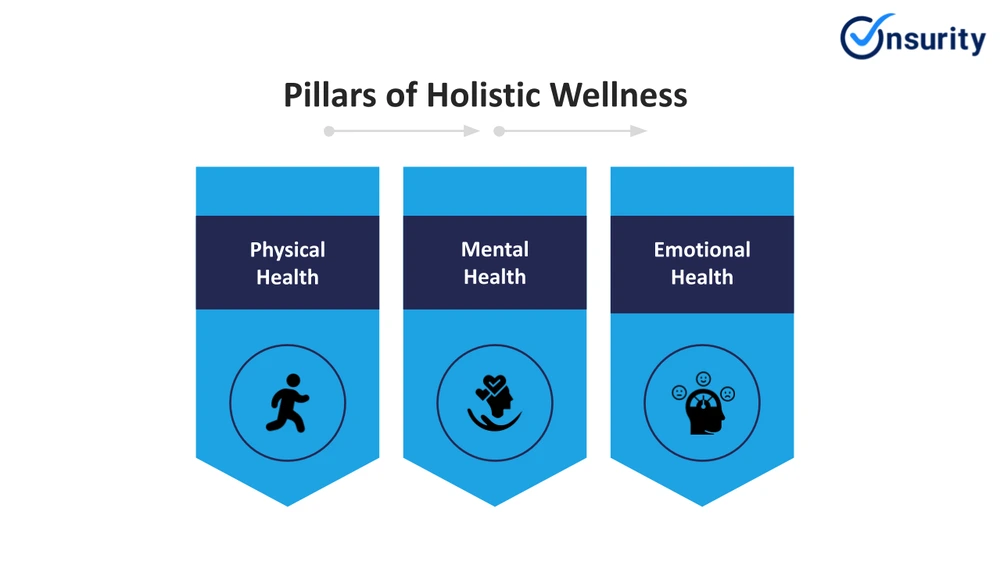
The Rimini initiative is built upon three distinct but interconnected pillars. Each is designed to address a specific layer of human need, moving from the biological to the psychological and, finally, to the social.
1. Biological Stability: Hygiene and Nutrition
The most immediate barriers to health for those living on the street are often the most basic. Lack of access to regular bathing facilities leads to chronic dermatological issues, increased risk of parasitic infections, and a general decline in physical health. Nutritional instability is a primary driver of metabolic and immune system dysfunction.
By providing dedicated spaces for personal hygiene and consistent access to nourishment, the project provides the “biological baseline” necessary for any further intervention. Without physical cleanliness and adequate caloric intake, an individual is often in a state of constant physiological stress, making it nearly impossible to engage in the more complex tasks of social reintegration or medical treatment adherence.
2. The Relational Bridge: Building Trust
Perhaps the most innovative aspect of the Rimini project is the emphasis on the “relational” element. In the field of social work and public health, the “relational bridge” refers to the process of building consistent, non-judgmental trust between service providers and marginalized individuals. Many people experiencing homelessness have had traumatic or dehumanizing interactions with institutional systems, leading to a profound mistrust of authority and healthcare providers.

The project identifies this relational component as a “qualifying element.” This means that the success of the center is not measured solely by the number of meals served or showers provided, but by the depth and stability of the relationships formed between staff and participants. This trust is the essential precursor to any meaningful intervention; it is the foundation upon which all other support is built.
3. Educational Pathways to Reintegration
The final pillar is educational and developmental. Once biological needs are met and a level of trust has been established, the focus shifts to providing tools for autonomy. This includes assistance with navigating bureaucracy, improving literacy or digital skills, and connecting individuals with vocational training or mental health resources.
The goal is to move the individual from a state of passive reception to active participation in their own recovery and reintegration. By treating the person as a capable agent rather than a mere recipient of charity, the project aims to restore the dignity that is so often stripped away by the experience of life on the streets.
The Public Health Imperative: Why Social Care Reduces Medical Strain
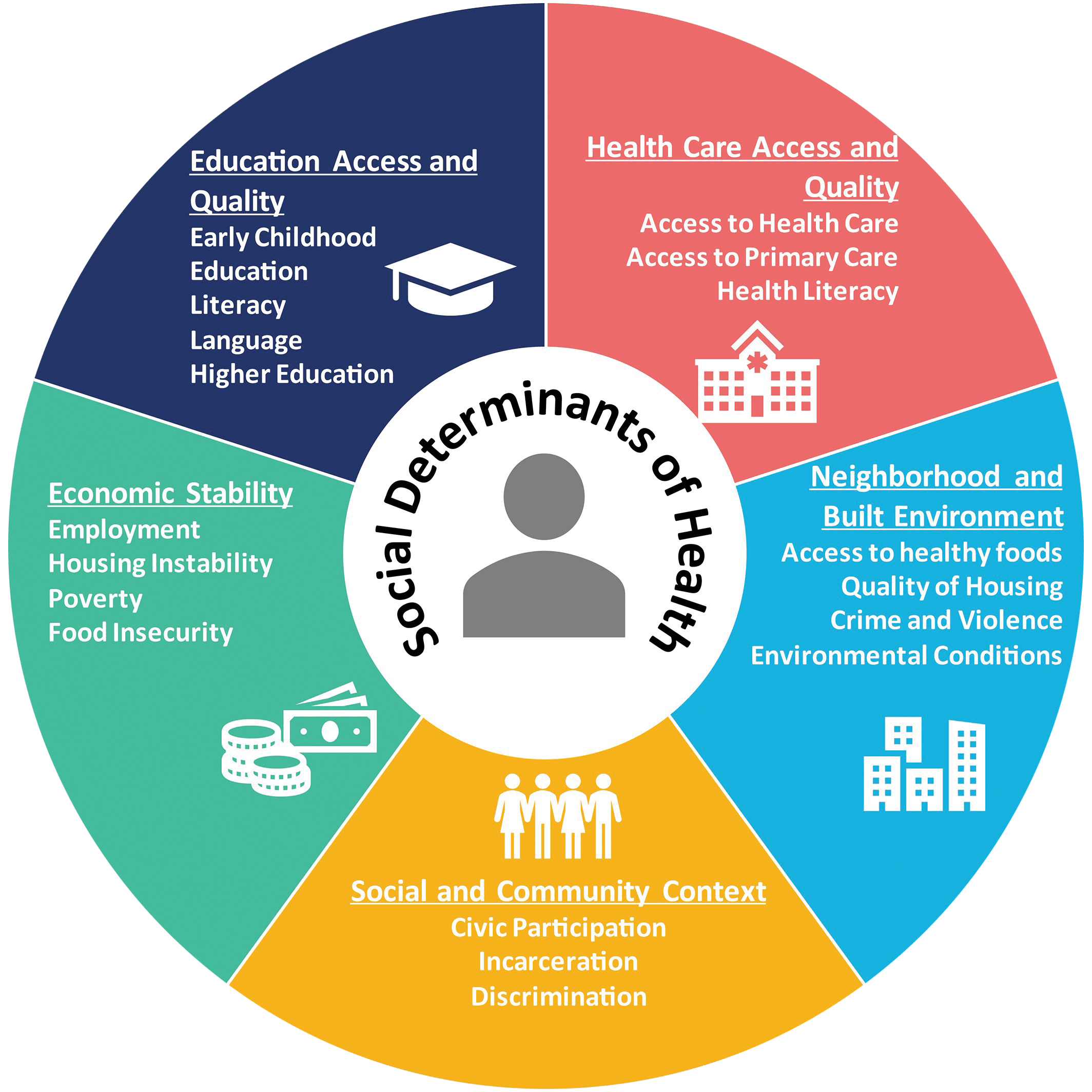
From a clinical and policy perspective, the Rimini approach aligns with the growing global recognition of the Social Determinants of Health (SDOH). These are the non-medical factors—such as housing, sanitation, and social support—that influence health outcomes. Research consistently shows that addressing these determinants is more cost-effective than treating the downstream medical consequences of poverty.
When social services provide stable, relational care, the impact on the healthcare system is measurable:

- Reduced Emergency Department Overcrowding: By managing hygiene and minor health issues through community outposts, fewer individuals require high-intensity ER visits for preventable complications.
- Management of Infectious Diseases: Improved hygiene facilities are a primary defense against the spread of skin, respiratory, and gastrointestinal infections within vulnerable populations.
- Improved Chronic Disease Management: A “relational” approach allows for better follow-up on medication adherence and chronic condition monitoring (e.g., diabetes or hypertension), which is often impossible for those without stable contact points.
By investing in the “reception” phase, municipalities can ultimately reduce the long-term fiscal burden on their public health budgets. The shift from reactive emergency medicine to proactive social inclusion is not just a humanitarian necessity; it is an economic imperative for modern urban governance.
Global Perspectives: Lessons from the European Social Model
The initiative in Rimini reflects a broader trend across Europe to adopt more sophisticated models of social inclusion. Many European cities are moving away from the “shelter-first” approach toward models like Housing First, which prioritizes permanent housing as a platform for all other social and medical services. While the Rimini project focuses on the crucial “outreach and reception” phase, it shares the same underlying logic: stability must precede progress.
In cities across Scandinavia and parts of Western Europe, integrated “street medicine” teams have demonstrated that combining healthcare with social support significantly improves the quality of life for the homeless and reduces the strain on hospital systems. The Rimini model, by emphasizing the “relational” and “educational” aspects, positions itself within this progressive European framework of dignity-based care.
As urban centers continue to grapple with the complexities of homelessness and shifting demographics, the success of such localized, multi-dimensional projects will be critical. The ability to move beyond the “emergency” mindset and into a “relational” mindset may well be the key to breaking the cycle of poverty and ill health.
Key Takeaways
- Shift in Focus: The project moves from reactive emergency medical care to proactive, holistic social reception.
- Holistic Support: The model integrates hygiene, nutrition, relational trust-building, and educational support.
- Relational Importance: Building human connection is considered a “qualifying element” for successful social reintegration.
- Public Health Impact: Proactive community support can reduce the frequency of emergency room visits and manage infectious diseases more effectively.
- Dignity-Based Care: The emphasis is on restoring agency and autonomy to individuals through educational pathways.
The implementation of this project will require ongoing assessment of how effectively the “relational” pillar translates into long-term social stability. Further updates regarding the specific metrics of success and the expansion of these services in the Rimini region are expected in the coming months.
What are your thoughts on the shift from emergency medical care to holistic social reception for vulnerable populations? Share your insights in the comments below and share this article to spread awareness of innovative public health models.
Related reading