
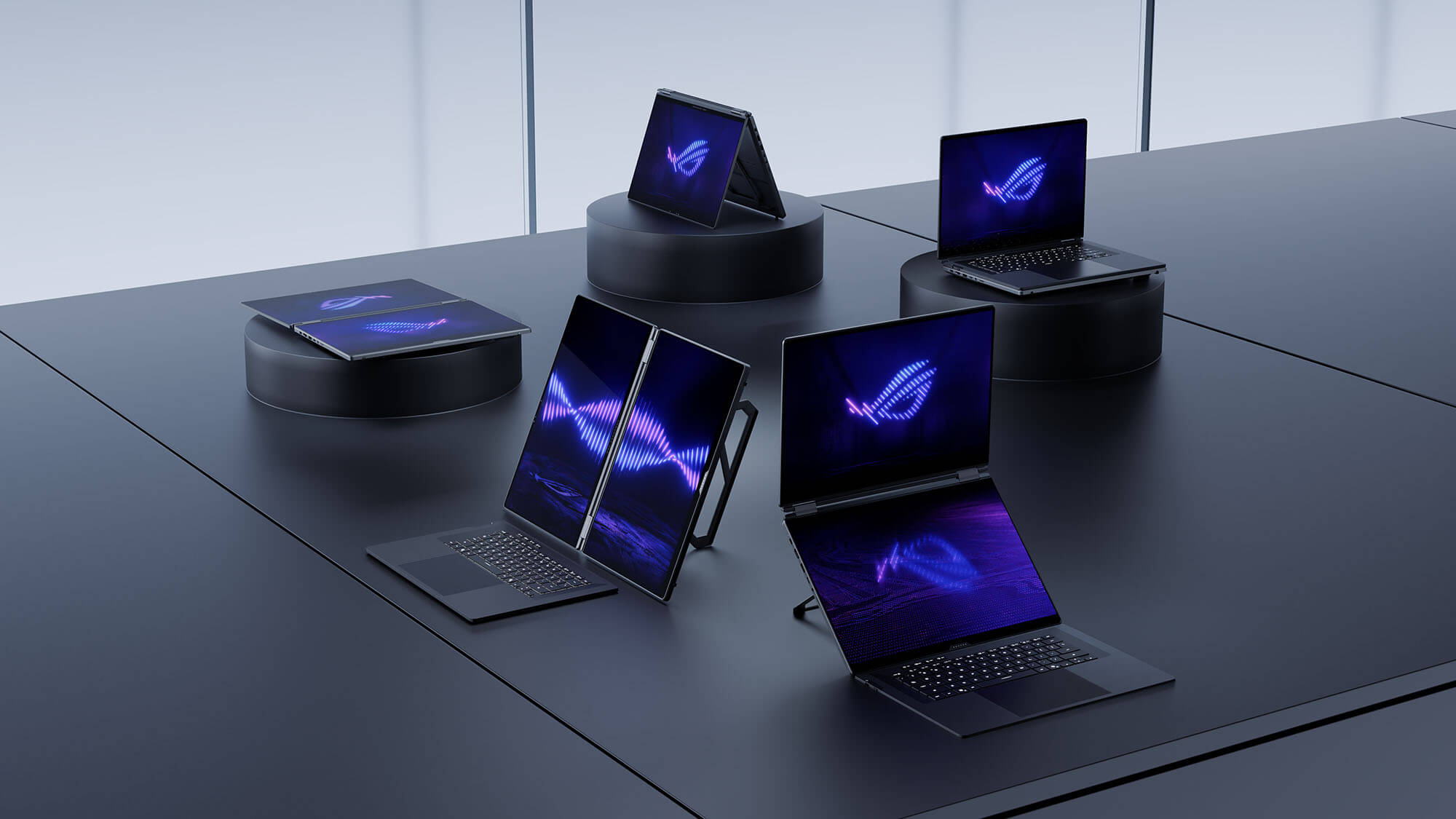
As the curtains rise at Computex 2026 in Taipei, ASUS has signaled a significant shift in its high-end computing strategy, placing artificial intelligence at the center of its professional-grade hardware. The company officially unveiled its latest ProArt lineup, introducing new laptops and a Mini PC designed specifically for the era of personal AI agents. Among the most notable announcements are the ProArt P16 (H7607) and P14 (H7407), two devices that aim to redefine mobile creative workflows through the integration of NVIDIA’s newly announced RTX Spark superchip.
For creative professionals and developers, these machines represent more than just a spec bump; they are engineered to handle the intensive demands of modern AI-driven content creation. By leveraging the power of the NVIDIA RTX Spark, these new ASUS ProArt PCs are purpose-built to facilitate complex tasks such as generating 4K AI video, rendering expansive 3D scenes exceeding 90GB and running large language models (LLMs) with up to 120 billion parameters and 1 million tokens of context, according to the official ASUS press release issued on June 1, 2026.
Engineered for the AI Era
The core of this new hardware ecosystem is the NVIDIA RTX Spark. ASUS has built these devices around a unified memory architecture, which is critical for the power efficiency and performance required by local AI processing. The systems support up to 128GB of unified memory and provide 1 petaflop of AI performance. This architecture is designed to allow creators to transition seamlessly between traditional graphics-intensive applications and local generative AI agents without the latency often associated with cloud-based processing.

Beyond the raw silicon, ASUS has focused on the aesthetic and ergonomic needs of the professional creative community. The new ProArt P16 and P14 laptops feature a distinct Neo White colorway, expanding the existing design language that previously relied on Nano Black. This design refresh extends across the wider ProArt ecosystem, including the company’s monitors, motherboards, and peripherals, creating a cohesive workstation environment for studio professionals.
Workflow Integration and Local AI
A primary challenge for AI-powered creators is the fragmentation of software tools. To address this, ASUS has integrated its exclusive creator applications with native local AI generative capabilities. This integration aims to optimize workflows by allowing developers and artists to keep their data local, enhancing both privacy and speed. The company emphasized that these machines are not merely high-performance laptops but “personal agents” that reinvent the Windows PC experience for the modern era.

The ProArt Mini PC also joins the P16 and P14 in this new lineup, providing a compact form factor for studio environments where space is at a premium but computing power cannot be compromised. By standardizing the RTX Spark architecture across the ProArt range, ASUS is positioning its hardware as the primary choice for users who need to bridge the gap between creative production and AI model development.
Looking Ahead: Availability and Market Impact
The announcement at Computex 2026 marks a pivotal moment for ASUS as it pivots toward the AI-first PC market. While the debut in Taipei has set the stage for these products, consumers and professionals will have to wait until later in the year to integrate these systems into their studios. ASUS has confirmed that the new ProArt P16, P14, and ProArt Mini PC are scheduled for availability beginning in the fall of 2026 in select regions, as detailed in the company’s official event documentation.

For those tracking the evolution of high-performance computing, the integration of 128GB of unified memory and the specific focus on 1 million-token context support for LLMs suggests that ASUS is targeting the upper echelon of the developer and digital content market. As we move closer to the fall launch window, further details regarding regional pricing and specific configurations are expected to be released through official ASUS channels.
We will continue to monitor the rollout of the ProArt series and provide updates on how these machines perform in real-world creative benchmarks. If you have questions about the new ProArt lineup or the capabilities of the NVIDIA RTX Spark platform, please share your thoughts in the comments below.