
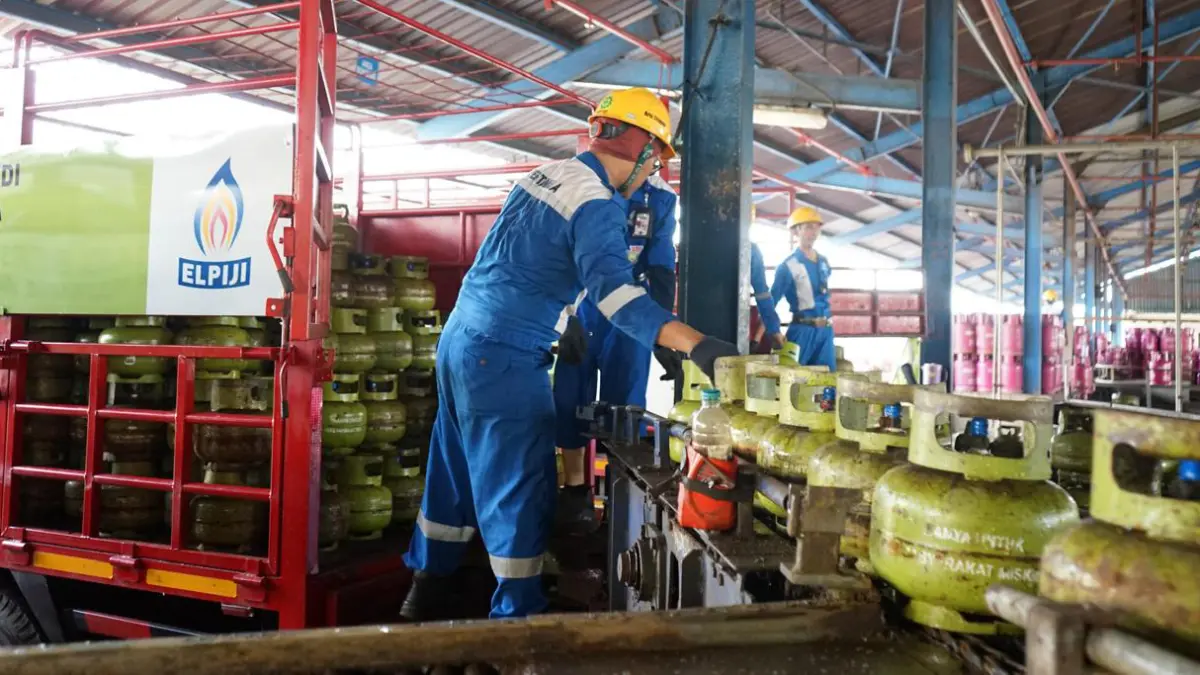
Pertamina Cracks Down on Seven Unauthorized LPG Distributors in Bojonegoro for Price Gouging
Indonesia’s state-owned energy company Pertamina has terminated contracts with seven unauthorized LPG (liquefied petroleum gas) distribution points in Bojonegoro, East Java, following investigations that revealed widespread price gouging and supply manipulation ahead of the 2026 Ramadan and Eid al-Fitr holidays. The move, confirmed by local officials, underscores growing concerns over the illegal resale of subsidized 3-kilogram LPG canisters, a critical energy source for millions of low-income households across Indonesia.
Field inspections conducted between March 18 and March 20, 2026, uncovered that the seven distribution points—locally referred to as pangkalan—were selling subsidized LPG canisters at prices far exceeding the government-mandated retail ceiling of Rp 18,000 per unit. According to findings verified by Pertamina and local authorities, retail prices at these unauthorized outlets ranged from Rp 25,000 to Rp 50,000 per canister, with some sellers imposing additional conditions, such as requiring customers to purchase unrelated goods to secure supply. The Deputy Regent of Bojonegoro, Nurul Azizah, confirmed the violations, stating that the price inflation was exacerbated by deliberate stock diversion, which disrupted the supply chain for subsidized fuel.
This crackdown is part of a broader effort by Pertamina to enforce compliance with Indonesia’s regulated pricing and distribution policies for subsidized energy products. The company has faced persistent challenges in ensuring that subsidized LPG reaches its intended beneficiaries, particularly in rural and semi-urban areas where unauthorized resellers often exploit supply shortages for profit. The timing of the violations—just weeks before Ramadan, a period of heightened demand for cooking fuel—has raised alarms among policymakers and consumer advocacy groups.
Price Violations and Supply Manipulation
The government-mandated retail ceiling for subsidized 3-kilogram LPG canisters is set at Rp 18,000 per unit, a price designed to ensure affordability for low-income households. However, the seven unauthorized distribution points in Bojonegoro were found to be selling the same canisters at prices ranging from Rp 25,000 to Rp 50,000, effectively tripling the legal limit in some cases. The investigations, led by a joint team comprising Pertamina representatives, local government officials, and police, revealed that the price hikes were not merely opportunistic but part of a coordinated effort to manipulate supply.
Deputy Regent Nurul Azizah, in a statement to local media, described the violations as a deliberate attempt to divert subsidized LPG stock away from authorized channels. “The price inflation was exacerbated by stock diversion, where subsidized canisters meant for local communities were redirected to unauthorized resellers who then sold them at inflated prices,” Azizah said. The practice not only violated Indonesia’s pricing regulations but also deprived legitimate consumers of access to affordable energy during a period of peak demand.
The 3-kilogram LPG canister is a cornerstone of Indonesia’s energy subsidy program, providing an affordable cooking fuel option for millions of households. The government allocates significant resources to subsidize the product, with Pertamina responsible for its distribution. However, the program has long been plagued by leakages, including illegal resale, hoarding, and price manipulation, particularly in regions with limited oversight. Bojonegoro, a regency in East Java with a population of over 1.3 million, has emerged as a hotspot for such violations, prompting increased scrutiny from regulators.
Joint Investigations and Enforcement Actions
The crackdown on the seven unauthorized distribution points followed a series of joint inspections conducted by Pertamina, local government officials, and law enforcement. The inspections, which took place over three days in March 2026, were part of a broader initiative to monitor compliance with subsidized fuel distribution rules ahead of Ramadan. According to Pertamina’s official statement, the unauthorized pangkalan were operating without proper licensing and were found to be in violation of multiple regulations, including the illegal resale of subsidized LPG and failure to adhere to price controls.

Pertamina Patra Niaga, the subsidiary responsible for fuel distribution in the region, confirmed that the contracts with the seven distribution points had been terminated effective immediately. “The termination of these contracts is a necessary step to uphold the integrity of our subsidized fuel distribution system,” said a spokesperson for Pertamina Patra Niaga. “We are committed to ensuring that subsidized LPG reaches its intended beneficiaries at the correct price and without manipulation.”
The enforcement action in Bojonegoro is not an isolated incident. In a separate case reported on April 27, 2026, Pertamina Patra Niaga imposed a one-month ban on two fuel stations in Bojonegoro for illegally distributing subsidized Biosolar, a type of biodiesel. The stations, identified as SPBU 5462112 in Desa Glagah Wangi and SPBU 5462104 in Desa Kalianyar, were found to have violated distribution rules by misusing barcodes and failing to verify vehicle registration numbers (nomor polisi) during sales. The ban, which took effect on April 1, 2026, prohibits the stations from selling Biosolar until May 1, 2026, and serves as a warning to other distributors engaging in similar violations.
Pertamina putus kontrak 7 pangkalan elpiji 3 kg di Bojonegoro karena jual di atas HET dan pelanggaran distribusi. Langkah ini diambil untuk memastikan ketersediaan dan harga elpiji subsidi tetap terjangkau bagi masyarakat. https://t.co/XYZ1234567
&mdash. Pertamina (@Pertamina) April 27, 2026
Broader Implications for Indonesia’s Subsidized Fuel Program
The termination of the seven LPG distribution points in Bojonegoro highlights the persistent challenges facing Indonesia’s subsidized fuel program. Despite efforts to digitize distribution and improve oversight, illegal resale and price manipulation remain rampant, particularly in regions with high demand and limited enforcement capacity. The 3-kilogram LPG canister, in particular, has been a frequent target of exploitation due to its low cost and high demand among low-income households.
Indonesia’s subsidized fuel program is one of the largest in the world, with the government allocating billions of dollars annually to keep energy prices affordable for its citizens. However, the program has been criticized for its inefficiencies, including leakages to unintended beneficiaries and widespread abuse by unauthorized resellers. In 2025, the government introduced stricter monitoring mechanisms, including the use of digital tracking systems and increased penalties for violations, but enforcement remains uneven across the country.
For consumers in Bojonegoro, the crackdown on unauthorized LPG resellers is a welcome development, though many remain skeptical about the long-term impact. “We’ve seen this happen before—prices go up during Ramadan, and then they come down after the holidays,” said Siti, a resident of Bojonegoro who relies on subsidized LPG for cooking. “But this time, at least the government is taking action. Hopefully, it will produce a difference.”
Pertamina has urged consumers to report any instances of price gouging or supply manipulation to its customer service hotline. The company has also pledged to increase monitoring in high-risk areas to prevent future violations. “We are committed to working with local authorities to ensure that subsidized fuel reaches those who need it most,” the Pertamina spokesperson said. “This is not just about enforcing regulations—it’s about protecting the rights of our consumers.”
What Happens Next?
With the contracts of the seven unauthorized distribution points terminated, Pertamina is expected to conduct follow-up inspections to ensure compliance with subsidized fuel distribution rules. The company has also indicated that it will collaborate with local law enforcement to investigate potential criminal charges against the operators of the unauthorized pangkalan, including allegations of fraud and illegal resale.
For consumers in Bojonegoro, the immediate impact of the crackdown remains to be seen. While the termination of the unauthorized distribution points may temporarily reduce supply in some areas, Pertamina has assured residents that it will work to redistribute stock to authorized outlets to minimize disruptions. The company has also encouraged consumers to purchase subsidized LPG only from licensed distributors to avoid overpaying.
As Indonesia prepares for the Eid al-Fitr holidays, the enforcement actions in Bojonegoro serve as a reminder of the ongoing challenges in managing the country’s subsidized fuel program. While the crackdown is a step in the right direction, analysts say that sustained efforts—including stronger enforcement, public awareness campaigns, and digital tracking—will be necessary to curb illegal resale and ensure that subsidized energy reaches its intended beneficiaries.
Key Takeaways
- Seven unauthorized LPG distribution points in Bojonegoro, East Java, were shut down by Pertamina for selling subsidized 3-kilogram canisters at inflated prices, ranging from Rp 25,000 to Rp 50,000, far above the government-mandated ceiling of Rp 18,000.
- The violations were uncovered during joint inspections conducted by Pertamina, local government officials, and police between March 18 and March 20, 2026.
- Deputy Regent Nurul Azizah confirmed that the price gouging was exacerbated by deliberate stock diversion, which disrupted the supply of subsidized LPG to legitimate consumers.
- The crackdown is part of a broader effort by Pertamina to enforce compliance with subsidized fuel distribution rules ahead of Ramadan and Eid al-Fitr.
- In a separate case, two fuel stations in Bojonegoro were banned from selling subsidized Biosolar for one month due to violations of distribution regulations.
- Pertamina has urged consumers to report price gouging and purchase subsidized LPG only from licensed distributors to avoid overpaying.
FAQ
Q: What is the government-mandated price for subsidized 3-kilogram LPG canisters in Indonesia?
A: The government-mandated retail ceiling for subsidized 3-kilogram LPG canisters is Rp 18,000 per unit. This price is designed to ensure affordability for low-income households.

Q: Why were the seven distribution points in Bojonegoro shut down?
A: The seven distribution points were shut down for selling subsidized LPG canisters at inflated prices, ranging from Rp 25,000 to Rp 50,000, and for engaging in stock diversion to manipulate supply. These actions violated Indonesia’s regulated pricing and distribution policies.
Q: What is stock diversion, and how does it affect consumers?
A: Stock diversion refers to the illegal redirection of subsidized products away from authorized distribution channels to unauthorized resellers. This practice disrupts the supply chain, leading to artificial shortages and higher prices for legitimate consumers, particularly during periods of high demand like Ramadan.
Q: What penalties do unauthorized resellers face?
A: Unauthorized resellers found violating subsidized fuel distribution rules can face contract termination, temporary bans on selling subsidized products, and potential criminal charges, including fraud and illegal resale. In some cases, law enforcement may also pursue legal action against violators.
Q: How can consumers report price gouging or supply manipulation?
A: Consumers can report instances of price gouging or supply manipulation to Pertamina’s customer service hotline or through the company’s official website. Pertamina has encouraged the public to purchase subsidized LPG only from licensed distributors to avoid overpaying.
Q: What is Pertamina doing to prevent future violations?
A: Pertamina has pledged to increase monitoring in high-risk areas, collaborate with local law enforcement, and conduct follow-up inspections to ensure compliance with subsidized fuel distribution rules. The company is also exploring digital tracking systems to improve oversight of the distribution process.
As the situation develops, Pertamina has assured the public that it will provide updates on its enforcement actions and any further measures taken to protect consumers. For now, residents of Bojonegoro are advised to remain vigilant and report any suspicious activity related to the sale of subsidized LPG.
Have you encountered price gouging or supply manipulation in your area? Share your experiences in the comments below, and help raise awareness about the importance of fair and transparent energy distribution.