
Peruvian electoral authorities continue to process ballots in a tightly contested presidential runoff, where the margin between candidates Keiko Fujimori and Pedro Castillo—often referred to in international reports during this cycle alongside various political figures—has narrowed to a difference of approximately 1,000 votes. As the Oficina Nacional de Procesos Electorales (ONPE) tabulates the final results, the political climate remains strained, with both campaigns awaiting the final tally from rural areas and overseas voting districts, according to BBC News.
The latest update from the ONPE shows a fluctuating lead as votes from Peruvians living abroad and remote Andean regions are integrated into the national count. The process, which is being monitored by international observers, highlights a deep ideological divide within the country. While the initial count favored Castillo, recent updates have shown Fujimori closing the gap as urban and international votes are recorded, a trend reported by Reuters.
The Impact of the Overseas Vote
The inclusion of ballots cast by the Peruvian diaspora has become a focal point of the current electoral tension. With over one million citizens registered to vote abroad, these ballots are historically significant in determining the final outcome of presidential runoffs. Electoral analysts note that the geographic distribution of these votes often skews toward specific candidates, potentially offsetting the rural support base that propelled Castillo to the lead in the early stages of the count.
According to data provided by the ONPE, the verification of these ballots involves a rigorous process of cross-referencing residency and registration status to ensure compliance with Peruvian electoral law. The delay in receiving these physical ballots—often transported from distant embassies and consulates—has prolonged the uncertainty of the final result, leaving the electorate in a state of suspense as the legal deadline for counting approaches.
Electoral Procedures and Transparency
The integrity of the count is governed by the Jurado Nacional de Elecciones (JNE), which serves as the final authority on electoral disputes and the adjudication of challenged ballots. As the margin between the two candidates remains extremely slim, the JNE has been tasked with reviewing thousands of procedural challenges filed by both political parties. These challenges often concern the validity of specific tally sheets (actas) where signatures may be missing or data points appear inconsistent, as outlined in the official JNE procedural guidelines.
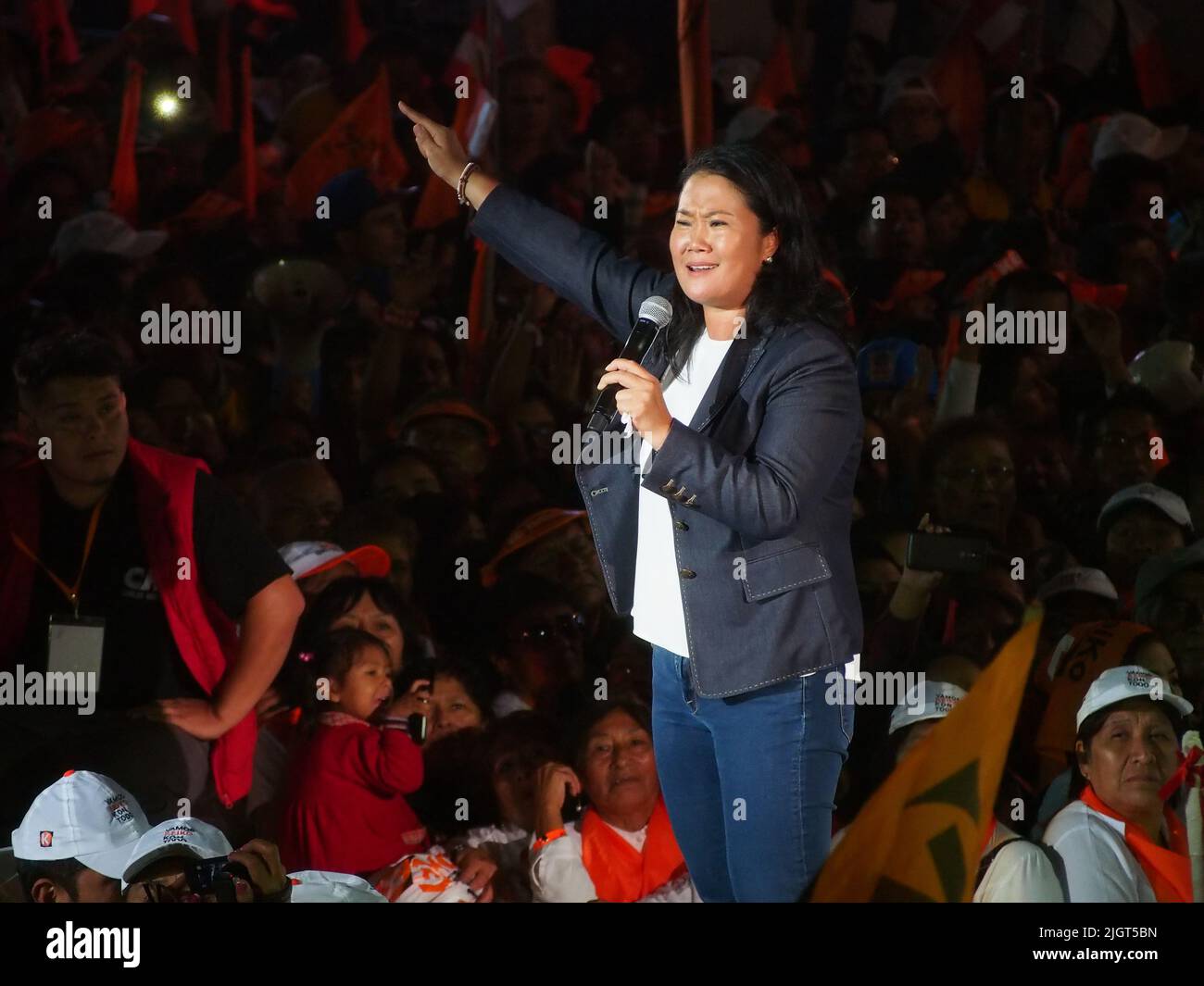
The transparency of this process is essential for maintaining public confidence in the democratic transition. Both candidates have repeatedly called for calm among their supporters, urging them to await the final verification of all votes. Despite these calls, the political polarization remains evident in the capital, Lima, where supporters of both factions have gathered outside electoral headquarters to monitor the updates.
Historical Context of Peruvian Runoffs
This election cycle follows a period of significant political instability in Peru, which saw multiple presidents within a single term. The current standoff between Fujimori and Castillo reflects a broader fragmentation of the political landscape, where traditional parties have struggled to maintain a cohesive platform. Political scientists often point to the 2016 and 2021 elections as evidence of a highly volatile electorate that is increasingly skeptical of centralized authority.
The role of the Tribunal Constitucional has also been cited in recent legal discussions regarding the limits of the electoral process. As the country approaches the final announcement, the focus remains on the JNE’s ability to resolve remaining disputes before the constitutional mandate for the new administration begins. Official updates regarding the final certification are published daily on the ONPE official portal, which serves as the primary source for accurate, real-time data.
Next Steps in the Electoral Timeline
The next major checkpoint in this process is the final resolution of all challenged actas by the JNE, which will then proceed to the official proclamation of the results. There is no set date for the conclusion of this process, as it depends on the volume of appeals submitted by the legal teams representing both campaigns. Once the JNE clears the final challenges, the electoral body is expected to announce the official winner of the presidency.
Citizens and international observers are encouraged to monitor the official ONPE website for verified updates on the vote count. We welcome your thoughts on the unfolding events in the comments section below, and invite you to share this report to help ensure accurate information reaches a wider audience during this critical time for Peruvian democracy.
Worth a look