
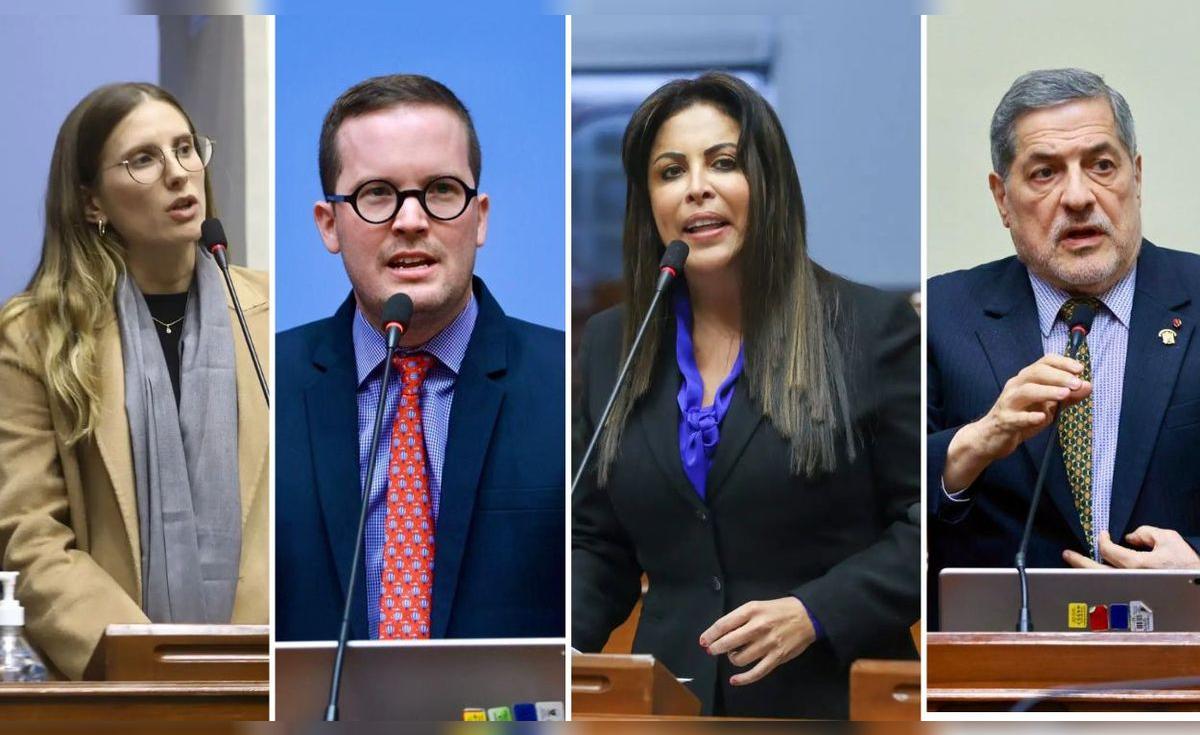
Peru’s Congress Sees Historic Turnover as Over 70% of Lawmakers Fail Reelection
LIMA — Peru’s unicameral Congress is set for a dramatic transformation as preliminary results from the April 12, 2026, legislative elections reveal that more than 70% of incumbent lawmakers failed to secure reelection. The sweeping turnover, one of the highest in the country’s recent political history, reflects widespread public dissatisfaction with the current legislature, which has been marred by corruption scandals, legislative gridlock, and repeated clashes with President Dina Boluarte’s administration.
The election, held under Peru’s proportional representation system, saw voters deliver a resounding rejection of established political figures, many of whom had campaigned aggressively for another term. While the final composition of the 2026-2031 Congress is still being certified by the National Office of Electoral Processes (ONPE), early tallies confirm that at least 92 of the 130 seats will be occupied by newcomers. The shift underscores a broader regional trend of anti-incumbent sentiment, but in Peru, the scale of the turnover is unprecedented.
“This is not just a change in faces; it’s a clear signal that Peruvians are demanding accountability and a break from the status quo,” said political analyst Patricia Zárate of the Institute of Peruvian Studies (IEP). “The next Congress will have to navigate a steep learning curve while addressing the very issues that led to this electoral upheaval.”
Why the Mass Rejection?
The high turnover rate is the result of several converging factors, chief among them the public’s growing frustration with Congress’s performance. The 2021-2026 legislature, dominated by fragmented political blocs, has been criticized for its inability to pass meaningful reforms, its role in deepening political instability, and its handling of high-profile corruption cases involving lawmakers.
One of the most contentious issues was the legislature’s repeated attempts to shield itself from accountability. In 2023, Congress approved a controversial law that granted itself immunity from prosecution for certain offenses, a move widely condemned as an attempt to evade justice. The law was later struck down by Peru’s Constitutional Court, but the damage to public trust had already been done. According to a November 2025 poll by Ipsos Perú, approval ratings for Congress hovered at just 12%, the lowest in a decade.
Economic concerns also played a significant role. Despite Peru’s status as one of Latin America’s fastest-growing economies in the early 2020s, persistent inequality, rising inflation, and stagnant wages have fueled discontent. Many voters blamed lawmakers for failing to address these issues, particularly in rural and working-class communities where poverty rates remain stubbornly high. “People are tired of empty promises,” said Lima resident María Rojas, a 42-year-old schoolteacher. “They want action, not more of the same.”
The electoral system itself may have contributed to the high turnover. Peru’s open-list proportional representation system allows voters to select individual candidates rather than party lists, which can disadvantage incumbents who lack strong personal brands. The 5% electoral threshold for parties to enter Congress has led to the fragmentation of political forces, making it harder for established figures to maintain their seats.
Who’s In, Who’s Out: Key Figures in the New Congress
The incoming Congress will feature a mix of political newcomers, returning veterans, and a handful of lawmakers with controversial pasts. Here’s a breakdown of the most notable shifts:

Lawmakers Who Failed to Secure Reelection
Among the high-profile incumbents who lost their seats are several figures who had grow synonymous with the outgoing Congress’s struggles:
- José María Balcázar (Perú Libre): The outgoing president of Congress, Balcázar was a polarizing figure who led the legislature through multiple crises, including the 2022 impeachment attempt against President Pedro Castillo and the subsequent political turmoil following Castillo’s removal. His defeat marks the end of an era for Perú Libre, the left-wing party that has seen its influence wane in recent years.
- Fernando Rospigliosi (Fuerza Popular): A former interior minister and key ally of Fuerza Popular, Rospigliosi had served as the first vice president of Congress since July 2025. His loss is a blow to the conservative bloc, which has been a dominant force in Peruvian politics for over a decade.
- Waldemar Cerrón (Perú Libre): The second vice president of Congress and brother of controversial former lawmaker Vladimir Cerrón, Waldemar Cerrón was a vocal critic of President Boluarte’s administration. His defeat reflects the broader decline of Perú Libre, which saw its seat count drop from 37 in 2021 to just 12 in the new Congress.
- Sigrid Bazán (Juntos por el Perú): A prominent left-wing lawmaker and former journalist, Bazán was known for her advocacy on social issues and her criticism of the government’s economic policies. Her loss leaves a gap in the progressive bloc, which will now have to rebuild with fewer seats.
Lawmakers Who Secured Another Term
Despite the high turnover, a handful of incumbents managed to retain their seats, often by leveraging strong regional support or shifting political alliances:
- Luis Aragón (Acción Popular): A veteran lawmaker from the northern region of Piura, Aragón has served in Congress since 2006. His reelection reflects his deep roots in his constituency and his ability to distance himself from the broader unpopularity of his party.
- María del Carmen Alva (Acción Popular): The former president of Congress (2021-2022), Alva is one of the few lawmakers to have successfully navigated the political turbulence of the past five years. She returns to Congress as a key figure in the centrist Acción Popular party.
- Hernando Guerra-García (Renovación Popular): A conservative lawmaker and former mayor of Lima’s San Isidro district, Guerra-García has positioned himself as a pragmatic voice within the right-wing Renovación Popular party. His reelection signals the party’s continued relevance despite broader anti-incumbent sentiment.
New Faces and Controversial Returns
The new Congress will also include several figures with checkered pasts, raising concerns about the legislature’s ability to restore public trust:

- Kenji Fujimori (Fuerza Popular): The son of former President Alberto Fujimori, Kenji Fujimori returns to Congress after a four-year absence. His political career has been marked by controversy, including his 2018 expulsion from Congress for alleged vote-buying. His comeback reflects Fuerza Popular’s efforts to rebrand itself ahead of the 2026 elections.
- Guillermo Bermejo (Bancada Magisterial): A former teacher and union leader, Bermejo was previously convicted of terrorism-related charges in the 1990s, though his conviction was later overturned. His election underscores the growing influence of the teachers’ union in Peruvian politics.
- Rosío Torres (Podemos Perú): A political newcomer and former television host, Torres campaigned on an anti-corruption platform. Her victory is seen as a sign of voters’ desire for fresh faces, though critics question her lack of legislative experience.
What This Means for Peru’s Political Future
The high turnover in Congress presents both opportunities and challenges for Peru’s political stability. On one hand, the influx of new lawmakers could inject fresh energy into a legislature that has been widely seen as ineffective. Many of the incoming lawmakers have campaigned on promises of transparency, economic reform, and greater accountability, issues that resonated with voters disillusioned by the outgoing Congress.
However, the fragmentation of political forces could also lead to continued gridlock. The new Congress will feature at least nine political blocs, with no single party holding a majority. This could make it tough to pass legislation, particularly on contentious issues such as constitutional reform, economic policy, and anti-corruption measures. “The next Congress will need to find common ground quickly, or risk repeating the mistakes of the past,” said Zárate of the IEP.

President Boluarte, whose approval ratings have also plummeted in recent months, will face a legislature that is even more unpredictable than the one she has dealt with since taking office in December 2022. While her administration has avoided direct confrontation with Congress in recent months, the new composition could either force her to seek broader alliances or deepen the political polarization that has defined her presidency.
One of the first tests for the new Congress will be the election of its leadership. The president of Congress, who also serves as the country’s second-in-line to the presidency, will play a crucial role in shaping the legislature’s agenda. Given the fragmented nature of the new Congress, the selection process is expected to be highly contentious, with multiple blocs vying for influence.
Public Reaction and What Comes Next
Public reaction to the election results has been mixed. While many Peruvians have expressed hope that the new Congress will bring change, others remain skeptical, pointing to the country’s long history of political instability, and corruption. “I voted for new faces, but I don’t know if they’ll be any different,” said Lima resident Carlos Mendoza, a 35-year-old taxi driver. “We’ve been disappointed before.”
The new Congress is set to be sworn in on July 26, 2026. In the meantime, lawmakers will initiate organizing their political blocs and preparing for the legislative session. One of the first orders of business will be the approval of the 2027 budget, a process that could set the tone for the new legislature’s relationship with the executive branch.
For Peruvians, the hope is that the new Congress will prioritize the issues that matter most to them: economic recovery, anti-corruption measures, and political stability. Whether the incoming lawmakers can deliver on these expectations remains to be seen, but one thing is clear: the status quo is no longer acceptable.
Key Takeaways
- Historic Turnover: Over 70% of incumbent lawmakers failed to secure reelection, marking one of the highest turnover rates in Peru’s recent political history.
- Public Discontent: The election results reflect widespread dissatisfaction with Congress’s performance, particularly its handling of corruption and economic issues.
- New Faces, Old Problems: The incoming Congress will feature a mix of political newcomers and controversial figures, raising questions about its ability to restore public trust.
- Fragmented Legislature: With no single party holding a majority, the new Congress could struggle to pass legislation, potentially leading to continued gridlock.
- Challenges Ahead: The new legislature will face immediate tests, including the election of its leadership and the approval of the 2027 budget.
What’s Next?
The new Congress will be sworn in on July 26, 2026. In the coming weeks, lawmakers will begin organizing their political blocs and preparing for the legislative session. The election of the Congress’s leadership, including the president of Congress, will be one of the first major tests for the new legislature. For updates on the transition and the new Congress’s agenda, readers can follow the official website of the Peruvian Congress.
As Peru navigates this period of political change, the world will be watching to witness whether the new Congress can break the cycle of instability and deliver on the promises that brought its members to power. For now, the message from voters is clear: the time for reform is now.
What do you think about the high turnover in Peru’s Congress? Will the new lawmakers bring the change voters are hoping for? Share your thoughts in the comments below and join the conversation on social media.