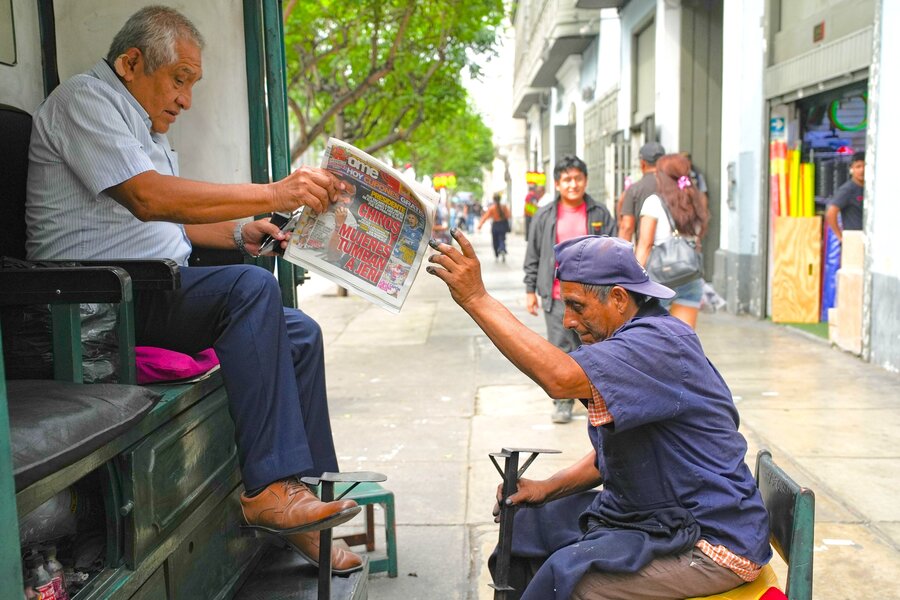
Lima, Peru – The political landscape of Peru remains in a state of persistent flux, with the recent appointment of José María Balcázar as interim president marking the ninth leader in a decade. This ongoing instability underscores a complex interplay of factors – from deep-seated corruption and economic disparities to shifting geopolitical influences – that are challenging the foundations of Peruvian democracy. As the nation prepares for elections scheduled for April, with a potential runoff in June, the question of whether a stable, reform-minded leader can emerge to address these systemic issues looms large. The sheer number of candidates – a record-breaking 36 – reflects a fragmented political field and a significant degree of voter uncertainty.
The rapid turnover of presidents has become a defining characteristic of Peruvian politics in recent years. Balcázar’s predecessor, Dina Boluarte, was ousted after only four months in office following allegations of illicit meetings with a Chinese businessman, as reported by multiple news outlets. The Guardian and EL PAÍS English both reported on the swift succession.
A History of Instability and the Search for Reform
Peru’s political turmoil is not unique within Latin America, a region grappling with a complex set of challenges. Increasing crime rates, persistent corruption, uneven economic development, and the growing influence of external powers like China and the United States all contribute to the instability. Though, despite these pressures, a significant majority – 78% – of Latin American countries maintain relatively fair election processes, according to regional analyst Sara Benítez-Mongelós. This resilience, she argues, stems from a deep-seated belief in the importance of elections as a symbol of political renewal, particularly given the region’s history of military rule and coups. Benítez-Mongelós’s analysis was originally published on the Global Campus of Human Rights site.
The upcoming elections are particularly noteworthy due to the sheer number of candidates vying for the presidency. With 36 individuals on the ballot, a substantial proportion of voters – approximately 29% – remain undecided, and another 18% have indicated they may abstain or submit a null vote, according to polling data from January. This widespread indecision highlights the deep-seated distrust in the political establishment and the difficulty in identifying a candidate capable of addressing the nation’s multifaceted problems.
Positive Developments: A Renewed Legislature and Economic Growth
Amidst the political uncertainty, Notice glimmers of hope for Peru. One significant development is the planned return of a bicameral legislature, a system that was abolished in the 1990s. This recent structure, which will consist of 30 senators elected from local constituencies and another 30 elected nationally, is intended to counterbalance the potential for political polarization in a single-house legislature, foster more robust policy debate, and ultimately build greater public trust in governance. The five-year terms for senators are also designed to provide a degree of stability often lacking in Peruvian politics.
Peru’s economy has shown signs of resilience. The country experienced a growth rate of 2.7% in 2022, which increased to 3.3% in 2024. Al Jazeera reported on this economic performance. Inflation remains low, and the Peruvian Sol maintains a stable value, supported by a diversifying foreign trade portfolio encompassing both agricultural products and mining resources. This economic stability provides a foundation for potential future growth and development.
The Enduring Challenge of Corruption
Despite these positive indicators, Peru, like many other nations in Latin America, continues to grapple with the pervasive issue of corruption. This corruption manifests in various forms, ranging from large-scale international financial crimes to petty extortion at the local level. Combating this deeply entrenched problem has become increasingly difficult, particularly in light of declining support from the United States for anti-corruption initiatives, financial tracking efforts, and prosecution services in the region.
However, as Peruvian-born analyst Martin Cassinelli of the Atlantic Council has observed, a strong “democratic reflex” persists within Peruvian society. Cassinelli noted that Peruvians consistently take to the streets to protest corruption and demand a competent state. His analysis, following the youth-led pro-democracy protests last fall, emphasizes that the key challenge lies in identifying a democratic and reformist leader who is willing and able to rebuild Peru’s democratic institutions and serve a full five-year term.
The Role of Civic Engagement and Institutional Reform
The high number of candidates in the upcoming presidential election underscores the diverse range of civic and political interests at play in Peru. This fragmented landscape presents both a challenge and an opportunity. While it reflects a lack of consensus around a single leader, it also demonstrates a vibrant and engaged citizenry. The return to a bicameral legislature is a crucial step towards institutional reform, potentially fostering greater accountability and more effective governance. However, the success of this reform will depend on the willingness of elected officials to prioritize the national interest over partisan politics.
Addressing the issue of corruption will require a multi-faceted approach, including strengthening judicial independence, enhancing transparency in government operations, and increasing international cooperation to combat illicit financial flows. Fostering a culture of ethical leadership and promoting civic education are essential for long-term sustainable change. The ongoing economic growth provides a valuable opportunity to invest in these critical areas and build a more resilient and equitable society.
The next key date for Peru is the presidential election in April, followed by a potential runoff in June. The outcome of these elections will be pivotal in determining the country’s trajectory for the next several years. As Peru navigates this period of political and economic uncertainty, the resilience of its democratic institutions and the engagement of its citizens will be crucial in shaping a more stable and prosperous future. We encourage readers to share their thoughts and perspectives on the challenges and opportunities facing Peru in the comments below.
Keep reading
- OCC Grants Preliminary Approval for World Liberty Trust Co. Bank Charter
- San Francisco Couple Finds Mysterious 150-Pound Stone Sculpture Buried in Backyard
- What Holds Matter Together? Physicists Find Breakthrough Evidence After 50 Years (archyworldys.com)
- Bird Flu Crisis in Australia: Outbreaks, Vaccines, and Event Cancellations (newsdirectory3.com)