
The presence of pests such as cockroaches, bed bugs, and flies in medical facilities presents a complex clinical challenge that balances genuine hygiene concerns with the often-overstated risk of direct disease transmission. While the sight of insects in a healthcare setting is universally viewed as an indicator of poor sanitation, public health data suggests that the direct link between hospital-acquired infections and specific pest infestations remains difficult to quantify in clinical practice. According to the Centers for Disease Control and Prevention (CDC), while hospitals must maintain rigorous environmental controls to ensure patient safety, the primary vectors for healthcare-associated infections (HAIs) remain contaminated medical equipment, improper hand hygiene, and the physical environment itself rather than insect vectors.
For patients and their families, the “ick factor” of insects in a clinical environment is immediate and understandable, yet the clinical reality requires a more nuanced approach from hospital administration and infection control teams. In professional healthcare settings, the appearance of pests is treated as a breach of facility management protocols. However, identifying whether these insects are actively spreading pathogens requires specialized environmental sampling, which is rarely performed unless a specific cluster of infections is identified by an epidemiology team. As noted by the World Health Organization (WHO) in its guidelines on core components of infection prevention and control, environmental hygiene is a pillar of patient safety, yet the focus remains on high-touch surfaces and water systems rather than pest management.
The Clinical Reality of Pest Infestations in Healthcare
When pests are detected in a hospital or clinic, the immediate response is typically integrated pest management (IPM), a systematic approach that prioritizes non-chemical interventions before moving to targeted pesticide application. The challenge for medical facilities is that the very features that make a hospital efficient—complex ventilation systems, abundant water sources, and high-traffic food delivery—also provide ideal conditions for pests to thrive. According to the Environmental Protection Agency (EPA), IPM in sensitive environments like hospitals requires a delicate balance to avoid the use of chemical sprays that could potentially affect patients with respiratory sensitivities or chemical allergies.

The clinical concern regarding insects like cockroaches or flies centers on their potential to act as mechanical vectors—carrying bacteria on their bodies from one location to another. While studies have shown that cockroaches can harbor antibiotic-resistant bacteria, there is a lack of robust, large-scale clinical evidence demonstrating that their presence in a modern, well-maintained hospital directly causes a rise in HAI rates. Most infection control specialists argue that the presence of pests is a symptom of a failing environmental maintenance program rather than the primary cause of a clinical infection outbreak.
Regulatory Standards for Hospital Sanitation
Hospitals operate under strict regulatory oversight, with accreditation bodies such as The Joint Commission requiring that facilities maintain a safe and sanitary environment. If a hospital fails to control a pest infestation, it faces not only reputational damage but also potential sanctions during unannounced site surveys. According to The Joint Commission, environmental management standards are designed to prevent hazards that could compromise patient care, and facilities are expected to have documented logs of pest control activities.
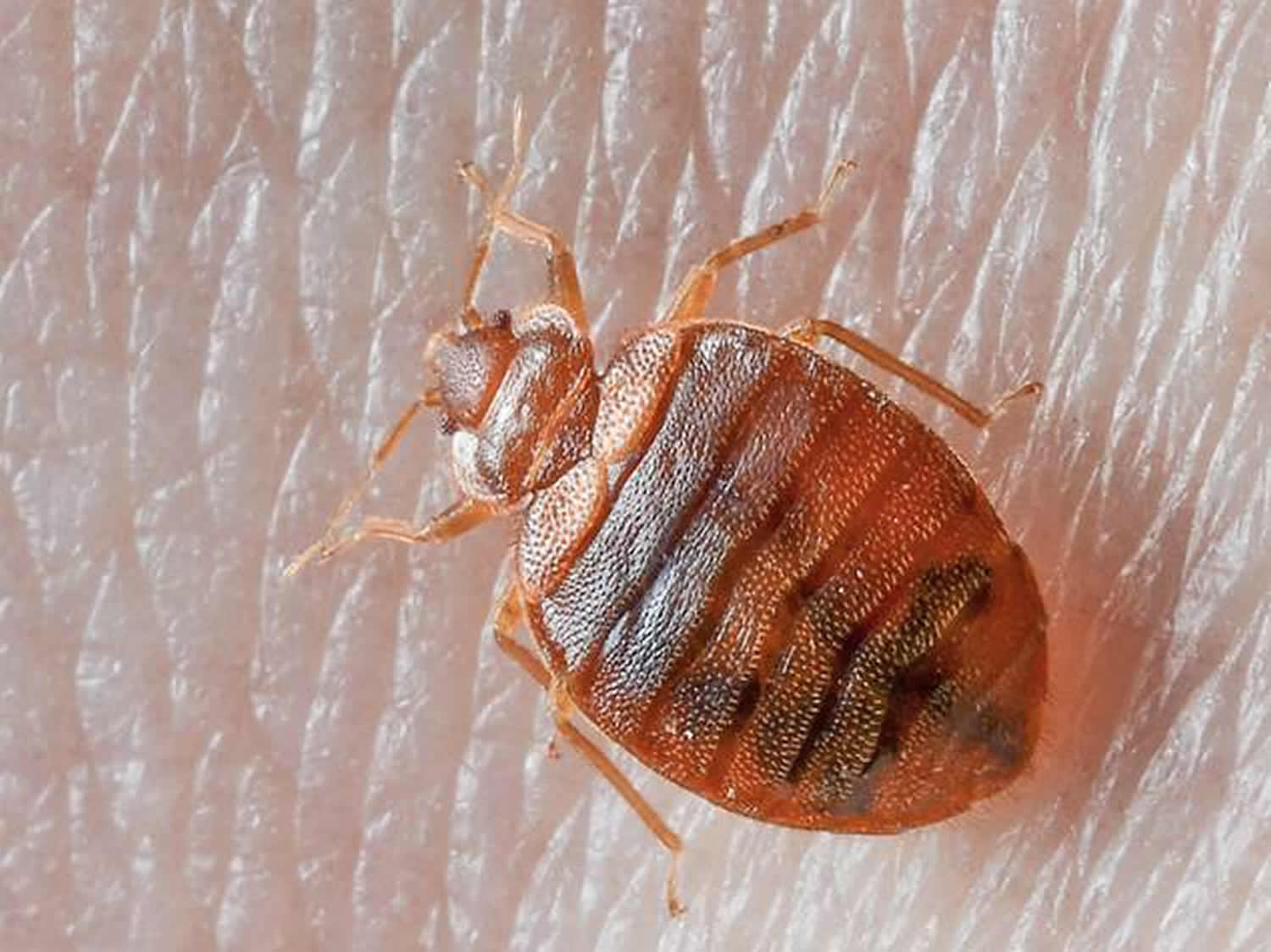
These regulatory mandates force hospitals to prioritize proactive measures. This includes sealing structural cracks, managing food waste in patient wards, and ensuring that laundry services—a common entry point for bed bugs—are strictly separated from clean clinical areas. The effectiveness of these measures is reviewed during regular facility audits, which are essential for maintaining the hospital’s licensure. When a breach occurs, the facility is required to implement a corrective action plan that may include increased frequency of inspections and professional extermination services.
Risk Assessment: Perception Versus Pathogen Exposure
The discrepancy between the perceived danger of insects and the actual clinical risk often stems from the different ways patients and doctors view the hospital environment. To a patient, a single fly in a sterile room is a sign that the facility is not clean, which can erode trust in the clinical team. To an infectious disease expert, the risk posed by that fly is negligible compared to the risk posed by a healthcare worker failing to sanitize their hands before changing a wound dressing. According to the New England Journal of Medicine, the vast majority of hospital-acquired infections are linked to biofilms on medical devices or the transmission of bacteria via human contact, not via insect vectors.
This does not mean hospitals should ignore pest presence. Instead, it means that the response should be proportionate to the risk. A single, isolated encounter with an insect is an environmental maintenance issue, whereas a persistent infestation suggests a systemic failure in facility infrastructure. For families concerned about the cleanliness of a medical environment, the best course of action is to communicate these concerns directly to the hospital’s patient advocacy office or the facility’s infection control department, which are tasked with addressing environmental safety concerns.
What Happens Next for Hospital Environmental Control
As hospitals continue to modernize, the focus is shifting toward “smart” environmental monitoring. This includes the use of motion-activated cameras and automated traps that can alert facility managers to pest activity in real-time, allowing for a surgical strike on the problem before it becomes an infestation. These technologies are increasingly being integrated into the broader framework of hospital digital infrastructure, providing data that can be used to improve sanitation workflows.
The next major checkpoint for hospital safety standards will likely involve updated guidance on the integration of environmental health and clinical outcomes. As research into the hospital microbiome continues, we may see more specific mandates regarding how environmental pests are monitored and reported. For now, the best defense remains rigorous adherence to established sanitation protocols and transparent communication between patients and hospital administration. Readers are encouraged to share their experiences with hospital environmental standards in the comments section below or join the conversation on our social media platforms as we continue to track developments in global healthcare safety and facility management.
Keep reading
- Ted Lasso Season 4: Jason Sudeikis Returns for a Brand New Coaching Challenge on Apple TV
- Heatwave in Lombardy: Health Risks, “Heat Code” Tips, and Weather Forecast
- FDA Approves Groundbreaking mRNA Vaccine Booster for Adults 50+, Boosting Immunity and Protecting Against Chronic Health Risks (archyworldys.com)