A Clash of Perspectives: Military Fitness,Modern Warfare,and Domestic Deployment
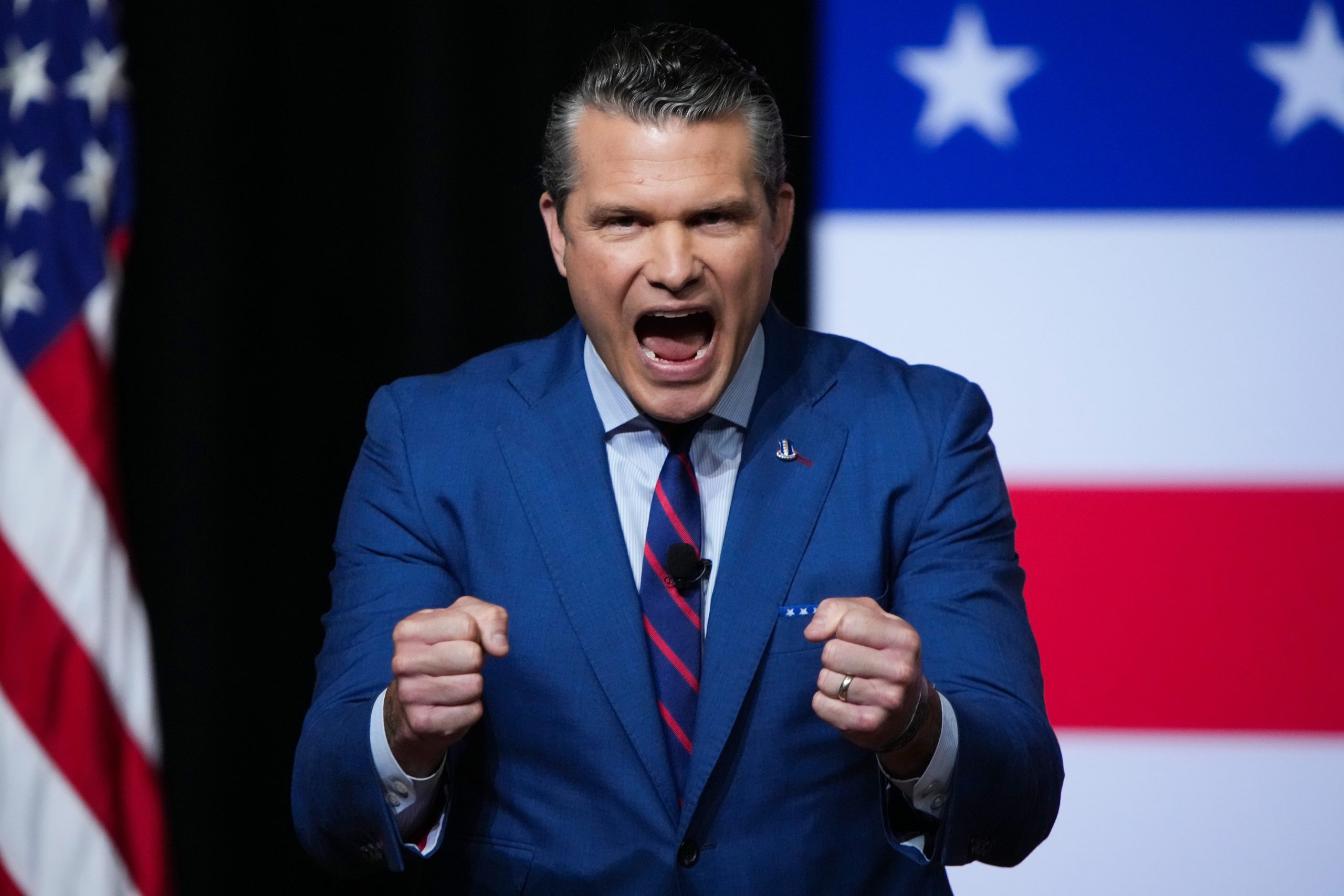
Recent discourse surrounding military readiness and the role of the armed forces domestically has ignited a heated debate,revealing a significant disconnect between perceptions of military service and the realities of modern warfare. A particularly pointed exchange began with comments made during a speech to military generals, sparking widespread criticism and highlighting evolving understandings of what constitutes a capable fighting force.
Challenging Traditional Notions of Military Fitness
The core of the controversy centers on differing views of physical fitness within the military. Some advocate for a return to rigorous physical standards, envisioning soldiers as exemplars of peak physical condition. However, this perspective overlooks the increasingly specialized nature of modern military roles.
It’s a common misconception that all service members require the same level of intense physical training. The vast majority now serve in roles demanding technical expertise, analytical skills, and specialized knowledge – areas where hours spent perfecting a physique are less valuable than proficiency in fields like cybersecurity, logistics, or intelligence.
Consider these points:
* The Modern Military is Diverse: A significant portion of personnel work in non-combat positions, requiring skills far removed from traditional battlefield demands.
* Technical Skills are Paramount: Expertise in IT, data analysis, and engineering are crucial for maintaining a technological edge.
* Physical Requirements vary: different roles necessitate different physical capabilities; a cyber warfare specialist’s fitness regime will differ drastically from a Marine’s.
You might be surprised to learn that many highly skilled personnel dedicate their off-duty time to pursuits outside of traditional athletic training. Their passions and hobbies – from coding and gaming to model building and attending conventions – don’t diminish their value to national security. Actually, these interests can foster creativity, problem-solving skills, and a broader perspective.
The Debate Extends to Domestic Deployment
the discussion took a further turn when proposals emerged regarding the potential use of federal troops within U.S. cities.This idea, presented as a means of addressing domestic challenges, raises serious concerns about the militarization of civilian law enforcement and the erosion of established legal protocols.
Specifically, the suggestion to utilize military personnel for tasks like clearing homeless encampments, arresting immigrants, or suppressing protests is deeply problematic. It blurs the lines between military and police functions, potentially violating the Posse Comitatus Act, which generally prohibits the use of the U.S. armed forces for domestic law enforcement purposes.
Furthermore, framing cities as “training grounds” for the military is a perilous proposition.It suggests a disregard for the rights and safety of American citizens and risks escalating tensions between communities and the armed forces.
Here’s why this approach is concerning:
* Erosion of Civil Liberties: Deploying troops for domestic law enforcement can infringe upon citizens’ constitutional rights.
* Militarization of Police: It blurs the lines between military and civilian authority, potentially leading to an overreliance on force.
* Damage to Public Trust: Using the military against its own citizens can erode trust and exacerbate social divisions.
A Need for Informed Discussion
Ultimately, this exchange underscores the importance of a nuanced and informed discussion about the role of the military in the 21st century. It’s crucial to move beyond outdated stereotypes and recognize the evolving nature of warfare, the diverse skills of service members, and the potential dangers of militarizing domestic policy.
you deserve a clear understanding of these issues. A strong national defense requires not only a well-equipped and well-trained military but also a citizenry that understands the complexities of modern security challenges and the importance of upholding constitutional principles.
Moving forward, let’s prioritize informed dialogue, respect for diverse perspectives, and a commitment to safeguarding both national security and civil liberties.
Related reading