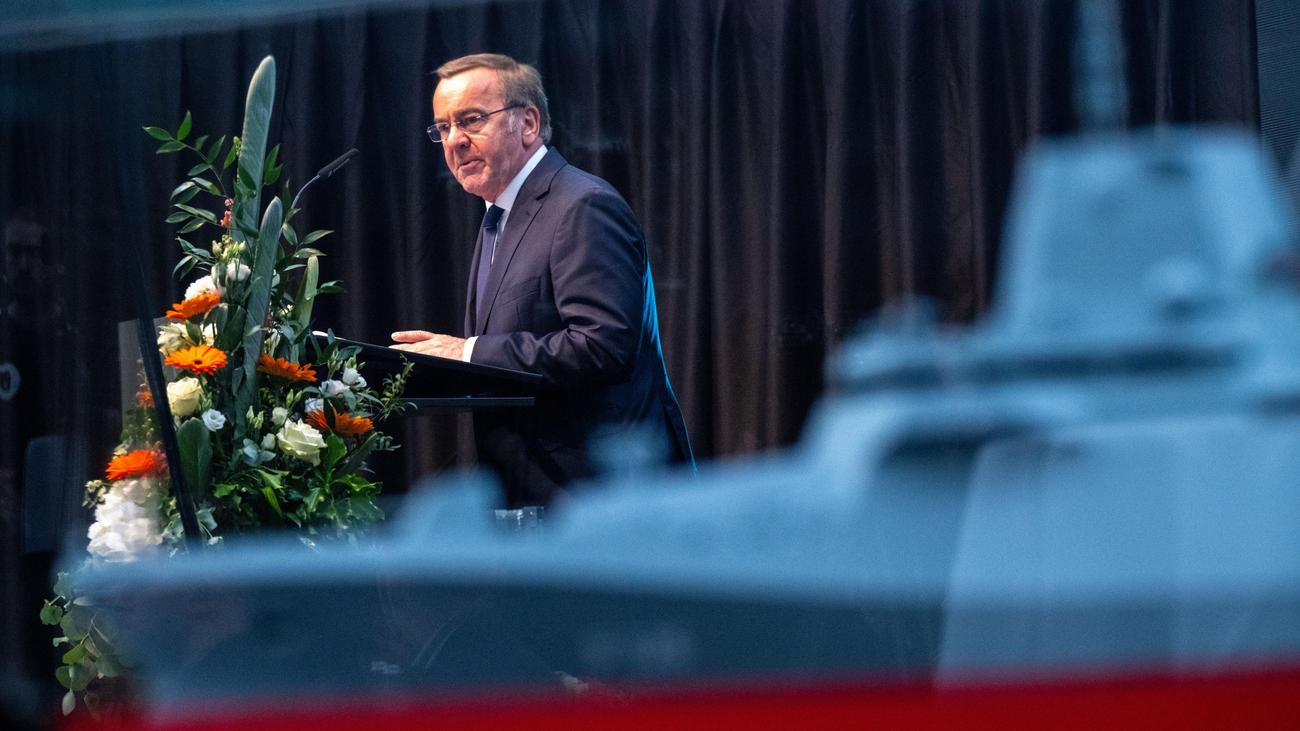
German Defense Minister Boris Pistorius has formally rejected allegations regarding the procurement process of the F126 frigate project, asserting that the contractual framework remains stable and on schedule. The rebuttal follows recent public scrutiny, including claims from legal representatives regarding the nature of past contract negotiations and the status of the German Navy’s largest shipbuilding project to date.
The F126 project, intended to replace the Brandenburg-class frigates, represents a significant modernization effort for the Deutsche Marine. According to the German Federal Ministry of Defence, the project aims to deliver four highly versatile vessels capable of global deployment, with an option for two additional ships. The total volume of the contract is estimated in the billions of euros, reflecting the complexity and strategic importance of the naval expansion program.
Project Scope and Strategic Importance
The F126 frigates are designed to operate in a wide variety of maritime environments, from littoral zones to open-ocean conditions. The development of these vessels is managed by the Dutch shipbuilder Damen Naval, which won the European-wide tender process in 2020. The project is notable not only for its scale but also for the extensive involvement of German industrial partners, including Blohm+Voss, to ensure domestic maritime expertise is maintained.
Official records from the Bundeswehr confirm that the first ship is expected to be delivered in 2028. The modular design of the F126 allows for the integration of various mission-specific equipment, a requirement mandated by the German military to address evolving security threats in the North Atlantic and beyond. The procurement strategy has been subject to rigorous oversight by both the Federal Audit Office and the Bundestag’s Budget Committee, ensuring that project milestones remain aligned with budgetary constraints.
Addressing Contractual Allegations
Recent discourse regarding the project has involved questions about the history of the procurement contracts. Defense Minister Pistorius, during recent parliamentary inquiries and public addresses, has maintained that the current project trajectory is legally sound. The minister’s defense of the process serves as a direct response to external criticisms regarding the transparency and the competitive nature of the original bidding process conducted prior to his tenure.
The ministry has consistently emphasized that the selection of Damen Naval followed strict European Union procurement directives. By adhering to these regulations, the government aimed to balance cost-efficiency with the need for high-end military capability. Any suggestions that the contract was terminated or fundamentally altered due to irregular processes have been dismissed by ministry officials, who point to the ongoing construction phases as evidence of the contract’s continued validity.
Financial Oversight and Future Milestones
The financial integrity of the F126 project is monitored through the Bundestag’s Budget Committee, which must approve any significant deviations from the original spending plan. As of early 2024, the project remains within the approved financial framework, a factor that the Ministry of Defence highlights as critical to its ongoing support in the legislature. The complexity of the project, involving thousands of individual components and international supply chains, necessitates constant coordination between the Federal Office of Bundeswehr Equipment, Information Technology and In-Service Support (BAAINBw) and the prime contractor.

The next major checkpoint for the F126 program involves the formal keel-laying ceremonies and the subsequent testing of the combat management systems. These milestones are scheduled to occur throughout 2025 and 2026, providing further opportunities for parliamentary and public oversight. For stakeholders and industry observers, the progress of these ships serves as a barometer for the broader efforts to modernize the German armed forces under the current defense policy framework.
Further updates regarding the procurement timeline and budgetary reports are periodically released through the Federal Ministry of Defence portal. As construction continues at shipyards in Wolgast, Kiel, and Hamburg, the ministry remains focused on meeting the 2028 delivery deadline for the first unit, the FGS Niedersachsen.
Readers interested in the ongoing development of the F126 project are encouraged to monitor official government press releases and the minutes of the Bundestag’s defense committee hearings for verified data on project status and expenditure.
Keep reading