
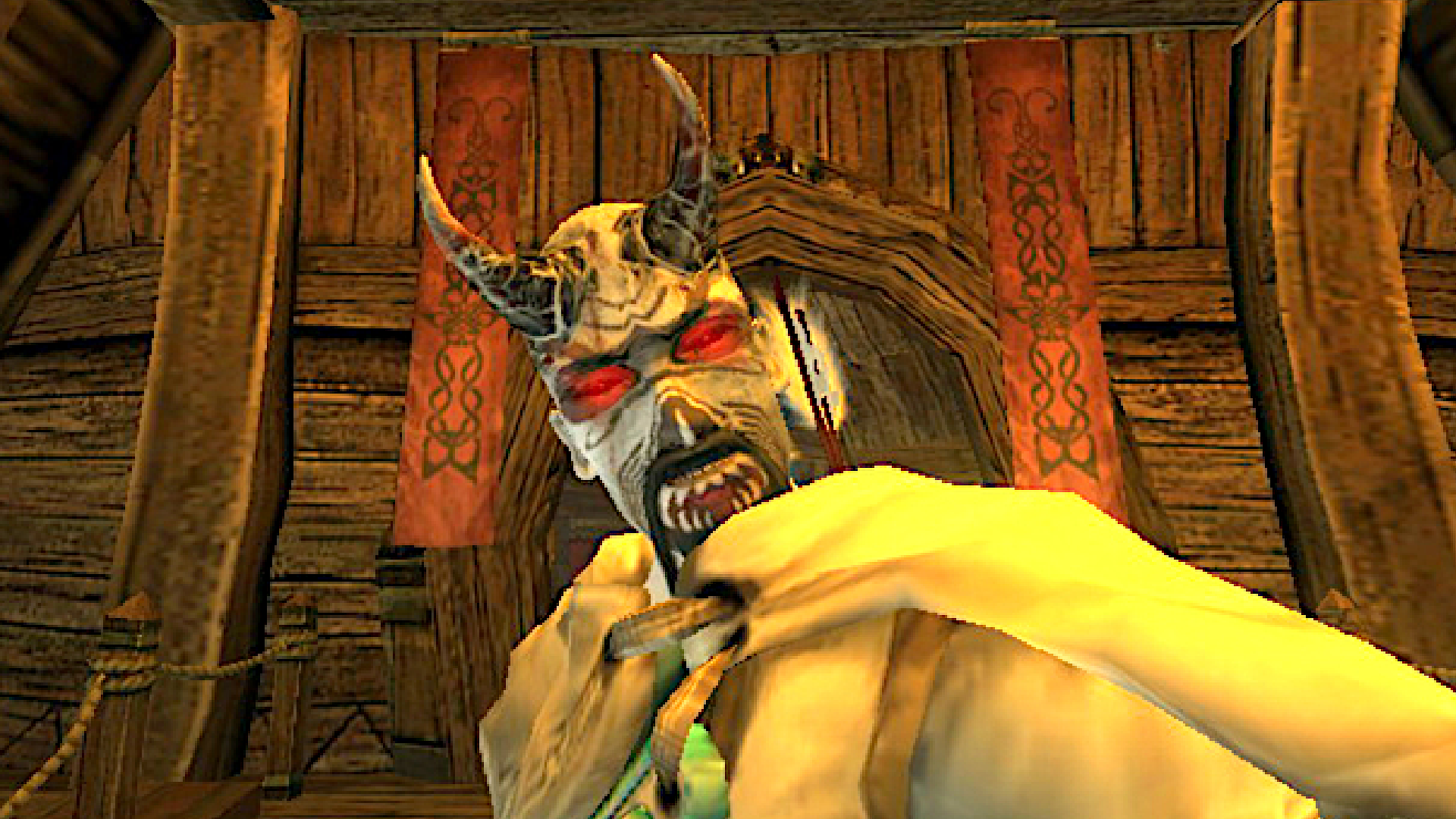
Fable creator Peter Molyneux has expressed disappointment that the upcoming reboot from Playground Games will not feature the iconic horns-and-halo morality system from the original series. In an interview with IGN, Molyneux described the change as “a real shame,” noting that the visual representation of morality was a defining characteristic of the franchise.
The original Fable games, last released in 2010, used a clear visual system where performing quality deeds would cause a halo to appear above the player’s character, while evil actions would result in the growth of devil horns. This immediate feedback mechanism was praised for making moral choices tangible and memorable.
Playground Games, the studio developing the reboot, has confirmed that the modern Fable will include a morality system but will move away from the binary representation. Studio head Ralph Fulton explained in January that the approach will focus on “shades of grey,” reflecting the subjective nature of morality in real-world contexts.
“There’s no objective good, there’s no objective evil,” Fulton stated. “You couldn’t get everyone in the world to agree that something is evil or something is good. That just doesn’t happen. That diversity of opinion I think is really clear these days.”
This shift means that how non-player characters perceive the player will depend on individual beliefs and values within the game world, rather than a universal moral alignment. As Fulton put it, “one man’s angel is another man’s devil” in the new interpretation.
Molyneux acknowledged the technical challenges behind the decision, suggesting that implementing the original system in high-definition graphics while accounting for diverse character models would significantly increase development complexity. “It’s hard to do that because to do it well in today’s incredibly high definition world just makes it more tricky,” he said. “And to do that and to allow different genders, that doubles and triples your function.”
Despite his reservations, Molyneux expressed hope that some form of moral alignment would still be present in the reboot. “I wonder if there is going to be a little bit of evil alignment and good alignment in there. I hope so,” he told IGN.
The reboot, simply titled Fable, is currently scheduled for release sometime in 2026, though no exact date has been announced. It marks the first mainline entry in the series since Fable: The Journey in 2012, though the last numbered entry was Fable III in 2010.
Meanwhile, Molyneux’s own project, Masters of Albion, launched into early access on Steam earlier this week. Described by the developer as his “swansong,” the god-simulation game has received early feedback from critics, including PC Gamer’s Shaun Prescott, who noted that while the title remains in a rough state, it shows promise as a return to form for the designer.
The evolution of the Fable franchise reflects broader trends in game design, where developers are increasingly exploring nuanced moral systems that avoid simplistic good-versus-evil dichotomies. This approach aligns with narrative trends in other major releases that emphasize player agency and contextual decision-making.
As development continues, fans of the original series will be watching closely to see how the reboot balances innovation with the preservation of elements that made the franchise distinctive. The absence of the visual morality system represents one of the most significant departures from the series’ established identity.
For updates on the Fable reboot’s development and release timeline, players can follow official announcements from Xbox Game Studios and Playground Games through their respective channels.
What aspects of the original Fable games do you hope to see preserved in the reboot? Share your thoughts in the comments below and join the conversation about the future of this beloved franchise.