Colombia’s Upcoming Elections Amidst Fraud Allegations and Political Tensions
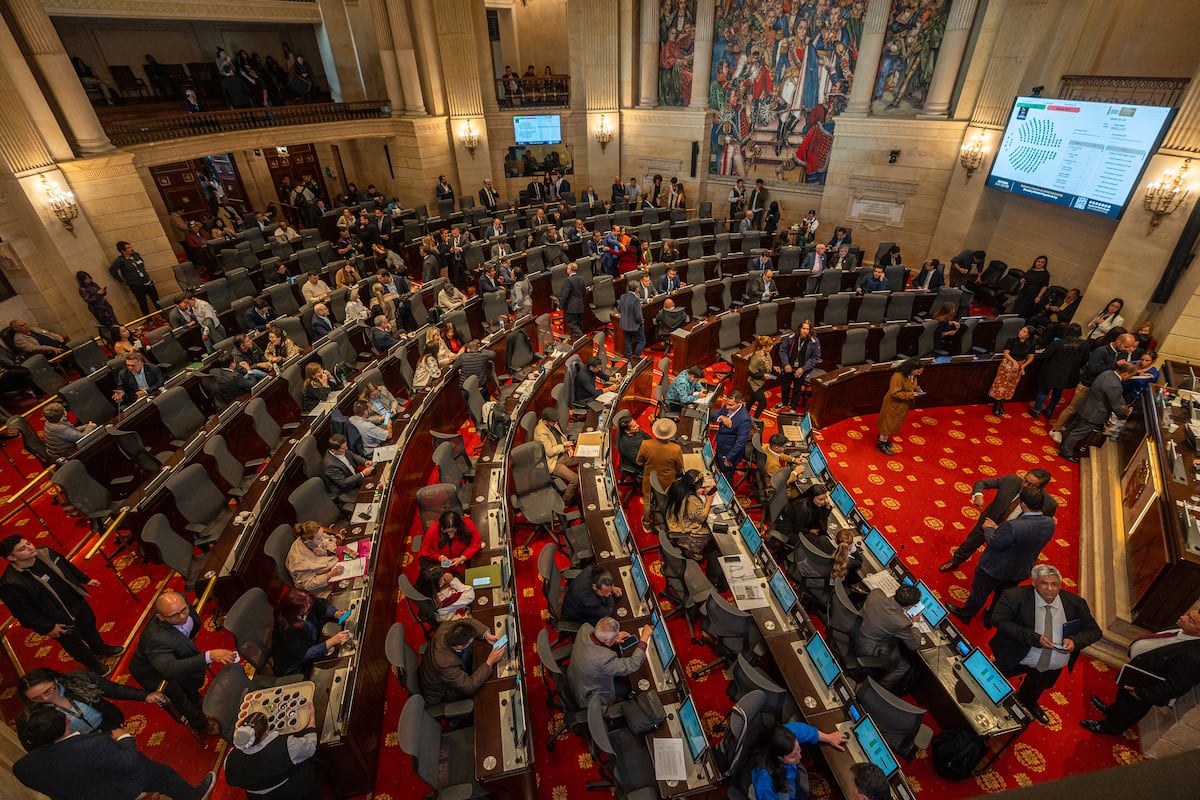
Bogotá – As Colombia prepares for crucial legislative elections on March 8th, a cloud of controversy hangs over the electoral process, fueled by persistent allegations of fraud and escalating tensions between President Gustavo Petro and his political opponents. The upcoming vote, which will determine the composition of the novel Congress and include several presidential consultations, is being closely watched both domestically, and internationally. President Petro has repeatedly voiced concerns about the integrity of the electoral system, although former President Iván Duque has accused Petro of undermining public trust with unsubstantiated claims of electoral manipulation. This heightened political climate raises questions about the fairness and transparency of the upcoming elections and the future of Colombia’s democratic institutions.
The current dispute stems from long-standing grievances regarding the 2022 presidential election, where Petro secured a historic victory. He has consistently asserted that a significant amount of votes – approximately 640,000 – were fraudulently diverted from his Pacto Histórico coalition to benefit the Partido de la U during the 2022 elections. This claim, however, is contested by Duque, who has vehemently criticized Petro for sowing doubt about the electoral process. The debate underscores a deep-seated political polarization that threatens to destabilize Colombia’s democratic foundations.
Petro’s Accusations Against the CNE and Duque
President Petro’s criticisms have been largely directed towards the National Electoral Council (CNE), which he accuses of political interference. He alleges that the CNE is making decisions that unfairly disadvantage the Pacto Histórico, citing recent rulings regarding Senator Iván Cepeda and the cancellation of lists for the Chamber of Representatives. Speaking from Washington D.C. In early February, Petro claimed the CNE was “doing politics and not acting as an impartial electoral arbiter.” He further linked these actions to the influence of his predecessor, Iván Duque, suggesting that the CNE’s decisions are aimed at reversing the progress made under his administration.
Duque, in response, has strongly defended the integrity of Colombia’s electoral system, which he describes as “recognized worldwide for its transparency.” He criticized Petro’s narrative of fraud as dangerous and irresponsible, particularly in the lead-up to the elections. The exchange highlights a broader ideological clash between the two leaders, with Petro representing a left-wing agenda focused on social justice and Duque embodying a more conservative approach.
The 2022 Election Discrepancy and the “Registraduría Propia” Proposal
The core of Petro’s allegations centers around a discrepancy in the vote count from the 2022 Senate elections. While the initial pre-count by the Registraduría Nacional del Estado Civil (National Registry Office) indicated approximately 2.3 million votes for the Pacto Histórico, the final, official count after numerous challenges and reviews, rose to nearly 2.9 million votes. This increase, according to Petro, demonstrates the potential for manipulation and underscores the need for greater oversight of the electoral process.
In response to these concerns, the Pacto Histórico has proposed the creation of a “registraduría propia” – essentially, an independent electoral body controlled by the coalition. This proposal has been met with resistance from opposition parties, who view it as an attempt to politicize the electoral administration and undermine its impartiality. The debate over the “registraduría propia” reflects a fundamental disagreement about the best way to ensure the integrity of Colombia’s elections.
Recent Developments and Ongoing Investigations
Adding to the political turmoil, the Supreme Court has recently launched an investigation into David Racero, a prominent member of the Pacto Histórico, over labor-related allegations. Details surrounding the investigation remain limited, but it adds another layer of complexity to the already fraught political landscape.
President Petro’s recent trip to the United States, where he voiced his criticisms of the CNE, has drawn criticism from some quarters. Opponents argue that it was inappropriate for the President to air these grievances on foreign soil, potentially damaging Colombia’s international reputation. However, Petro defended his actions, stating that he was simply highlighting the challenges facing Colombia’s democracy.
Implications for the Upcoming Elections
The ongoing controversy surrounding the electoral process poses a significant threat to the legitimacy of the upcoming elections. If voters lose confidence in the fairness and transparency of the system, it could lead to decreased participation and increased political instability. The accusations of fraud and political interference have already fueled distrust and polarization, making it more hard to build consensus and address the country’s pressing challenges.
The CNE faces a critical test in ensuring that the March 8th elections are conducted in a fair and transparent manner. It must address the concerns raised by President Petro and his supporters while maintaining its independence and impartiality. The outcome of the elections will have far-reaching consequences for Colombia’s political future, and it is essential that the process is perceived as legitimate by all stakeholders.
Key Takeaways
- President Gustavo Petro has repeatedly alleged fraud in past elections and accuses the CNE of political bias.
- Former President Iván Duque defends the integrity of Colombia’s electoral system and criticizes Petro’s claims.
- The Pacto Histórico has proposed creating an independent electoral body (“registraduría propia”) to address concerns about transparency.
- The Supreme Court is investigating David Racero, a member of the Pacto Histórico, over labor-related allegations.
- The upcoming legislative elections on March 8th are crucial for Colombia’s political future and face challenges related to public trust.
The next key date to watch is March 8th, the day of the legislative elections. Following the elections, the CNE will be responsible for certifying the results and addressing any potential challenges. The outcome of these elections and the subsequent actions of the CNE will be critical in determining the future of Colombia’s democracy. We encourage readers to share their thoughts and engage in constructive dialogue about these essential issues in the comments below.