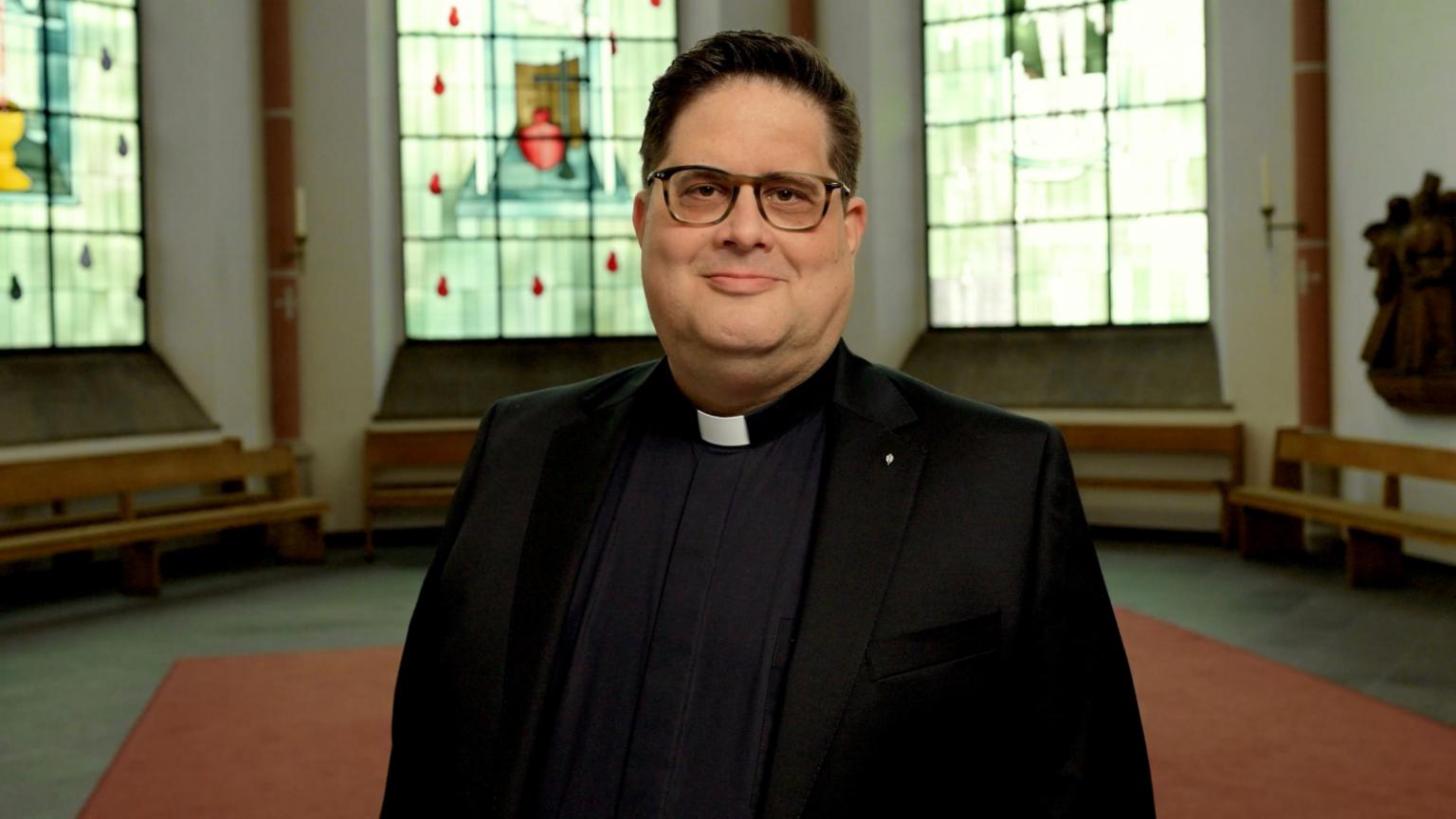
In a significant development within the Catholic Church’s administrative hierarchy, the Archdiocese of Cologne has announced the appointment of Pfarrer Tobias Hopmann as its new General Vicar, effective June 1, 2026. This leadership transition marks a pivotal moment for the diocese, as it reshapes the structure of one of Germany’s most influential ecclesiastical regions. The announcement, published in the Official Gazette of the Archdiocese of Cologne, underscores the strategic realignment of roles within the diocese’s governance, particularly in light of recent administrative reforms and the evolving needs of the Cologne Cathedral and its surrounding communities.
The appointment of Hopmann follows the departure of Monsignor Guido Assmann, who has served as General Vicar since 2022 while simultaneously holding the position of Dompropst (Dean of the Cathedral Chapter) at the Cologne Cathedral. Assmann’s dual role was a temporary measure introduced during a period of structural overhaul in the diocese, spearheaded by Archbishop Rainer Maria Cardinal Woelki. In a statement, Cardinal Woelki acknowledged Assmann’s contributions, noting that his leadership was instrumental in modernizing the diocese’s administrative framework. However, the cardinal emphasized that the “challenges at the Cologne Cathedral now demand the Dompropst’s undivided attention.”
Hopmann, currently the parish priest in Euskirchen, brings a wealth of pastoral experience to his new role. His appointment reflects the diocese’s commitment to decentralizing leadership while maintaining a strong connection to local parishes. The transition also aligns with broader trends in the German Catholic Church, where dioceses are increasingly prioritizing regional synods and collaborative governance models to address declining membership and shifting societal expectations. For readers seeking deeper insights into the role of a General Vicar and its implications for diocesan governance, the Archdiocese of Cologne’s official website provides detailed explanations of the position’s responsibilities, including administrative oversight, pastoral coordination, and strategic planning.
Why This Appointment Matters: Governance and Challenges in the Archdiocese of Cologne
Hopmann’s appointment is not merely a personnel change but a reflection of the Archdiocese of Cologne’s strategic realignment. Under Cardinal Woelki’s leadership, the diocese has undergone significant restructuring, including the redistribution of responsibilities among key administrative roles. The General Vicar, for instance, now operates in tandem with an Amtsleiter (Administrative Director) and an Ökonom (Economic Manager), creating a more specialized and efficient governance structure. This model aims to address the diocese’s operational demands while fostering closer ties between central administration and parish-level initiatives.
The timing of Hopmann’s appointment is particularly noteworthy, as it coincides with the 2026 Regional Synod of the Catholic Church in Northwest Germany. This synod, a platform for clergy and lay representatives to discuss pressing issues such as clergy formation, youth engagement, and financial transparency, will play a crucial role in shaping the future of the diocese. Hopmann’s role as General Vicar will position him at the forefront of these discussions, ensuring that the diocese’s administrative policies align with the synod’s outcomes. For those interested in the synod’s proceedings, the Catholic Church in Northwest Germany’s official portal offers updates and documentation on the event.
The Role of the General Vicar: Responsibilities and Impact
A General Vicar serves as the chief administrative officer of a diocese, acting as the archbishop’s representative in matters of governance, pastoral care, and institutional management. In the Archdiocese of Cologne, this role encompasses several critical functions:
- Pastoral Coordination: Overseeing the implementation of diocesan pastoral policies, including liturgical reforms, catechetical programs, and social outreach initiatives.
- Administrative Oversight: Managing the diocese’s legal and financial affairs, in collaboration with the Amtsleiter and Ökonom.
- Strategic Planning: Aligning diocesan priorities with broader ecclesiastical directives, particularly in response to demographic shifts and cultural changes.
- Representation: Serving as a liaison between the diocese and external bodies, including government agencies, educational institutions, and interfaith organizations.
Hopmann’s background as a parish priest in Euskirchen suggests a strong grounding in grassroots ministry, a quality that may prove invaluable in bridging the gap between central administration and local communities. His appointment also signals a shift toward decentralized leadership, a model increasingly adopted by German dioceses to enhance responsiveness and accountability. For readers unfamiliar with the structure of Catholic dioceses, the Vatican’s official website provides a comprehensive overview of ecclesiastical governance, including the roles of bishops, vicars, and synodal assemblies.
Monsignor Assmann’s Departure: A Reflection on Leadership and Legacy
While Hopmann’s appointment marks a new chapter, the departure of Monsignor Assmann closes an era of dual leadership that was necessitated by the diocese’s administrative overhaul. Assmann, who has served as Dompropst since 2020, played a pivotal role in restructuring the General Vicariate, a process that included the division of labor among three key figures: the General Vicar, the Amtsleiter, and the Ökonom. In a statement released by the archdiocese, Assmann expressed gratitude for his service, stating that he was “thankful to have contributed to the key changes in our archdiocese.” He added that the “challenges at the Cologne Cathedral now require my full attention.”

“I am grateful to have contributed to the important changes in our archdiocese. Simultaneously, the challenges at the Cologne Cathedral now require my full attention.”
Assmann’s transition back to his primary role as Dompropst underscores the Cologne Cathedral’s centrality in the life of the archdiocese. As one of the most visited religious sites in Europe, the cathedral faces ongoing demands related to preservation, tourism management, and spiritual renewal. Assmann’s return to this position reflects the diocese’s recognition of the cathedral’s unique needs, which often extend beyond traditional pastoral and administrative concerns. For those interested in the cathedral’s history and current initiatives, the Cologne Cathedral’s official website offers detailed information on its conservation efforts and cultural programs.
Looking Ahead: The 2026 Regional Synod and Beyond
The appointment of Hopmann and the broader restructuring of the Archdiocese of Cologne’s leadership come at a critical juncture for the Catholic Church in Germany. The 2026 Regional Synod of Northwest Germany, scheduled to take place later this year, will address a range of issues, including:
- The future of clergy formation in an era of declining vocations.
- Strategies for engaging younger generations in parish life.
- Financial transparency and the responsible stewardship of diocesan resources.
- The role of synodal governance in modernizing ecclesiastical structures.
Hopmann’s leadership will be closely watched as the synod unfolds, particularly in how his administrative decisions reflect the synod’s recommendations. The archdiocese has committed to publishing updates on the synod’s progress, with key deliberations expected to conclude by December 2026. For readers seeking real-time updates, the Archdiocese of Cologne’s synod page will serve as the primary source of information.
Key Takeaways: What This Means for the Archdiocese and Its Communities
- Structural Realignment: The appointment of Hopmann solidifies the diocese’s new administrative model, which emphasizes specialization and collaboration among key leadership roles.
- Focus on the Cathedral: Monsignor Assmann’s return to his role as Dompropst highlights the Cologne Cathedral’s ongoing significance as both a spiritual and cultural landmark.
- Synodal Engagement: Hopmann’s tenure will be shaped by the outcomes of the 2026 Regional Synod, which may introduce new policies on governance, clergy, and outreach.
- Pastoral Priorities: The diocese’s emphasis on decentralized leadership suggests a renewed focus on parish-level initiatives and community engagement.
- Transparency and Accountability: The restructuring of the General Vicariate aims to enhance financial and operational transparency, addressing long-standing concerns within the Church.
What Happens Next: Official Updates and Public Engagement
The next major milestone for the Archdiocese of Cologne will be the 2026 Regional Synod, with preliminary discussions expected to begin in July 2026. The synod’s final recommendations are anticipated by December 2026, at which point the archdiocese will announce any policy changes or structural adjustments resulting from the deliberations. In the interim, Hopmann will assume his duties as General Vicar on June 1, 2026, and the diocese has indicated that a formal inauguration ceremony will be held at the Cologne Cathedral.

For those interested in staying informed, the archdiocese encourages readers to subscribe to its official newsletter, which will provide regular updates on leadership transitions, synodal proceedings, and pastoral initiatives. The newsletter can be accessed via the Archdiocese of Cologne’s news portal. The diocese’s social media channels, including Twitter and Facebook, will offer real-time announcements and multimedia content.
As the Archdiocese of Cologne embarks on this new phase of leadership, the appointment of Pfarrer Tobias Hopmann serves as a reminder of the Church’s ongoing efforts to adapt to contemporary challenges while preserving its rich traditions. For readers with further questions or insights to share, we welcome your comments below. Have you experienced changes in your local parish or diocese? How do you think these administrative shifts will impact the Catholic community in Germany? Share your thoughts and join the conversation.