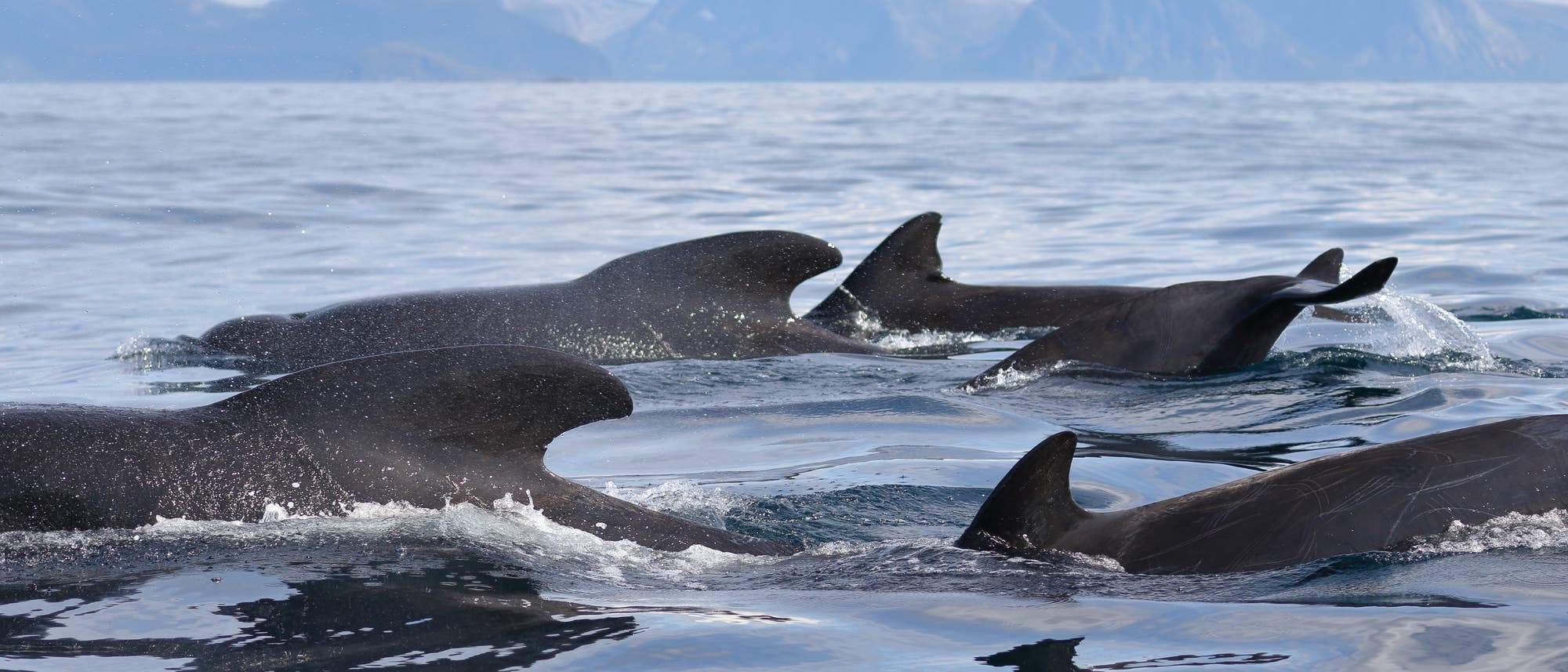
PFAS Levels in Pilot Whales Decline After Production Ban
A recent study reveals a significant decline in the concentration of per- and polyfluoroalkyl substances (PFAS) in pilot whales (Globicephala melas) following restrictions on the production of certain PFAS compounds.Researchers analyzed archived liver and muscle tissue samples collected from whales in the North Atlantic between 1986 and 2023, focusing on total organic fluorine as an indicator of PFAS contamination.
PFAS as Marine Pollution Indicators
Whales, especially toothed whales like pilot whales, are considered valuable indicators of marine pollution due to their position at the top of the food chain. Thay accumulate contaminants through their diet,providing a snapshot of the overall health of the marine ecosystem.
Key Findings of the Study
The research team, led by Jennifer Sun and Elsie Sunderland, found that four older-generation PFAS compounds accounted for approximately 75% of the total fluorine concentration in the whale tissues. PFAS levels peaked around 2011 and subsequently decreased by more than 60% by 2023.This decline occurred roughly a decade after the voluntary and than regulatory phase-out of long-chain PFAS.
Researchers attribute this lag time to marine transport processes,which distribute PFAS throughout the ocean and allow for continued exposure even after production stops. Modeling suggests that PFAS can persist in the marine environment for extended periods, gradually decreasing as they are diluted and broken down.
Impact of Production Restrictions
“The cessation of production, initially voluntary and later driven by regulations, has proven very effective in reducing the concentrations of these chemicals near sources and in more distant ecosystems,” stated lead author Jennifer Sun in a
press release.
Understanding PFAS and Their Impact
PFAS are a group of man-made chemicals used in a wide variety of industrial and consumer products, including non-stick cookware, firefighting foam, and food packaging. They are known for their persistence in the environment and their potential health effects on humans and wildlife, including immune suppression, liver damage, and certain types of cancer.The Environmental Protection Agency (EPA) provides complete information on PFAS,their health effects,and ongoing regulatory efforts.
Published: 2026/01/27 00:32:03
Keep reading