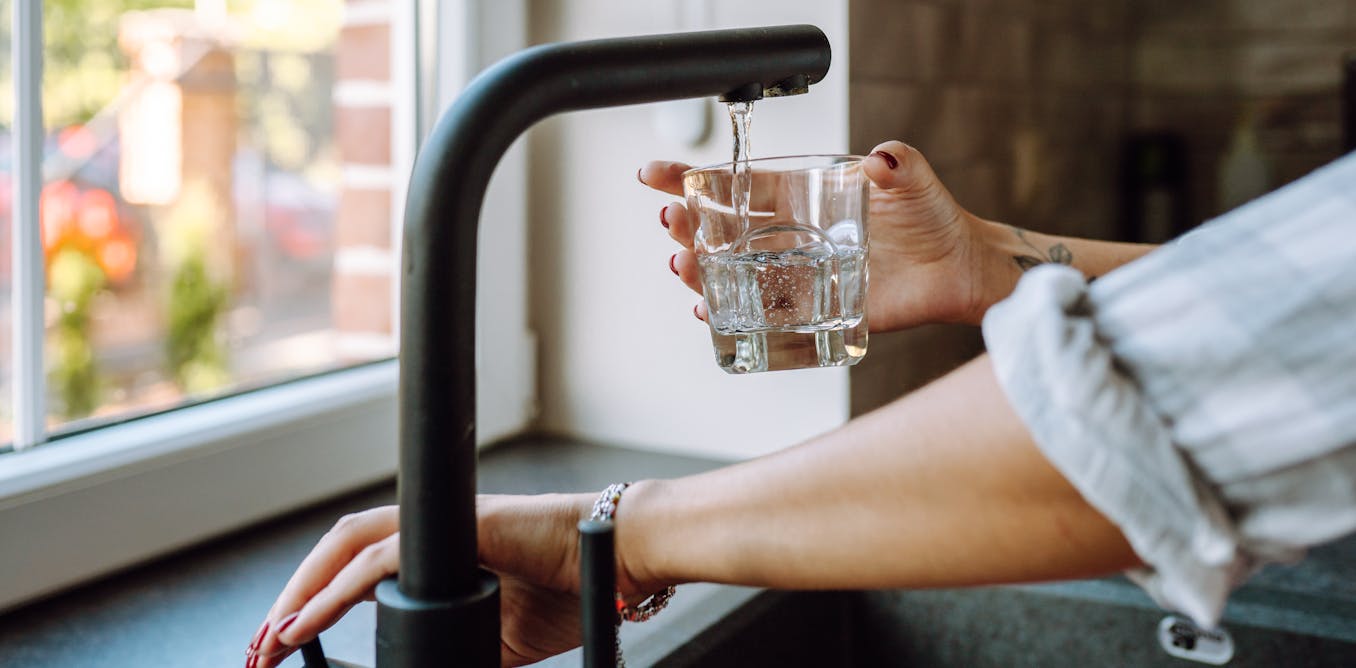
Protecting Your Pregnancy: Understanding PFAS in Drinking Water
Recent research highlights a critical concern for expectant mothers: the presence of PFAS – often called “forever chemicals” – in our drinking water.These substances, found in numerous everyday products, can pose health risks, and understanding your exposure is a vital step in safeguarding your well-being and that of your developing child.
What are PFAS and Why Should You Care?
PFAS are a group of man-made chemicals used in countless products, from non-stick cookware to firefighting foam. They’re incredibly persistent in the environment and in our bodies, leading to their nickname. Exposure to these chemicals,even at low levels,is linked to a range of health issues.
Specifically, our research indicates that pregnant women are particularly vulnerable to the effects of long-chain PFAS through drinking water. This is because these chemicals can impact both maternal and fetal health.
How Do You Get Exposed to PFAS?
PFAS exposure isn’t limited to a single source. You can encounter these chemicals through several pathways:
* Drinking water: This is a primary concern, especially if your local water utility doesn’t actively filter for PFAS.
* Food: PFAS can accumulate in certain foods, including fish and some agricultural products.
* Everyday products: Many common items, like food packaging, cosmetics, and cleaning supplies, contain PFAS.
* Environmental exposure: Living near industrial sites or areas where firefighting foam has been used can increase your risk.
What Can You Do to Protect Yourself and Your Baby?
Fortunately, there are proactive steps you can take to minimize your exposure to PFAS, particularly in your drinking water.
1. Water filtration is Key.
Activated carbon filters are proven effective at removing long-chain PFAS from water. You have two main options:
* Whole-house filtration: This filters all the water entering your home.
* Point-of-use filters: These attach to your faucet or water pitcher, filtering water as you need it.
2. Regular Filter Replacement is Crucial.
Filters don’t last forever. It’s essential to replace them on a regular schedule, as recommended by the manufacturer, to ensure continued effectiveness.
3. stay Informed About Your Local Water Quality.
Contact your local water utility to inquire about their PFAS testing and treatment practices. If they don’t provide details, consider independent testing of your water supply.
4. Consider Additional Precautions.
While water filtration is the most direct approach, you can also reduce your overall PFAS exposure by:
* Choosing PFAS-free products whenever possible.
* Limiting your consumption of foods known to accumulate PFAS.
* Being mindful of potential environmental sources of exposure.
Why This matters During Pregnancy
Our research strongly suggests that pregnant women should prioritize reducing their PFAS exposure. The developing fetus is particularly susceptible to the harmful effects of these chemicals. Taking proactive steps to filter your drinking water can significantly reduce potential risks and contribute to a healthier pregnancy.
Protecting your health and the health of your baby is paramount. By understanding the risks of PFAS and taking appropriate action, you can create a safer environment for both of you. Don’t hesitate to take control of your water quality and prioritize your well-being during this important time.
Worth a look