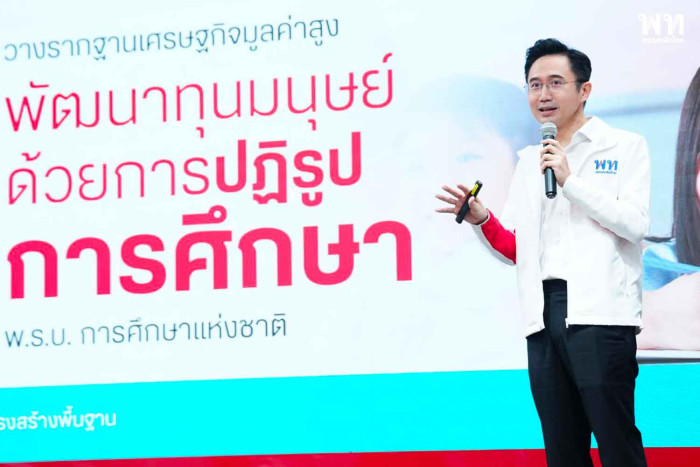
Bangkok, Thailand – Facing a challenging political landscape following recent setbacks, Thailand’s Pheu Thai Party is looking to Yodchanan Wongsawat to revitalize its prospects ahead of the February 8, 2026 general election. The party, once a dominant force in Thai politics, has been reeling from the removal of former Prime Minister Paetongtarn Shinawatra and the return of Thaksin Shinawatra to prison. Wongsawat, a 46-year-old biomedical engineer and nephew of Thaksin, represents a departure from the traditional mold of Thai political leaders, and the party is banking on his academic background and fresh perspective to regain momentum. This shift in leadership comes as Pheu Thai aims to demonstrate its performance and rebuild its strength over the next four years.
The recent period has been turbulent for Pheu Thai. On August 29, 2025, the Constitutional Court removed Paetongtarn Shinawatra from office due to improper conversations with Cambodian Senate President Hun Sen, details of which were revealed in a leaked audio recording. This blow was compounded by Thaksin Shinawatra’s subsequent return to prison, leading many to believe the party’s influence had been severely diminished. However, the introduction of Yodchanan Wongsawat as its prime ministerial candidate has unexpectedly injected new life into the party’s campaign. The party’s ability to navigate these challenges and present a viable alternative will be crucial in the upcoming election.
A New Face in Thai Politics
Yodchanan Wongsawat’s background sets him apart from many of his counterparts in Thai politics. Trained as a biomedical engineer, his career has been rooted in scientific research and innovation. This academic foundation, while potentially appealing to voters seeking a departure from established political norms, also presents a challenge. Running a government requires a different skillset than conducting research, and Thailand’s political system is not necessarily designed to accommodate newcomers. As noted by observers, his lack of traditional political experience is both an asset and a risk.
Despite his unconventional background, Wongsawat has begun to connect with voters. He was observed taking selfies with supporters at Siam Paragon in Bangkok on January 23, demonstrating an effort to engage directly with the public. Umesh Pandey, a Pheu Thai party-list candidate, highlighted Wongsawat’s academic credentials and personal track record, suggesting a strong foundation for leadership. Khaosod English reported on this growing confidence within the party.
Addressing Past Setbacks and Future Strategy
The party leadership recognizes the need for a comprehensive overhaul following recent electoral challenges. A meeting led by Yodchanan Wongsawat, party leader Julapun Amornvivat, and secretary-general Prasert Jantararuangtong on Saturday, March 16, 2026, focused on reviewing lessons from the election and strengthening the party’s institutional framework. The party has been conducting workshops and engaging with members to identify areas for improvement. This internal review process aims to ensure a more efficient and effective campaign for the next election. The opening of parliament and the vote for the House speaker and deputy speakers on Sunday, March 17, 2026, mark a critical juncture for Pheu Thai as it seeks to establish its position within the new legislative body.
Wongsawat has emphasized the importance of demonstrating strong performance over the next four years, not only in the constituencies the party currently holds but also in expanding its reach. He stated that learning from past experiences and adapting strategies will be crucial for a successful return. The party intends to propose legislation aimed at addressing the needs of the Thai people and positioning itself as a beacon of hope. This legislative agenda will likely focus on issues relevant to the electorate and demonstrate Pheu Thai’s commitment to improving the lives of citizens.
Focus on Economic Development
A key component of Pheu Thai’s strategy is promoting Thailand as a high-value economy. The party expects its Members of Parliament (MPs) to actively participate in all House meetings, support key bills, and contribute to the development of policies that foster economic growth. MPs will be encouraged to sign on to proposed legislation and contribute their own ideas for addressing national problems. This collaborative approach aims to harness the collective expertise of the party and ensure that its legislative agenda reflects the diverse needs of the country. The emphasis on a high-value economy suggests a focus on innovation, technology, and attracting foreign investment.
Julapun Amornvivat underscored the importance of institutionalizing the party to ensure its long-term stability and effectiveness. The recent workshops and consultations with party members are intended to strengthen the party’s organizational structure and improve its ability to mobilize resources for future campaigns. This focus on institutional development reflects a recognition that a strong and well-organized party is essential for achieving its political goals. The party’s commitment to rebuilding and improving its prospects is evident in its proactive approach to addressing its weaknesses and capitalizing on its strengths.
The Road Ahead
The next four years will be pivotal for Pheu Thai as it seeks to regain its former prominence in Thai politics. Yodchanan Wongsawat’s leadership will be tested as he navigates the complex challenges facing the country and attempts to unite the party behind a common vision. The party’s success will depend on its ability to effectively address the concerns of voters, propose viable solutions to pressing problems, and demonstrate a commitment to solid governance. The upcoming parliamentary session will provide a crucial opportunity for Pheu Thai to showcase its legislative agenda and establish its credibility as a constructive force in Thai politics.
The party’s commitment to rebuilding and improving its prospects is a testament to its resilience and determination. By learning from past mistakes, strengthening its organizational structure, and embracing new leadership, Pheu Thai hopes to secure a brighter future for itself and for Thailand. The party’s ability to adapt to changing circumstances and respond to the needs of the electorate will ultimately determine its success in the years to come. The focus on a high-value economy and the emphasis on institutional development suggest a long-term strategy aimed at creating a more prosperous and stable Thailand.
As Thailand’s political landscape continues to evolve, the role of Pheu Thai and the leadership of Yodchanan Wongsawat will be closely watched. The party’s performance over the next four years will not only shape its own destiny but also have a significant impact on the future of Thai politics. The next major checkpoint will be the implementation of the legislative agenda proposed during the opening of parliament, and the subsequent debates and votes on key bills.
What are your thoughts on Pheu Thai’s strategy for the future? Share your comments below and let us know what you think. Don’t forget to share this article with your network to keep the conversation going.
Related reading