
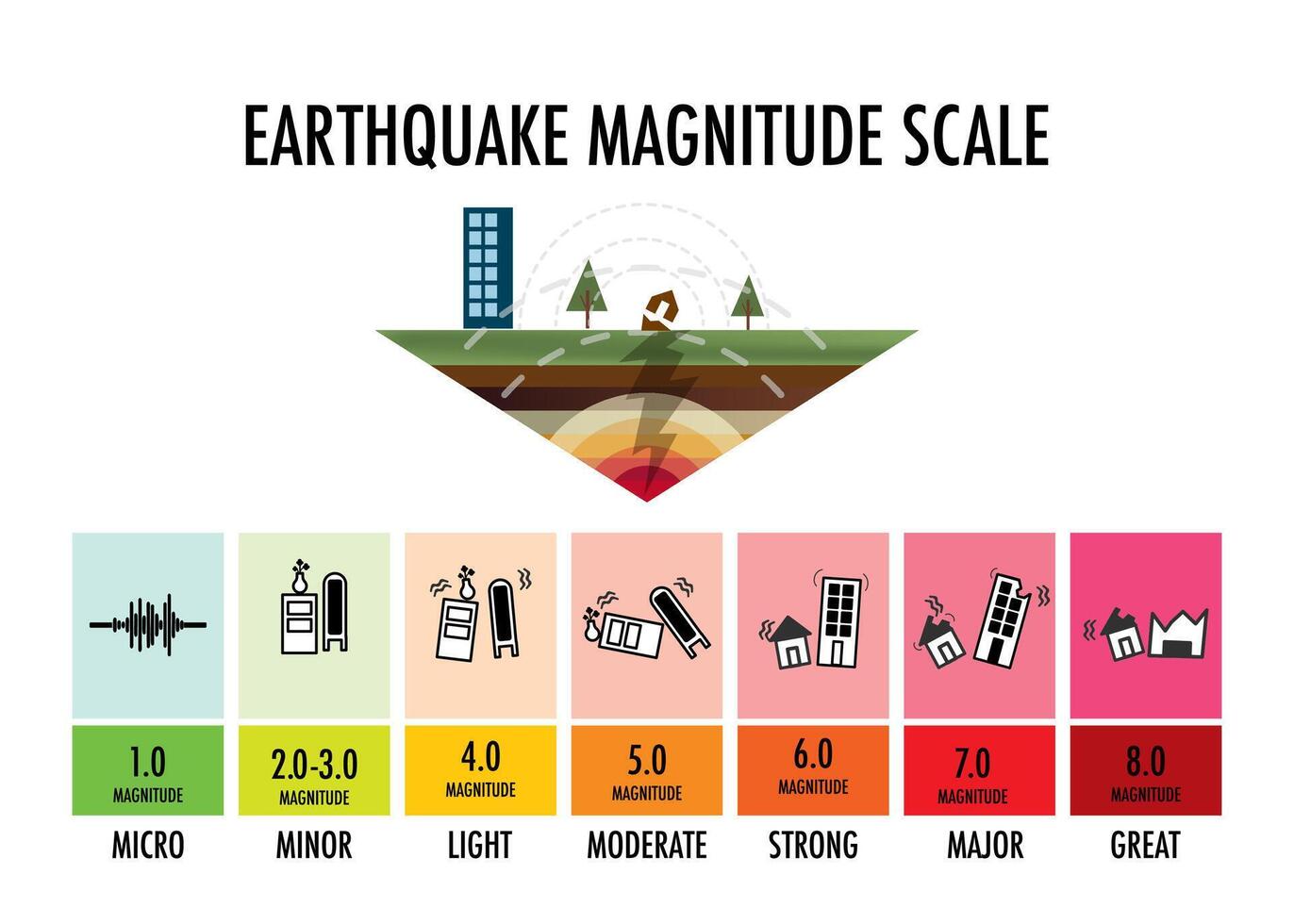
A powerful 7.8-magnitude earthquake struck the southern Philippines on Monday, June 8, 2026, causing widespread structural damage and a mounting humanitarian crisis. Local authorities have confirmed that the death toll has reached at least 32 people, with dozens of others reported missing as rescue operations continue in the affected regions.
The seismic event, which occurred in the early hours of the day, triggered widespread concern across the archipelago. Emergency response teams are currently working to clear debris from collapsed buildings and reach isolated communities. The scale of the impact remains under assessment as officials coordinate search and rescue efforts across the southern provinces.
Emergency Response and Current Situation
The impact of the 7.8-magnitude tremor has been significant, particularly in the southern Philippines, where multiple structures sustained heavy damage or total collapse. According to initial reports from civil defense agencies, the focus remains on locating survivors trapped beneath the rubble of residential and commercial buildings. The volatility of the situation has hampered the movement of heavy machinery, forcing rescuers to rely on manual labor in many of the hardest-hit areas.
While the immediate priority is life-saving search and rescue, government agencies are also preparing for the long-term recovery process. Displaced residents are being moved to temporary shelters, and local health facilities are managing an influx of injured individuals. The government has mobilized regional disaster risk reduction and management councils to streamline the distribution of food, water, and medical supplies to the affected populations.
Geological Context and Regional Preparedness
The Philippines is located along the Pacific “Ring of Fire,” a region known for frequent seismic and volcanic activity. Monday’s earthquake serves as a stark reminder of the country’s vulnerability to major geological events. Seismologists and disaster management experts are currently analyzing the tectonic shifts that led to this magnitude, noting that the depth and location of the epicenter were primary factors in the intensity of the shaking felt across the southern region.
In the aftermath of the disaster, discussions regarding infrastructure resilience and building codes have resurfaced. Experts emphasize that the enforcement of rigorous construction standards is essential for mitigating the impact of future seismic activity. Lessons learned from this earthquake will likely inform future urban planning and disaster preparedness strategies, particularly in densely populated areas where the risk to human life is highest.
Looking Ahead
As the rescue phase transitions into a recovery and assessment phase, the government is expected to provide daily briefings on the casualty figures and the status of infrastructure repairs. International aid organizations have also signaled their readiness to assist, should the national government request support. For families affected by the disaster, local authorities have established communication centers to provide updates on missing persons and information regarding access to emergency social services.
Official updates regarding the recovery efforts and the findings of the post-disaster assessment will be released through the Philippine Institute of Volcanology and Seismology (PHIVOLCS) and the National Disaster Risk Reduction and Management Council (NDRRMC). Citizens are encouraged to follow official channels for verified information and safety advisories as the situation evolves.
We will continue to monitor the situation as more information becomes available. If you have information or experiences from the region, please share them in the comments section below to help our community stay informed.
Related reading