Philippines Disaster Relief: Responding to Earthquake and Typhoon Crisis – A Comprehensive Update (November 2023)
the Philippines is grappling with a compounding humanitarian crisis following a devastating sequence of events: a powerful earthquake and two successive super typhoons. These disasters, unfolding within weeks of each other, have left a trail of destruction across the archipelago, impacting millions of Filipinos and demanding a robust and sustained relief effort.
A cascade of Calamities
In late October and early November, the nation faced a one-two punch. A 6.9 magnitude earthquake struck the central Philippines, causing widespread damage and triggering landslides. Before communities could fully recover, Typhoon Kalmaegi swept through, followed swiftly by the even more ferocious Category 5 Typhoon Fungwong, which directly impacted the main island of Luzon.
The combined impact has been catastrophic.Over 200 lives have been lost, and over a million Filipinos have been displaced from their homes.Thousands of houses and vital infrastructure – roads, bridges, and power lines – have been destroyed, hindering access to essential aid.
Immediate Needs and the Frontline Response
The immediate needs are immense.Displaced families require shelter, food, clean water, hygiene supplies, and medical attention. The agricultural sector has been especially hard hit, with crops destroyed just before harvest time, threatening food security and livelihoods.
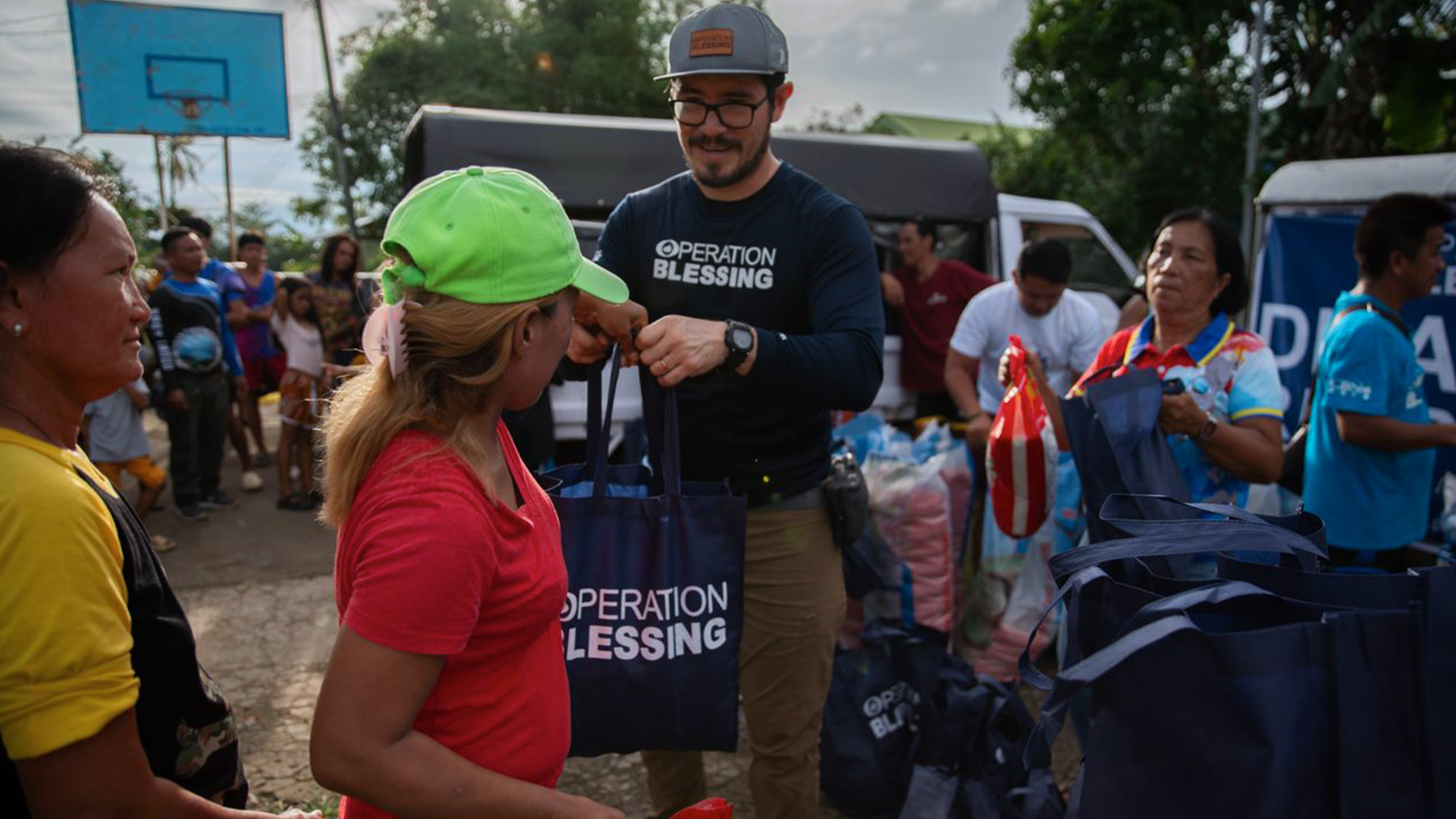
Organizations like Operation Blessing have been at the forefront of the response, leveraging pre-positioned resources through their “One-Step-Ahead” campaign. This proactive approach allowed them to be among the first responders, reaching survivors of both the earthquake and the typhoons with critical assistance.
Stories of Resilience and Gratitude
The human cost of these disasters is profound. Nato Hingone, a resident impacted by both the earthquake and typhoon Kalmaegi, recounted a harrowing experience. “The water suddenly rose to my chest,” he shared. “We prayed, Lord if this is our end… We also helped our neighbors, sharing the little food we had.”
The arrival of operation Blessing brought a glimmer of hope.nato, despite his own losses, actively participated in repacking food bags for his community, expressing deep gratitude for the solar lamps, mats, and essential supplies provided. “We have nothing to give, but my whole family is helping,” he saeid.
Similarly, Clarita siriban, a farmer in Luzon, faced the heartbreaking loss of her rice crop just before harvest. “What will happen to us now?” she lamented. The delivery of food and hygiene kits by Operation Blessing offered a lifeline, prompting tears of gratitude. “Thank you, lord, for sending us people who understand our hardships,” she expressed.
Beyond Immediate Relief: Long-Term Recovery
While immediate aid is crucial, long-term recovery will be a important undertaking. operation Blessing is not only providing emergency supplies but also installing water stations and filtration systems to ensure access to safe drinking water, particularly in remote areas. Medical missions are also being deployed to address health concerns and prevent the spread of disease.
Rebuilding infrastructure, restoring livelihoods, and providing psychosocial support to affected communities will require sustained commitment and collaboration from government agencies, NGOs, and international partners. The agricultural sector will need significant investment to help farmers recover and rebuild their farms.
How you Can Help
The philippines needs your support. Donations to reputable organizations like Operation Blessing can provide vital assistance to those affected by these devastating disasters. Every contribution, no matter how small, can make a difference in the lives of those struggling to rebuild their lives.
Frequently Asked Questions: Philippines Disaster Relief
Q: What is the current situation regarding disaster relief in the Philippines?
A: The Philippines is currently facing a major humanitarian crisis following a 6.9 magnitude earthquake and two super typhoons. Over a million people are displaced, and significant damage has been inflicted on infrastructure and agriculture. Relief efforts are underway, but considerable support is still needed.
Q: How is Operation Blessing responding to the crisis in the Philippines?
A: Operation Blessing is providing immediate relief, including food, water, hygiene kits, shelter, and medical assistance. Their “One-Step-Ahead” campaign allowed for rapid deployment of resources to affected areas. They are also focusing on long-term recovery efforts like water filtration and medical missions.
Q: What are the biggest challenges facing disaster relief efforts in the Philippines right now?
A: Access to remote communities is a major challenge due to damaged roads and bridges. The sheer scale of the disaster, coupled with the widespread displacement, is straining resources.Ensuring clean water and preventing the spread of disease are also
Worth a look