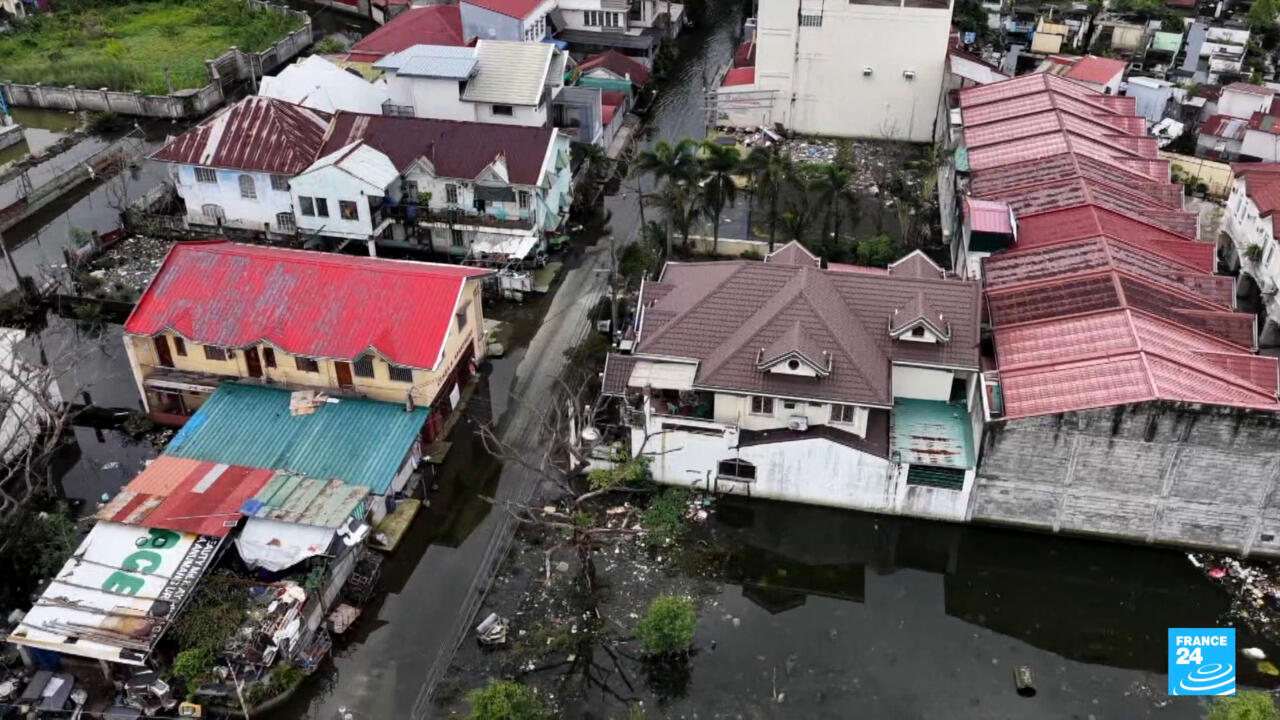
The Philippines Flood Control Scandal: A Deep dive into Corruption and Climate Vulnerability
The Philippines is grappling with a monumental corruption scandal, possibly the largest as the era of Ferdinand Marcos Sr. recent revelations indicate that an estimated 70% of funds earmarked for crucial flood control measures have been misappropriated since 2023, with a staggering €8 billion lost in 2025 alone.This crisis isn’t just about financial loss; itS a direct threat to a nation already acutely vulnerable to the escalating impacts of climate change. This article provides an in-depth analysis of the scandal, its implications, and the path forward for the Philippines.
Understanding the Scope of the Embezzlement
The scandal came to light during President Ferdinand Marcos Jr.’s visit to the site of a planned flood barrier – a project that, shockingly, never materialized. This prompted a government admission that funds for the vast majority of the 10,000 planned flood prevention projects had been siphoned off by corrupt officials. The scale of the embezzlement is breathtaking,impacting infrastructure growth and leaving millions exposed to increasingly frequent and severe flooding.
Did You Know? The Philippines is consistently ranked among the most vulnerable countries globally to the effects of climate change, notably rising sea levels and extreme weather events.
The situation quickly escalated,triggering widespread public outrage. Massive protests erupted across the country, leading to clashes with police and, ultimately, the deployment of the army in September to maintain order. This demonstrates the depth of public frustration and the potential for further unrest.
The Philippines and Climate Change: A Perfect Storm
The timing of this scandal couldn’t be worse. The Philippines is an archipelago nation particularly susceptible to the impacts of climate change.
* Rising Sea Levels: Threaten coastal communities and infrastructure.
* Typhoons: The country experiences an average of 20 typhoons annually, many of which are devastating.
* Increased Rainfall: Leading to more frequent and intense flooding.
* Land Subsidence: Exacerbates flood risks in many areas.
These factors combine to create a “perfect storm” of vulnerability, making effective flood control measures not just desirable, but essential for survival. The embezzlement of funds directly undermines the nation’s ability to adapt to and mitigate these threats.
key Players and Allegations
While investigations are ongoing, initial reports point to a complex network of officials involved in the scheme. allegations include:
* Inflated Contracts: Projects were awarded at considerably inflated prices, with the difference pocketed by corrupt officials.
* Ghost Projects: Funds were allocated to projects that existed only on paper.
* Collusion: Officials colluded with contractors to manipulate bids and secure contracts.
* Kickbacks: Contractors paid kickbacks to officials in exchange for favorable treatment.
Identifying the key individuals and holding them accountable will be crucial for restoring public trust and deterring future corruption. The Presidential Anti-corruption Commission (PACC) is leading the inquiry, but its independence and effectiveness are being questioned by some observers.
Pro Tip: When researching corruption scandals, look beyond the immediate headlines. Investigate the underlying systemic issues that allow such practices to flourish.
The Economic and Social Impact
The consequences of this scandal extend far beyond the immediate financial loss.
* Economic Disruption: Flooding disrupts businesses, damages infrastructure, and hinders economic growth.
* Loss of Livelihoods: Flooding destroys crops, livestock, and homes, leaving communities impoverished.
* Public Health Risks: Flooding increases the risk of waterborne diseases and othre health problems.
* Erosion of Trust: The scandal erodes public trust in government and institutions.
The long-term economic and social costs of this corruption will be ample, potentially setting back the Philippines’ development for years to come.
International Response and Aid Implications
The international community has expressed concern over the scandal and its potential impact on aid programs. Several donor countries and organizations have indicated they may review their funding commitments to the Philippines, demanding greater transparency and accountability. This could further exacerbate the country’s financial challenges.
| Factor | Impact of Corruption
Keep reading |
|---|