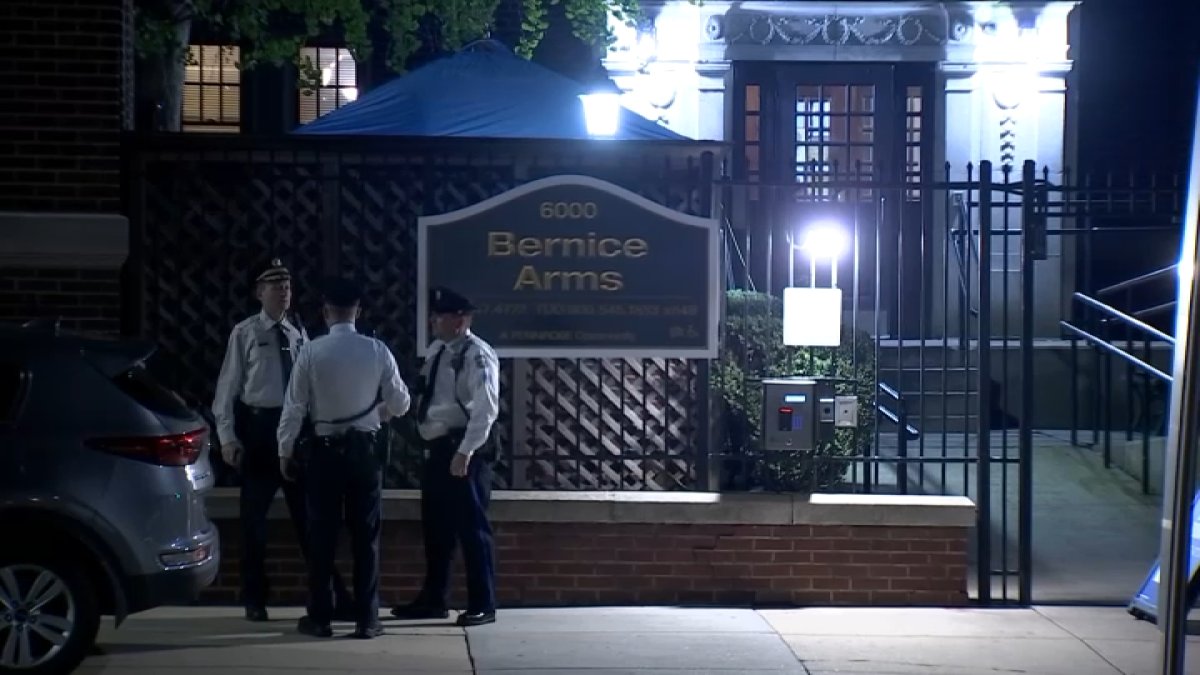
Senior Living Facility Shootings: Understanding the Rising Concerns & Safety Measures
The tranquility of senior living facilities is a cornerstone expectation for residents and their families.However, a recent incident at Bernice Arms in West Philadelphia – a shooting on October 14th, 2024, leaving a 67-year-old man in critical condition – underscores a disturbing trend: violence is increasingly impacting these communities.This article delves into the complexities of senior living safety, examining the factors contributing to these incidents, the immediate response protocols, and proactive measures to enhance security and well-being.we’ll explore the challenges faced by these facilities,the legal considerations,and what families can do to advocate for a safer environment for their loved ones.
The Incident at Bernice Arms: A Detailed Account
On Tuesday evening, October 14th, 2024, Philadelphia Police responded to reports of a shooting at Bernice Arms, located on the 6000 block of Baltimore Avenue. According to Police Chief Inspector Scott Small, officers discovered a 67-year-old male resident with a gunshot wound to the abdomen. The victim was immediately transported to a local hospital and remains in critical condition as of this writing.
Preliminary investigations suggest the shooting stemmed from an argument between the victim and another individual within the building’s second-floor hallway. The alleged shooter discharged at least five rounds, with bullets impacting the victim’s apartment door and surrounding wall. Authorities believe the individuals involved may have been acquainted, and a suspect description has been established.Investigators are currently reviewing surveillance footage and interviewing staff to gather further details and apprehend the suspect.
Did You Know? According to a 2023 report by the National Centre for Assisted Living (NCAL),incidents of violent crime in assisted living facilities have increased by 18% over the past five years,prompting a national conversation about safety protocols.
Understanding the Rise in violence Within Senior Communities
While statistically, senior living facilities remain relatively safe compared to the general population, the increase in reported incidents is alarming. Several factors contribute to this trend:
* Increased Prevalence of Mental Health Issues: Both residents and staff may be grappling with undiagnosed or untreated mental health conditions, perhaps escalating conflicts.
* Cognitive Decline & Behavioral Changes: Conditions like dementia and Alzheimer’s disease can lead to agitation, aggression, and unpredictable behavior.
* Social Isolation & Loneliness: These factors can exacerbate existing mental health issues and contribute to feelings of frustration and anger.
* staffing Shortages & Burnout: Understaffed facilities often struggle to provide adequate supervision and support, increasing the risk of incidents.
* Resident-to-Resident Aggression: Disputes over personal space, belongings, or care can sometimes escalate into physical altercations.
* External Threats: While less common, facilities are not immune to external criminal activity, as demonstrated by the Bernice Arms shooting.
Pro Tip: When choosing a senior living facility, inquire about their staff-to-resident ratio, staff training in de-escalation techniques, and the facility’s emergency response plan.
Immediate Response & Investigation Protocols
Following an incident like the shooting at Bernice Arms, a swift and coordinated response is crucial. Standard protocols typically include:
- Immediate Medical Attention: Ensuring the victim receives prompt medical care is the top priority.
- Law Enforcement Notification: Contacting local police to initiate an investigation.
- Facility Lockdown: Securing the building to prevent further harm and facilitate the investigation.
- Resident & Staff Support: Providing emotional support and counseling to those affected by the incident.
- Evidence Preservation: Protecting the crime scene and preserving any potential evidence,including surveillance footage.
- Incident Reporting: reporting the incident to relevant regulatory agencies, as required by law.
- Family Notification: Communicating with residents’ families to keep them informed of the situation.
Proactive Safety Measures: Enhancing Security in Senior Living
Beyond immediate response, proactive measures are essential to prevent future incidents. These include:
* Enhanced Security Systems: Implementing controlled access systems, surveillance cameras, and alarm systems.
* Staff training: Providing thorough training in de-escalation techniques, conflict resolution, and emergency response procedures.
* Mental Health Support: Offering on-site mental health services for residents and staff.
* Background Checks: Conducting thorough background checks on all employees.
* Resident Screening: Implementing a screening process to assess potential risks associated with new