
As we navigate the increasingly complex intersection of global food security and environmental stewardship, the management of soil health has shifted from a local agricultural concern to a central pillar of international sustainability policy. Among the most critical challenges facing modern agronomy is the optimization of phosphorus fertilization and the strategic application of liming materials to mitigate soil acidity. Understanding the chemical behavior of these elements is not merely an academic exercise; it is a vital component in ensuring crop productivity while minimizing the environmental footprint of large-scale farming operations.
At the heart of this challenge lies the intricate balance of soil chemistry, where phosphorus—an essential macronutrient—often becomes unavailable to plants due to fixation processes. When soil pH levels drop, a condition exacerbated by intensive cultivation and the use of certain nitrogen-based fertilizers, the efficiency of applied phosphorus decreases significantly. Addressing these dynamics through the use of calcareous amendments and organic matter is essential for maintaining a resilient and productive soil ecosystem, according to guidelines provided by the Food and Agriculture Organization (FAO) of the United Nations.
The Chemistry of Phosphorus Fixation and Soil Buffering
Phosphorus is notoriously immobile in the soil profile. Unlike nitrogen, which leaches readily, phosphorus often bonds tightly to soil particles, particularly in acidic environments. In soils with low pH, iron and aluminum oxides dominate the chemical landscape, reacting with phosphate ions to form insoluble compounds that plants cannot easily absorb. This phenomenon, known as phosphorus fixation, represents a significant economic loss for producers and a potential source of environmental degradation if surface runoff occurs.
The “buffering capacity” of the soil acts as a resistance mechanism against changes in pH. Soils with high clay content or high organic matter levels possess a greater ability to resist acidification compared to sandy soils. However, this buffering capacity also means that correcting existing acidity requires more substantial inputs of liming materials. According to the USDA Natural Resources Conservation Service (NRCS), understanding these inherent soil properties is the first step in developing an effective nutrient management plan that balances crop yield requirements with long-term soil health sustainability.
Mitigating Acidity: The Role of Calcareous Amendments
To unlock fixed phosphorus and optimize nutrient availability, agricultural managers frequently employ liming—the application of calcium carbonate (lime) or other alkaline materials. By raising the soil pH toward a neutral range (typically 6.0 to 7.0), liming reduces the concentration of soluble aluminum, which is toxic to plant roots, and increases the availability of phosphorus. This process is a cornerstone of sustainable land management, as documented in various studies by the International Plant Nutrition Institute (IPNI), which highlights that pH management is often the most cost-effective way to improve fertilizer efficiency.
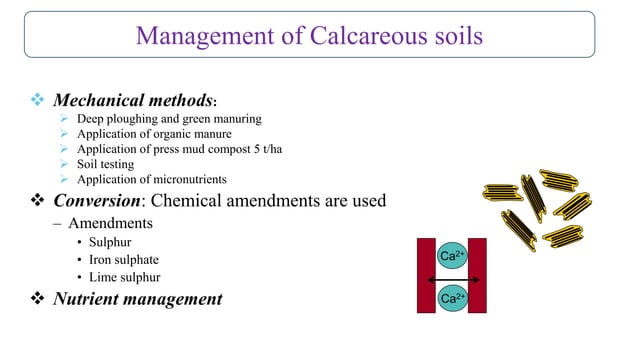
Beyond simple pH adjustment, the integration of organic matter plays a multifaceted role. Organic amendments, such as compost or manure, provide a steady supply of nutrients and can help “coat” the reactive sites of iron and aluminum oxides in the soil, effectively reducing the rate at which phosphorus becomes fixed. This synergistic approach—combining mineral lime with organic inputs—creates a more favorable environment for microbial activity and root development.
Practical Strategies for Sustainable Soil Management
For those managing large tracts of land, the transition to precision nutrient management involves several key considerations:
- Regular Soil Testing: Accurate baseline data is non-negotiable. Soil samples should be analyzed for both pH and phosphorus saturation levels at least every two to three years.
- Targeted Application: Rather than uniform broadcasting, precision agriculture tools allow for variable-rate application of lime and phosphorus, ensuring that amendments are placed where the soil chemistry specifically demands them.
- Organic Integration: Incorporating crop residues and organic amendments improves the physical structure of the soil, which in turn enhances water retention and nutrient cycling.
- Monitoring Environmental Impact: Preventing the accumulation of excess phosphorus is essential to protect local waterways from eutrophication.
The global scientific community continues to refine these practices. For instance, the American Association for the Advancement of Science (AAAS) has frequently published research emphasizing that nutrient management is not a “one-size-fits-all” solution. It requires a deep understanding of local geological conditions, historical land use, and the specific physiological needs of the crops being produced.
Key Takeaways for Soil Health
| Factor | Primary Benefit | Management Action |
|---|---|---|
| Soil pH | Maximizes nutrient availability | Apply lime based on buffer capacity |
| Phosphorus | Promotes root growth and yield | Use precision application to avoid fixation |
| Organic Matter | Improves soil structure/buffering | Apply compost or cover crops |
Looking Ahead: Future Trends in Agronomy
As we look toward future agricultural cycles, the focus is shifting toward “Smart Farming” technologies. Real-time soil sensors and satellite-based mapping are providing farmers with unprecedented insights into soil nutrient fluctuations. These technologies enable a proactive approach, where soil acidity and phosphorus deficiencies are identified and corrected before they impact crop yields.

The next major checkpoint for global agricultural policy will be the upcoming Global Soil Partnership assembly, where international experts will review updated guidelines on sustainable soil management. These meetings serve as a vital forum for sharing best practices and addressing the challenges posed by climate change on soil health. As we continue to monitor these developments, it remains clear that the stewardship of our soil is an ongoing process of observation, analysis, and responsible intervention.
Have you implemented new precision soil management techniques on your land, or are you interested in the latest research on soil chemistry? Share your thoughts and experiences in the comments below, and stay tuned to World Today Journal for our upcoming series on the future of sustainable agriculture.
Keep reading