The Silent crisis in Healthcare: How EHR investment Can Stem the Tide of Clinician Burnout and Turnover
The healthcare industry is facing a looming crisis. While burnout rates have seen a slight reprieve from pandemic peaks, the projected global shortage of 11 million health workers by 2030 paints a stark picture. This isn’t simply a staffing issue; it’s a deeply interconnected cycle where burnout fuels turnover, leading to increased workloads for remaining staff, and ultimately, more burnout. Addressing this requires a basic shift in how healthcare organizations prioritize clinician well-being, and surprisingly, the key may lie in optimizing a tool often seen as a source of frustration: the Electronic Health Record (EHR).
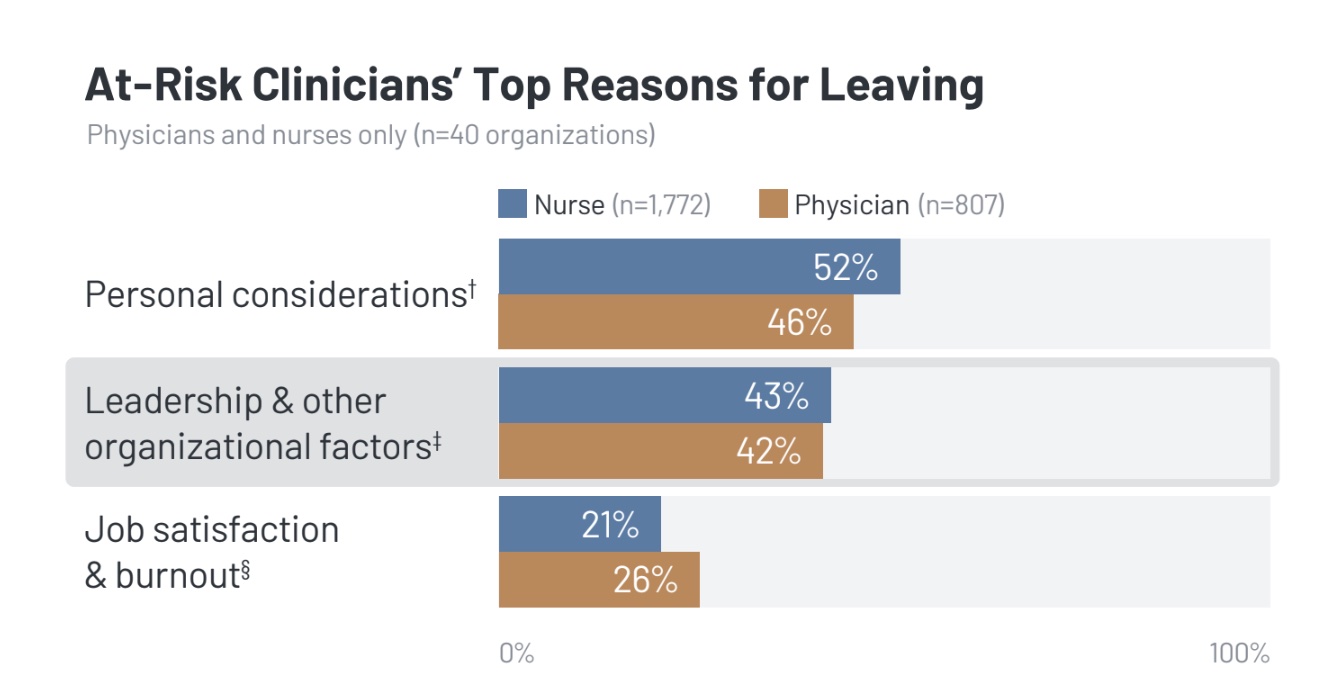
As healthcare leaders, we’ve spent years focusing on cost containment and operational efficiency. But the latest research, including the extensive Clinician Turnover 2025 report from KLAS Arch Collaborative, reveals a critical blind spot: clinician dissatisfaction with organizational leadership is now the primary driver of turnover, eclipsing even retirement considerations. ignoring this is not just a human resources problem – it’s a notable and escalating financial risk.
The Alarming Financial Risk of Discontent: Beyond the Bottom Line
The cost of clinician turnover is staggering. Losing a nurse can set an organization back $52,350 (based on 2024 data), while replacing a physician can easily exceed $1,000,000 (2017 study). These figures represent direct costs – recruitment, training, lost productivity. However, they don’t fully capture the indirect costs: diminished patient care quality, increased risk of errors, and the erosion of institutional knowledge.
What’s driving this discontent? Clinicians, particularly nurses, are consistently reporting feeling overwhelmed by expanded responsibilities stemming from staffing shortages. They’re being asked to perform tasks outside their core competencies, diverting time and energy from direct patient care. This leads to a profound sense of disconnect – a lack of shared values and inconsistent, often poor, communication from administration.
Physicians echo these sentiments, expressing feelings of alienation and a perception that leadership prioritizes financial metrics over clinical input. They describe feeling like “hamsters on a wheel,” their expertise undervalued and their voices unheard. This isn’t about a lack of dedication; it’s about a systemic failure to support those on the front lines.
The EHR: A Litmus Test for Leadership & a Critical Retention Tool
For years, EHR implementation has been framed as a technological challenge. The Clinician Turnover 2025 report reveals a far more nuanced truth: the EHR experience is now a critical indicator of clinician perception of leadership.
Our research demonstrates a strong correlation between dissatisfaction with the EHR and dissatisfaction with organizational leadership. Clinicians at risk of leaving – those actively planning their departure – exhibit significantly lower Net EHR Experience Scores (NEES). Specifically, at-risk physicians planning to leave scored an average of just 7.7 on a scale of -100 to 100.
This isn’t about the technology itself, but what the EHR represents. When leadership fails to invest in a fast, reliable, and user-friendly EHR experience, supported by robust training and ongoing support, clinicians don’t just feel inefficient. They feel disrespected. They perceive a lack of investment in their ability to provide quality care, and that translates directly into a loss of trust and a desire to seek opportunities elsewhere.
The Imperative: Investing in EHR Experience as a Proactive Retention Strategy
While initiatives like improving organizational culture or increasing reimbursement rates are valuable, they frequently enough require significant time and financial resources to yield results.Investing in the EHR experience offers a concrete, actionable, and demonstrably effective method for leaders to align with clinicians now.
The urgency is undeniable. Data from Arch Collaborative shows that clinicians planning to leave the healthcare industry entirely have significantly lower EHR satisfaction scores than those considering internal moves. This highlights the critical role the EHR plays in determining long-term workforce stability.
Though, there’s reason for optimism. We’ve observed a positive turnaround in recent years:
* Remarkable Retention: Over the past two years, 288 clinicians who initially expressed intentions to leave have reversed their decision and now plan to stay.
* Key Drivers of Change: 73% of these retained clinicians cite improvements to their EHR experience as the primary reason for their change of heart. Specifically, they point to workflow efficiencies, better technology (such as macros and ambient speech recognition), and enhanced clinical communication tools.
* Beyond Technology: the Power of Support: Crucially,