The Power of Play: Why Embracing Activity – Even with Risks – is Key too Healthy aging
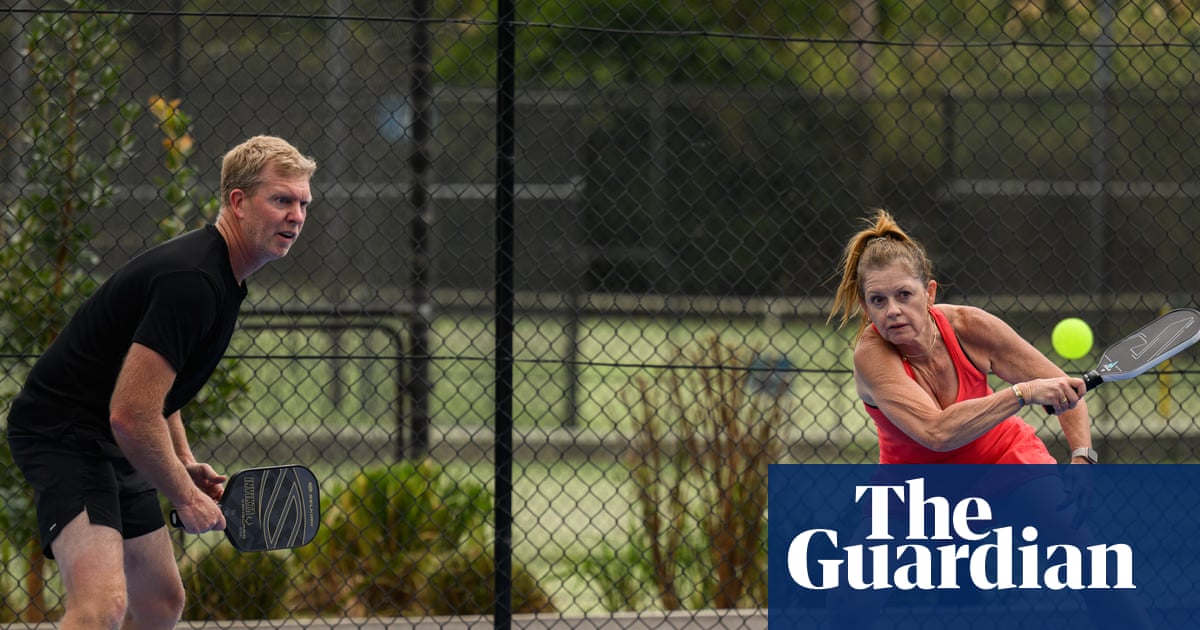
Are you noticing more pickleball courts popping up in your community? This rapidly growing sport, alongside activities like hiking and dancing, represents more than just a new hobby; it’s a powerful symbol of a growing movement towards active aging. While concerns about injuries, notably among older adults, are valid, the greater risk lies not in doing too much, but in doing too little. This article explores the vital connection between physical activity and healthy aging, addressing common concerns and offering practical advice for staying strong and self-reliant. We’ll delve into the benefits of joyful movement, the specific challenges faced by women during menopause, and how to navigate potential risks like pickleball injuries while maximizing the rewards of an active lifestyle.
The Inactivity Epidemic: A Greater Threat Than Overexertion
Recent statistics paint a concerning picture. while a 2020 study indicated that 91% of pickleball injuries occured in individuals over 50, this statistic often misses the crucial context: the majority of pickleball players are over 50! Focusing solely on injury rates can be misleading. The real public health crisis isn’t people pushing their limits – it’s the widespread prevalence of inactivity.
Fragility isn’t an inevitable result of aging; it’s often a result of disuse. Fitness, encompassing strength, endurance, versatility, and balance, is the strongest predictor of long-term health and independence. This is particularly critical as we age,and even more so for women navigating the physiological changes of menopause.
Menopause & Muscle: A Critical Window for Action
Women experience a unique set of challenges during menopause, including an accelerated loss of both bone density and muscle mass due to declining estrogen levels. This can lead to increased risk of osteoporosis,falls,and reduced mobility. However, despite this vulnerability, a staggering 84% of inactive women going through menopause want to be more active, and 90% would embrace activity if advised by a healthcare professional (women in Sport, 2022).
This highlights a significant disconnect between desire and action, often stemming from societal expectations and a lack of accessible, tailored guidance. There’s a lingering, and frankly outdated, acceptance of frailty in older women – the image of a woman reliant on a walking aid. We need to actively challenge this narrative and empower women to prioritize their physical well-being throughout their lives.
Navigating the Risks: Injury Prevention & Smart Exercise
While embracing activity is crucial, it’s equally vital to do so safely. Pickleball injuries, like sprains, strains, and fractures, can occur, but they are often preventable with proper planning and technique.
Here’s a step-by-step guide to minimizing risk:
- Warm-up Properly: Before any activity, dedicate 5-10 minutes to dynamic stretching and light cardio.
- Focus on Form: Consider taking lessons or working with a coach to ensure correct technique.poor form significantly increases the risk of injury.
- Gradual Progression: Don’t try to do too much too soon. Gradually increase the intensity and duration of your workouts.
- Strength Training: Incorporate strength training exercises 2-3 times per week to build muscle and support your joints.
- Listen to Your Body: Pay attention to pain signals and rest when needed. Don’t push through pain.
- Cool Down & Stretch: End your workout with static stretching to improve flexibility and reduce muscle soreness.
Here’s a quick
Keep reading