
In the high-stakes environment of coastal rescue, the difference between a successful save and a tragedy is often measured in seconds. At Piha Beach, one of New Zealand’s most treacherous coastal stretches, those seconds are currently the subject of a tense debate between frontline surf lifeguards and emergency coordination authorities.
Piha is widely recognized as a “drowning blackspot,” characterized by powerful rip currents and unpredictable surf conditions that routinely challenge even the most experienced swimmers. For the volunteer lifeguards who patrol these shores, the efficiency of the rescue chain—from the initial distress call to the arrival of specialized air support—is the only reliable safeguard against the beach’s inherent volatility.
However, concerns have emerged regarding the activation of these critical rescues. Volunteer patrol captains have raised questions with the New Zealand Police about potential delays and a perceived increase in bureaucratic friction that may be slowing down the deployment of life-saving assets. At the heart of the issue is a shift in operational workflows that some veterans claim has replaced streamlined communication with “red tape.”
From an operational perspective, the friction is not merely a matter of administrative annoyance; it is a matter of risk management. When emergency protocols become overly procedural, the “golden hour” of emergency medicine and rescue is compromised. For a beach as dangerous as Piha, any delay in activating a helicopter or an ambulance can have catastrophic consequences.
The Operational Friction: From Workflows to Red Tape
The concerns were brought to the forefront by Antony Smith, a long-time volunteer patrol captain at Piha. Smith has observed a troubling trend in how rescues are coordinated, noting that what was once a direct and simple communication flow has evolved into something far more cumbersome. According to Smith, the current system has become “more procedural, more red tape,” creating an environment where the speed of response may be sacrificed for the sake of protocol.
This sentiment reflects a broader tension often seen in emergency services: the balance between necessary oversight and the need for rapid, decisive action. While procedural checkpoints are designed to ensure accuracy and safety, in the context of a drowning victim, an overly rigid hierarchy can lead to fatal delays. Smith expressed his frustration by questioning why the best available resources are not being deployed with the urgency the environment demands, stating, “Why are you not giving me the best or why am I having to be concerned?”
The impact of these delays is not theoretical. In the volatile waters of the west coast, the window to recover an unconscious swimmer is incredibly narrow. The shift toward a more “cumbersome” workflow suggests a systemic drift where administrative compliance may be inadvertently prioritized over operational agility.
The Capability Gap: Rescue vs. Surveillance Aircraft
A primary point of contention in the current dispute is the type of aerial support dispatched to Piha during emergencies. Not all helicopters are created equal, and in a medical emergency, the distinction between a surveillance aircraft and a rescue aircraft is critical.
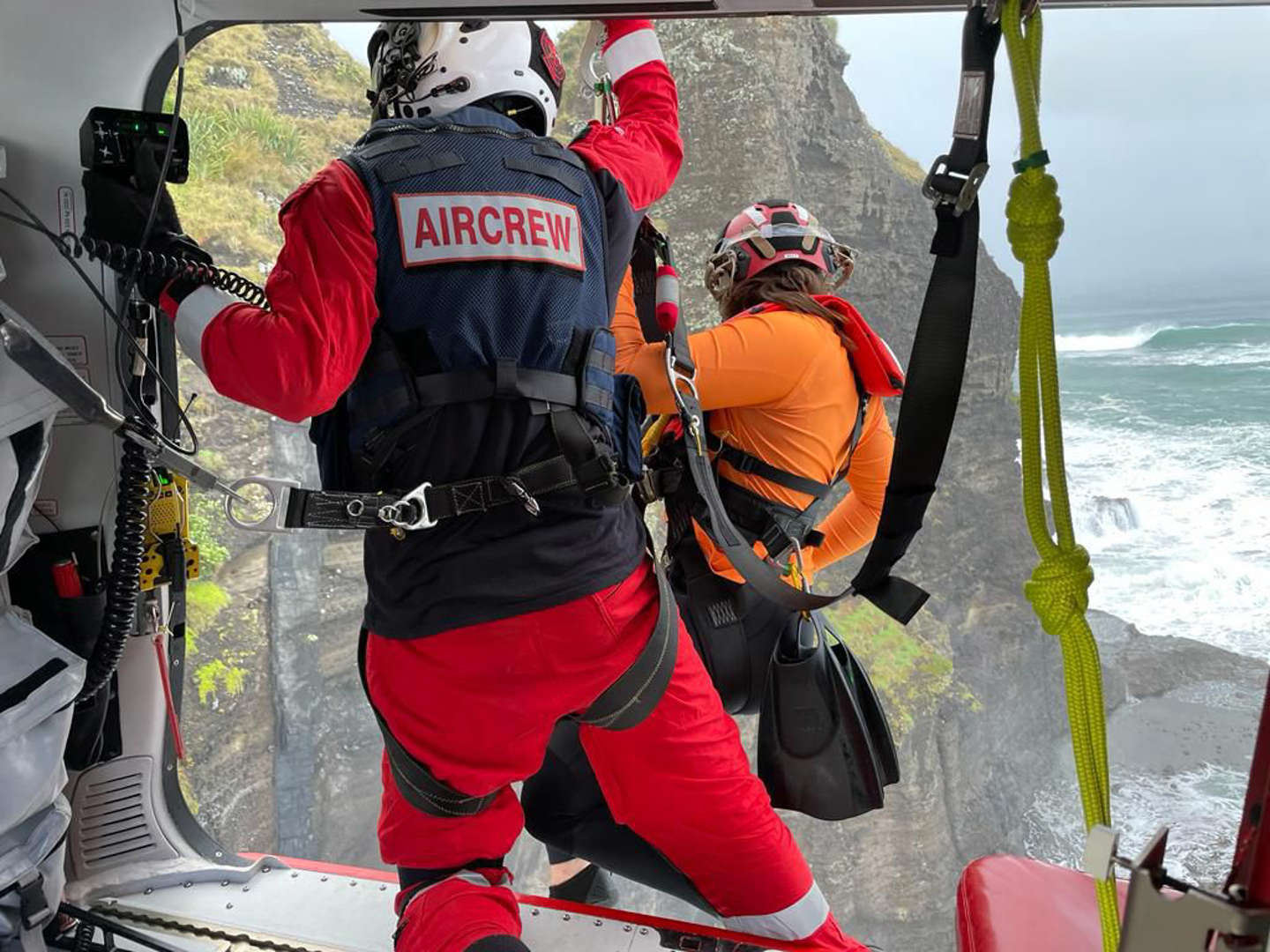
Lifeguards have raised concerns that the Police Eagle helicopter is sometimes deployed in situations where the Surf Life Saving New Zealand assets or the better-equipped Westpac Rescue helicopters would be more appropriate. While the Police Eagle is an invaluable tool for search, surveillance, and transport, it lacks the specialized medical equipment and winch capabilities required for complex water recoveries and immediate advanced life support.
The concern is that if a road ambulance is sent instead of a helicopter, or if a surveillance chopper arrives in place of a rescue-equipped one, the patient’s chances of survival diminish. The Westpac Rescue Helicopter service provides a level of clinical care in the air that the police aircraft is not designed to match. For rescuers on the ground, the arrival of the “wrong” asset can feel like a failure of the system to understand the specific needs of a drowning victim.
Institutional Responses and the Path to Coordination
In response to these concerns, both the New Zealand Police and Surf Life Saving New Zealand have maintained that their cooperation remains strong. The two agencies confirmed that a meeting was held seven months ago to address the issues raised by frontline personnel. Both organizations insist that this meeting was a standard part of their debriefing process, intended to refine coordination and learn from past operations.
The official stance from the agencies is one of collaboration. They argue that the systems in place are designed to ensure the safest and most effective use of resources. However, the fact that these concerns were raised by a veteran patrol captain suggests a disconnect between the high-level administrative view of “cooperation” and the ground-level experience of “delay.”
For the police, the coordination of air assets involves balancing multiple competing emergencies across a wide region. For the lifeguard on the beach, however, the only priority is the person in the water. This divergence in perspective is where the perceived “red tape” often originates.
A Legacy of Lifesaving
The urgency felt by current volunteers is deeply rooted in the history of rescue services in Auckland. Antony Smith’s advocacy is influenced by the legacy of his late father, Warren Smith, who was instrumental in the establishment of Auckland’s Westpac Rescue Helicopters. Warren Smith is often described as the “glue” that held the early rescue infrastructure together, emphasizing a model of efficiency and rapid response.
This historical context underscores why current volunteers are so sensitive to any perceived degradation in service. They are not merely complaining about paperwork; they are defending a standard of care that was built on the principle of getting the right help to the right place as fast as humanly possible. The fear that “someone could die” due to procedural delays is a reflection of the high stakes inherent in the role of a volunteer lifeguard.
Key Takeaways: Rescue Coordination at Piha
- Operational Concerns: Volunteer lifeguards report that rescue activation has become “more cumbersome” and burdened by “red tape.”
- Asset Mismatch: There are concerns that the Police Eagle helicopter (surveillance/transport) is sometimes sent instead of the more medically equipped Westpac Rescue helicopter.
- Institutional Stance: New Zealand Police and Surf Life Saving NZ maintain that they cooperate well and use debriefs to improve coordination.
- High-Risk Environment: Piha remains a notorious “drowning blackspot,” making the speed and type of emergency response critical for survival.
Analytical Perspective: The Risk of Bureaucratic Drift
As an economist and editor focusing on operational efficiency, the situation at Piha is a classic example of “bureaucratic drift.” This occurs when an organization’s internal processes—originally designed to improve safety or accountability—become so complex that they begin to hinder the remarkably goal they were meant to support.
In most business environments, a slower workflow results in lost revenue or decreased productivity. In emergency services, the “cost” of bureaucratic drift is measured in human lives. When a communication flow becomes “procedural” to the point of being cumbersome, the system is no longer optimizing for the outcome (saving a life) but for the process (following the rulebook).
To resolve this, the New Zealand Police and rescue agencies must move beyond general claims of “cooperation” and implement a transparent, data-driven review of activation times. By analyzing the time elapsed from the first lifeguard alert to the arrival of the appropriate asset, the agencies can identify exactly where the bottlenecks are occurring.
The goal should be a “frictionless” activation model. In high-risk zones like Piha, the system should default to the highest level of support available until a commanding officer determines a lower level of response is sufficient, rather than requiring a series of procedural hurdles to “unlock” the best assets.
The next confirmed checkpoint for this issue is the ongoing series of operational debriefs between Surf Life Saving New Zealand and the police, which are intended to refine the coordination of air and land assets for the upcoming peak summer season.
Do you believe emergency protocols should be streamlined at the cost of strict oversight, or is procedural rigor necessary for safety? Share your thoughts in the comments below.
Related reading