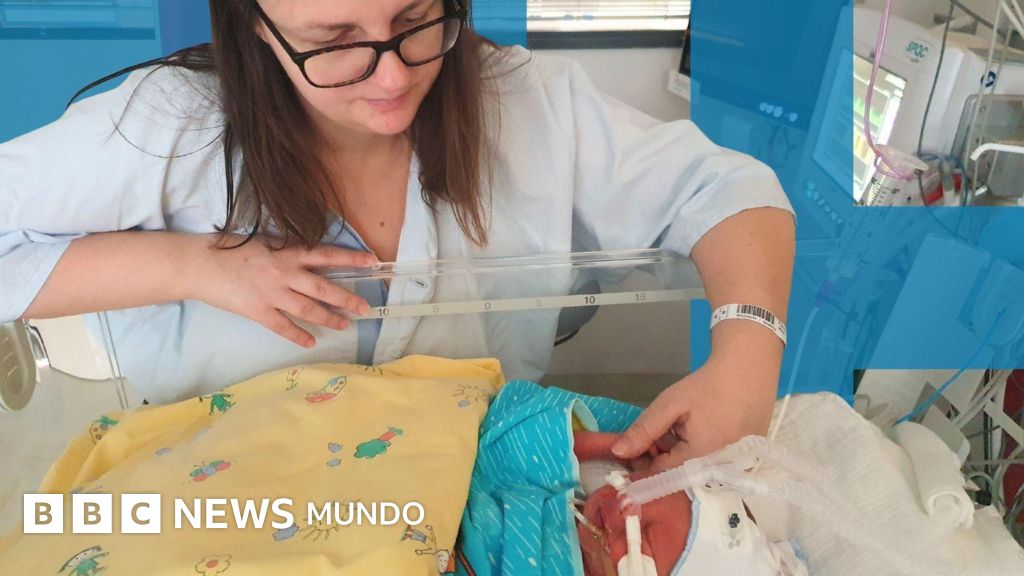
Preeclampsia remains one of the most significant challenges in modern obstetrics, presenting a complex clinical landscape that demands both urgent intervention and long-term research. As a physician who has spent over a decade navigating the intricacies of internal medicine and medical innovation, I have closely monitored the evolving approaches to managing this pregnancy-related hypertensive disorder. Recent advancements in clinical trials are now shedding light on potential new avenues for treatment, offering a glimmer of optimism for clinicians and patients facing this life-altering condition.
The pursuit of a pioneering treatment for preeclampsia is a critical priority for maternal health globally. Preeclampsia is defined by the sudden onset of high blood pressure and signs of damage to other organ systems, most often the liver and kidneys, typically occurring after 20 weeks of pregnancy. According to the World Health Organization (WHO), preeclampsia and eclampsia are leading causes of maternal and perinatal morbidity and mortality, necessitating rigorous scientific investigation to improve clinical outcomes.
Understanding the Pathophysiology of Preeclampsia
To appreciate the significance of recent clinical efforts, one must understand the underlying mechanism of the disease. Preeclampsia is widely considered a disorder of placental origin. The National Institutes of Health (NIH) notes that the condition involves an abnormal interaction between the placenta and the maternal circulatory system, leading to systemic endothelial dysfunction. This dysfunction results in the clinical hallmarks of the disease: hypertension and proteinuria, or signs of end-organ damage.

The global impact of this condition is profound. While precise mortality figures can vary by region due to differences in healthcare infrastructure and diagnostic capacity, the March of Dimes highlights that preeclampsia remains a major contributor to preterm birth and maternal complications. Addressing this requires more than just symptom management; it requires targeting the biological pathways that initiate the cascade of organ damage.
The Evolution of Clinical Research
Current research efforts are increasingly focused on identifying biomarkers that can predict the onset of preeclampsia, allowing for earlier intervention. In many clinical settings, the standard of care involves close monitoring of blood pressure and, in severe cases, the administration of magnesium sulfate to prevent seizures, as outlined by the American College of Obstetricians and Gynecologists (ACOG). However, these are palliative measures rather than curative ones.
The emergence of new trial designs reflects a shift toward understanding the molecular triggers of the disease. By investigating the role of anti-angiogenic factors—proteins that are released by the placenta and interfere with the health of maternal blood vessels—researchers are attempting to develop therapies that could potentially stabilize the condition. These pioneering efforts aim to prolong pregnancies to a point where the fetus is viable, thereby significantly reducing the risks associated with extreme prematurity.
Clinical Challenges and Future Directions
Translating laboratory findings into clinical practice is a rigorous process. Any new therapy must undergo stringent phase testing to ensure both safety for the mother and efficacy in managing the disease process. The U.S. Food and Drug Administration (FDA) maintains a detailed framework for the development of new medical products, emphasizing the necessity of randomized, controlled trials to establish a clear benefit-risk profile.
For patients, the current landscape emphasizes early detection. Expectant mothers are encouraged to maintain consistent prenatal care, which remains the most effective tool in identifying the subtle warning signs of preeclampsia, such as persistent headaches, vision changes, or sudden edema. As medical innovation continues to advance, the integration of digital health tools and improved diagnostic screening may further refine our ability to manage this complex condition.
Key Takeaways for Maternal Health
- Early Detection is Vital: Regular prenatal visits allow for the monitoring of blood pressure, the primary indicator of preeclampsia.
- Multidisciplinary Care: Management often involves a team of obstetricians, maternal-fetal medicine specialists, and, in severe cases, neonatologists.
- Ongoing Innovation: Research into placental health and anti-angiogenic pathways represents the next frontier in maternal-fetal medicine.
- Public Health Priority: Reducing the global burden of preeclampsia requires continued investment in healthcare access and diagnostic infrastructure.
As we look toward the future, the integration of these pioneering research findings into routine clinical practice will be the next major checkpoint. We anticipate further updates as clinical trials conclude their primary data analysis phases and submit findings for peer-reviewed publication. I invite our readers to share their thoughts and experiences with maternal health advocacy in the comments section below, as we continue to track these essential developments in global health.

Related reading