
The Science-Backed Benefits of a Vegetarian Diet—What Experts Say About Health and the Planet
A vegetarian diet can reduce the risk of heart disease by up to 32% and lower the likelihood of type 2 diabetes by 23%, according to a 2023 meta-analysis published in The Journal of the American Heart Association. Beyond personal health, plant-based eating also cuts greenhouse gas emissions by nearly half compared to omnivorous diets, aligning with recommendations from the EAT-Lancet Commission on sustainable food systems.
Yet despite these well-documented advantages, misconceptions persist—from concerns about protein deficiency to skepticism about long-term nutritional adequacy. This article separates fact from myth, synthesizing the latest research on vegetarian diets, their health impacts, and their role in global sustainability. We’ll also address practical questions: What does a balanced vegetarian diet look like? Who might need to be cautious? And how can you transition without compromising nutrition?
The evidence is clear: A well-planned vegetarian diet isn’t just a lifestyle choice—it’s a scientifically supported strategy for individual and planetary well-being. Below, we break down the key findings, expert recommendations, and actionable insights.

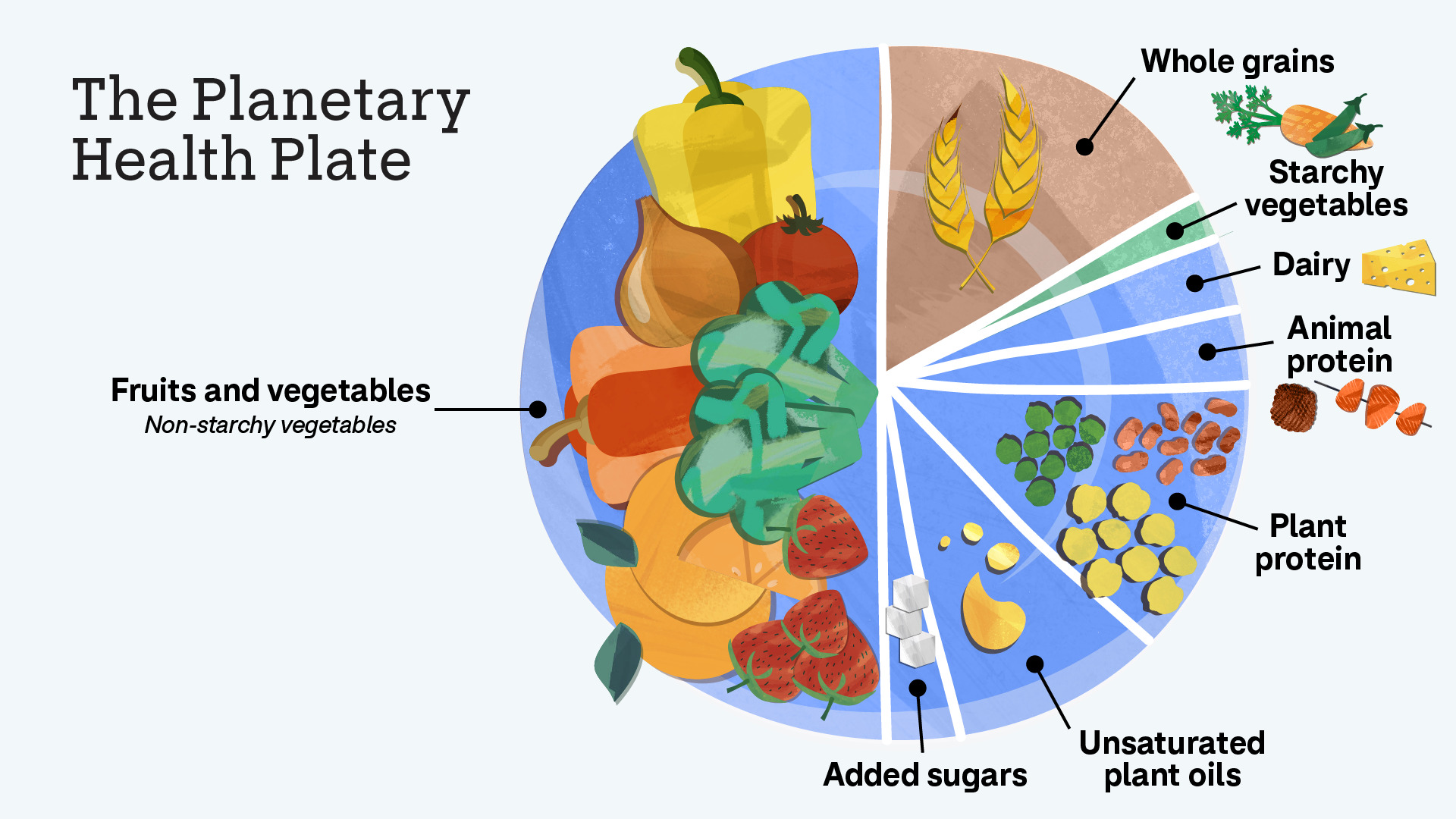
Source: EAT-Lancet Commission visualization of the Planetary Health Diet (2019)
Why a Vegetarian Diet Reduces Chronic Disease Risk—The Data
Large-scale studies consistently show that vegetarians have lower rates of obesity, hypertension, and certain cancers. A 2022 study in JAMA Internal Medicine found that vegetarians had a 15% lower risk of all-cause mortality compared to non-vegetarians over a 18-year follow-up period. The protective effects are strongest for:
- Heart disease: Vegetarians have a 25–30% lower risk of coronary heart disease, primarily due to lower LDL cholesterol and blood pressure (American Heart Association).
- Type 2 diabetes: Plant-based diets improve insulin sensitivity, reducing diabetes risk by up to 34% (Diabetes Care).
- Colorectal cancer: A 2021 meta-analysis linked vegetarian diets to a 22% lower risk of colorectal cancer (Cancer Epidemiology).
“The key isn’t just avoiding meat—it’s replacing it with nutrient-dense plant foods like whole grains, legumes, and vegetables,” says Dr. Walter Willett, chair of the nutrition department at Harvard T.H. Chan School of Public Health. “These foods are rich in fiber, antioxidants, and phytonutrients that traditional diets often lack.”
Protein Myth Debunked: How Vegetarians Meet Daily Requirements
One of the most persistent myths is that vegetarians struggle to get enough protein. However, the FAO’s 2013 protein requirements report confirms that even the most active individuals can meet needs with plant sources alone. Here’s how:
- Legumes (lentils, chickpeas, beans): 15g protein per cooked cup.
- Tofu and tempeh: 10–20g protein per 100g serving.
- Quinoa: 8g protein per cooked cup.
- Nuts and seeds: 5–7g protein per ounce.
“Combining incomplete proteins—like rice and beans—throughout the day ensures you get all essential amino acids,” explains the Academy of Nutrition and Dietetics. “Even athletes can thrive on vegetarian diets, as shown by studies on endurance runners and bodybuilders.”
| Food | Protein (per 100g) | Key Nutrients |
|---|---|---|
| Lentils (cooked) | 9g | Iron, folate, fiber |
| Tofu | 10–15g | Calcium, magnesium |
| Chickpeas (cooked) | 9g | Fiber, zinc |
| Quinoa (cooked) | 4.4g | Complete protein, lysine |
Source: USDA FoodData Central (2023)
The Environmental Case: How Vegetarian Diets Cut Carbon Footprints
A 2020 study in Science estimated that global food systems contribute 25–30% of greenhouse gas emissions. Shifting to a vegetarian diet could reduce an individual’s carbon footprint by 30–50%, according to the University of Oxford’s Food Climate Research Network. Key environmental benefits include:
- Lower water use: Producing 1kg of beef requires 15,000 liters of water; 1kg of lentils needs just 1,000 liters (World Resources Institute).
- Reduced land use: Livestock occupies 77% of agricultural land but produces only 18% of global calories (FAO).
- Lower methane emissions: Cattle produce 44% of agricultural methane, a potent greenhouse gas (IPCC AR6).
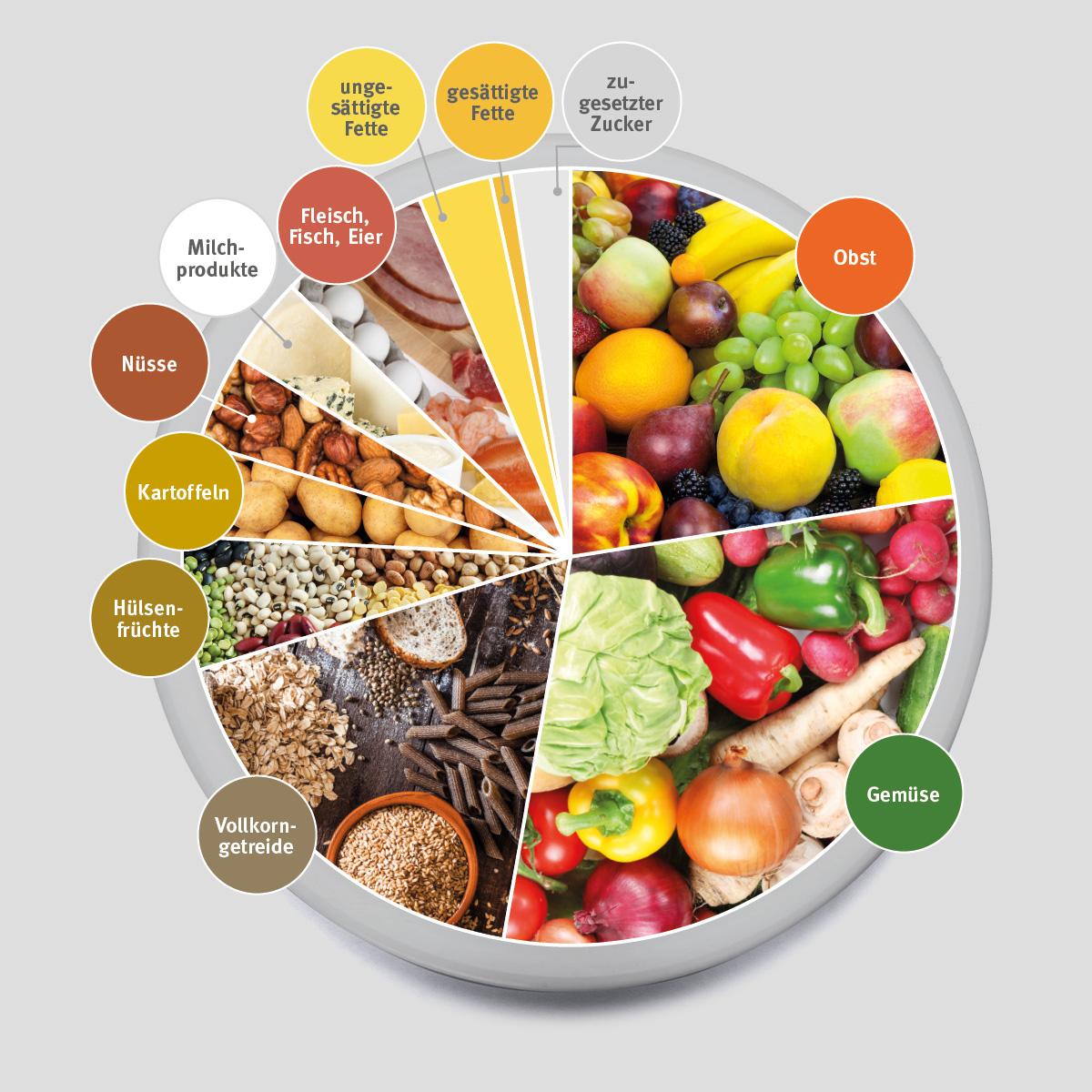
The Planetary Health Diet, developed by 37 leading scientists, recommends halving global meat consumption to meet climate and health goals. While not strictly vegetarian, it prioritizes plant-based foods and limits red meat to once per month.
Who Should Be Cautious? Nutritional Pitfalls and Solutions
Vegetarian diets can be risky for specific groups if not carefully planned. Key deficiencies to monitor:
- Vitamin B12: Critical for nerve function; vegetarians should supplement or eat fortified foods (NIH).
- Iron (non-heme): Plant-based iron is less absorbable; pair with vitamin C (e.g., lentils + lemon) to boost uptake.
- Omega-3s (DHA/EPA): Algae-based supplements are recommended for vegans (Academy of Nutrition and Dietetics).
- Calcium: Fortified plant milks, tofu, and leafy greens can meet needs, but some may require supplements.
“Pregnant women, children, and those with malabsorption issues should work with a dietitian to ensure adequate nutrient intake,” advises the American Dietetic Association. “Screening for deficiencies is especially important during rapid growth phases.”
Practical Guide: How to Transition to a Vegetarian Diet Without Deficiencies
Switching to vegetarianism doesn’t require drastic changes—small, intentional swaps can make a difference. Here’s a step-by-step approach:
- Start with meals: Replace one meat-based meal per day with a plant-based alternative (e.g., lentil curry instead of chicken).
- Boost protein: Add beans, tofu, or quinoa to salads, soups, and stir-fries.
- Fortify staples: Choose whole-grain bread, fortified cereals, and plant-based milks.
- Prioritize variety: Eat a rainbow of fruits and vegetables to cover micronutrients.
- Supplement strategically: B12 supplements (50–100mcg weekly) and vitamin D if levels are low.
“The Mediterranean diet, which includes fish and dairy but limits red meat, is a great model for vegetarians,” says Dr. Fischer. “It emphasizes olive oil, nuts, legumes, and seasonal produce—all of which are easy to incorporate.”

Source: Oldways Preservation Trust (Mediterranean Diet Pyramid)
What Happens Next? Policy and Research on the Horizon
As interest in plant-based diets grows, so does scientific and policy attention. Key developments to watch:
- EU Farm to Fork Strategy (2030): Aims to reduce meat consumption by 50% in the EU through subsidies for plant-based alternatives (EU Commission).
- Global Burden of Disease Study (2024): Upcoming updates may refine estimates on how diet shifts affect longevity in low-income countries (The Lancet).
- Lab-grown meat regulations: The FDA and USDA are finalizing guidelines for cultivated meat, which could further diversify protein options (FDA).
For individuals, the next step is simple: Start small, focus on whole foods, and consult a dietitian if needed. The evidence is clear—a vegetarian diet isn’t just beneficial; it’s a practical choice for health and sustainability.
Key Takeaways
- A well-planned vegetarian diet reduces heart disease risk by up to 32% and diabetes risk by 23%.
- Plant-based diets cut greenhouse gas emissions by 30–50% compared to omnivorous diets.
- Protein, B12, iron, and omega-3s are the most critical nutrients to monitor; supplements can fill gaps.
- Gradual transitions (e.g., Meatless Mondays) make sustainable changes easier.
- Policy shifts in the EU and emerging lab-grown meat options may further normalize plant-based eating.
Have you made the switch to vegetarianism? What challenges or successes have you experienced? Share your stories in the comments—or tag @WorldTodayJrnl to continue the conversation.
Related reading
- Free Eating Disorder Summer Camp: Animenta Helps Patients Rediscover Themselves
- DRC Reports Ebola Surge to 4,120 Confirmed Cases Amid Treatment Center Strain
- Louisiana Flesh-Eating Bacteria Warning: Beach Safety & Risks (archyworldys.com)
- Why Oral Health Is More Important Than You Think (archynewsy.com)