
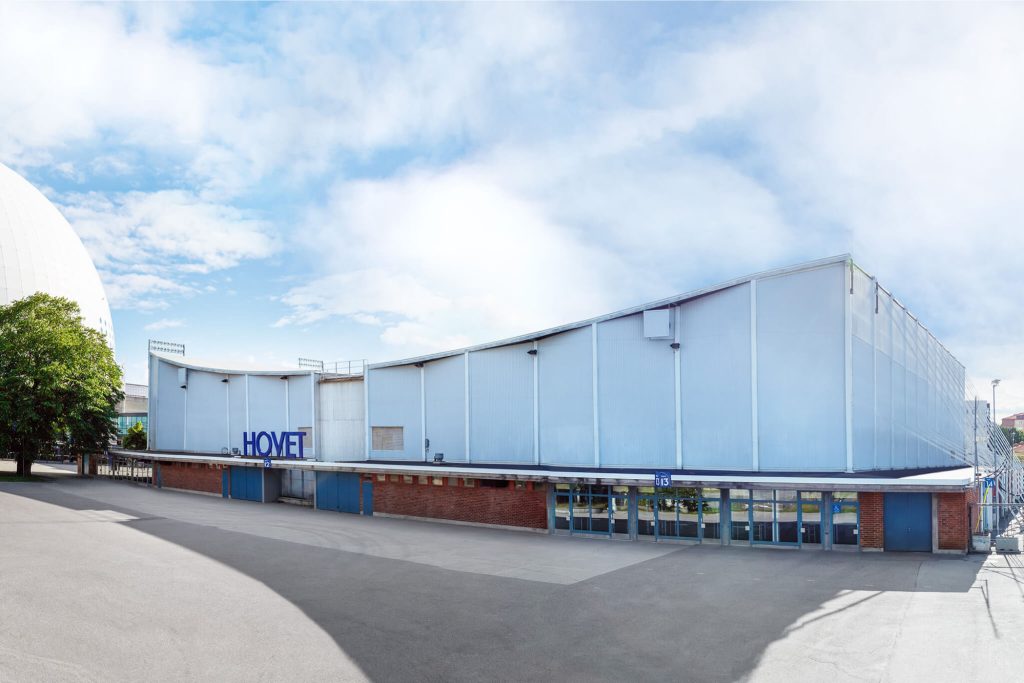
The future of Stockholm’s sporting infrastructure has taken a significant step forward as stakeholders navigate the evolving landscape for professional ice hockey facilities. As the sports editor for World Today Journal, I have followed the ongoing discussions regarding the long-term viability of historic venues in the Swedish capital. Recent developments have placed the spotlight on Hovet, an arena with a deep-rooted history in Swedish sports, as planners and club representatives evaluate the path toward modernization.
For decades, Hovet has served as a central hub for ice hockey in Stockholm, playing host to major clubs and international events. However, as standards for modern sporting facilities continue to rise, the conversation has shifted toward the necessity of developing a new, state-of-the-art hockey arena to meet the needs of contemporary athletes and fans alike. This transition marks a pivotal moment for the sport in the region, reflecting broader trends in European arena management where aging infrastructure is increasingly being replaced by multifunctional, high-capacity venues.
A Historic Venue at a Crossroads
Inaugurated in 1955 as Johanneshovs Isstadion, Hovet has long been considered one of Sweden’s most significant arenas. It was officially renamed Hovet in 1989, solidifying its place in the cultural and sporting fabric of Stockholm. Throughout its existence, the venue has not only been the home ground for major hockey clubs like AIK Hockey and Djurgården Hockey but has also functioned as a versatile space for concerts and international sporting championships, including boxing events that have drawn massive crowds as detailed in the official arena history.
Despite its storied past, the arena’s capacity—approximately 8,100 for sports and up to 9,000 for events depending on the layout—faces challenges in the current market. Modern requirements for fan experience, safety, and commercial utility have led to a consensus among city officials and club leadership that the site requires a comprehensive re-evaluation. The current discourse revolves around whether to renovate existing structures or prioritize the construction of a purpose-built facility that aligns with 21st-century architectural and operational standards.
The Strategic Shift Toward Modernization
The push for a new arena is not merely about replacing an old building. it is a strategic effort to ensure Stockholm remains a competitive destination for elite-level hockey. By transitioning to a new facility, stakeholders aim to enhance the match-day experience, which has become a primary driver of revenue and fan engagement in professional football and hockey alike. For a club like AIK, which maintains a massive presence in Swedish sports with its football department boasting high attendance records, the quality of infrastructure is intrinsically linked to the club’s growth and competitive ambition as noted in organizational records.
While the planning process involves complex negotiations between municipal authorities and sporting organizations, the shared goal is to create an environment that fosters long-term stability. The integration of modern technology, improved accessibility, and premium hospitality spaces are key components that planners are reportedly prioritizing. This shift reflects the importance of balancing heritage with the demands of a modern, globalized sports industry.
What This Means for Supporters and the City
For the loyal fan bases of the clubs involved, the transition to a new arena represents both an opportunity and a challenge. Maintaining the atmosphere and “fortress” feeling of a home ground is a priority for supporters who have spent generations in venues like Hovet or Strawberry Arena. The transition process, requires careful consideration of how to translate the emotional connection to a legacy venue into a new, modern space.
As the project moves from the conceptual phase to more concrete planning, the impact on the local community in Stockholm will be significant. Beyond the sporting benefits, a new arena is expected to serve as a catalyst for urban development, potentially bringing new business opportunities, improved transport links, and a rejuvenated public space to the surrounding area. The ongoing dialogue between city planners and the sports clubs remains the most critical factor in determining the timeline and scope of these developments.
Looking Ahead
The journey toward a new hockey arena in Stockholm is a complex, multi-year undertaking. While the vision for a modernized facility is clear, the practical steps—including funding, architectural design, and environmental assessments—are still in the unfolding stages. Supporters and stakeholders are encouraged to keep a close eye on official municipal announcements and club statements for the most accurate and up-to-date information as the project progresses.
At World Today Journal, we are committed to tracking these developments as they impact the landscape of international sport. The evolution of Stockholm’s arena infrastructure is a testament to the city’s enduring passion for hockey and its determination to remain a leader in the global sporting community. We invite our readers to stay engaged, share their thoughts on the proposed changes, and join the conversation as we continue to report on this significant transition.