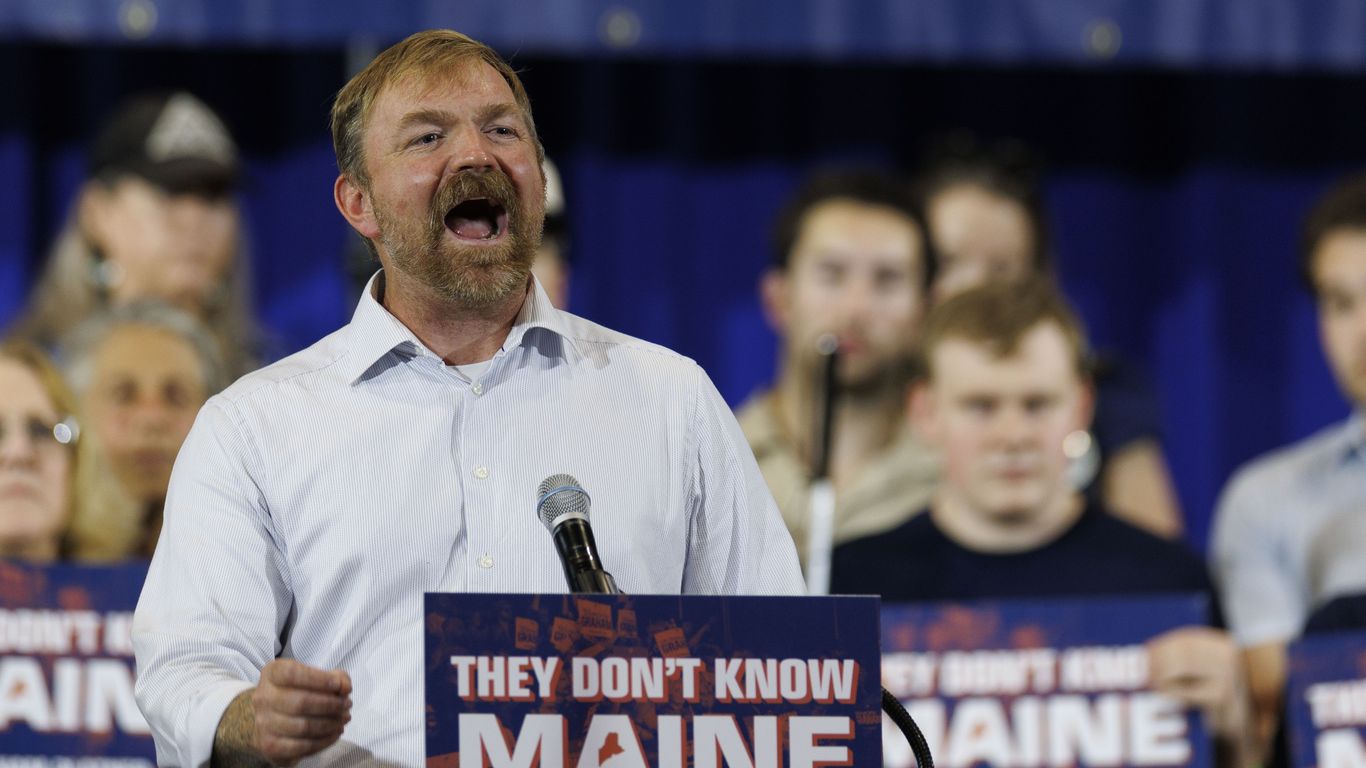
Maine Democratic voters selected Graham Platner as their nominee in Tuesday’s Senate primary, moving the progressive challenger forward to a general election contest against five-term Republican incumbent Senator Susan Collins. The result, confirmed by official state primary returns, sets the stage for a high-stakes campaign in a seat considered essential to the balance of power in the U.S. Senate. Despite a series of controversies involving his past conduct, Platner secured a substantial majority of the vote, signaling a shift in the electoral priorities of the state’s Democratic base.
The primary outcome underscores a growing ideological divide within the Democratic Party, as voters favored an insurgent candidate over more established figures. For the national party apparatus, the result presents a complex strategic challenge. While Senate Democratic leadership and affiliated political action committees have moved to consolidate support behind the nominee, the campaign is expected to draw significant national attention and financial investment from both sides of the aisle, according to Federal Election Commission reporting standards regarding campaign finance activity.
The Path to the Nomination
Graham Platner’s victory was cemented by a decisive margin in the primary, according to Maine Secretary of State election data. Throughout the primary season, Platner positioned his campaign as a populist movement, frequently criticizing the political establishment and national party elites. His rhetoric focused on his background as a Marine combat veteran and his opposition to current defense spending policies, which he characterized as detrimental to the interests of working-class citizens.

The primary contest saw Platner emerge as the clear choice for voters, successfully navigating a field that included moderate Democrats. Political analysts note that the outcome reflects a broader trend within the party where voters appear increasingly willing to overlook personal controversies in favor of candidates who promise a departure from traditional political norms. This shift in voter sentiment has been observed in various state-level races across the country, as documented by Pew Research Center studies on party polarization.
Addressing Campaign Controversies
Throughout the campaign, Platner faced intense scrutiny regarding his personal history, including reports of past behavior that drew criticism from both Republican opponents and some within his own party. These revelations, which included reports of inappropriate communications and questions regarding personal conduct, became central themes in the discourse surrounding the primary. Despite these challenges, Platner maintained a consistent message that his campaign was representative of a larger movement rather than a reflection of his individual past.
The Republican National Committee and other conservative organizations have signaled their intent to make these issues a primary focus of the general election. Republican National Committee Chair Joe Gruters issued a public statement condemning the nominee’s past, setting the tone for what is anticipated to be a contentious and aggressive campaign cycle. The upcoming election will likely serve as a referendum on whether these controversies will impact the broader electorate, a dynamic that remains a subject of ongoing analysis by outlets such as the Associated Press.
Strategic Implications for the Senate
The matchup between Platner and Senator Susan Collins is expected to be one of the most closely watched races in the November general election. Senator Collins, a fixture in Maine politics for decades, has historically maintained a profile as a moderate, often serving as a pivotal vote on key legislation in the Senate. The arrival of a progressive challenger who explicitly rejects the conventional political establishment creates a stark contrast that will likely define the contours of the race.

National party leaders, including Senate Minority Leader Chuck Schumer, have issued statements acknowledging the primary results and expressing support for the party’s nominee. This alignment is critical, as the Maine seat represents a potential opportunity for Democrats to influence the composition of the Senate, according to U.S. Senate institutional records. The ability of the campaign to translate primary support into a broader coalition will be the next major hurdle as the general election approaches.
Broader Context of Primary Results
Tuesday’s primaries also provided evidence of the continued influence of former President Donald Trump within the Republican Party. In South Carolina, the candidate endorsed by the former president for governor advanced to a runoff, reinforcing the trend of primary voters aligning with his preferred picks. Conversely, candidates who have distanced themselves from the party’s current leadership, such as Representative Nancy Mace, faced significant electoral setbacks, as reported by Reuters election coverage.
This pattern of party-specific dynamics highlights the divergent paths taken by the two major parties. While Democrats are navigating a shift toward more progressive, outsider candidates, Republicans continue to grapple with the degree of influence exerted by their party’s most prominent national figures. These trends suggest that the November elections will be shaped as much by internal party dynamics as by the specific policy differences between candidates.
The next major milestone in the Maine race will be the filing of campaign financial disclosures, which are mandated by the Federal Election Commission for all federal candidates. These reports will provide the first clear picture of the fundraising strength of both the Platner and Collins campaigns as they pivot toward the general election. Readers are encouraged to monitor official state election websites for updates on debate schedules and registration deadlines as the November vote nears.