
Centers for Medicare & Medicaid Services (CMS) Administrator Dr. Mehmet Oz recently outlined a multi-pronged strategy to reduce healthcare costs, focusing on five key areas including administrative efficiency, drug pricing, and preventative care. During his address at the Healthcare Financial Management Association (HFMA) Annual Conference, Oz emphasized that the agency intends to leverage technology and data-driven oversight to lower the financial burden on the Medicare program and its beneficiaries. These initiatives arrive as the federal government seeks to balance the rising costs of medical innovation with the long-term solvency of the Medicare Trust Fund, which is currently projected to be depleted by 2036 according to the most recent 2024 Annual Report of the Boards of Trustees of the Federal Hospital Insurance and Federal Supplementary Medical Insurance Trust Funds.
Addressing Medicare Fraud and Operational Waste
A primary pillar of the strategy involves aggressive identification of fraudulent billing and improper payments. Administrator Oz highlighted that the agency is updating its internal auditing processes to catch discrepancies in real-time rather than relying on retrospective reviews. The CMS fiscal year 2023 improper payment report identified significant challenges in Medicare Fee-for-Service, where improper payment rates have historically fluctuated due to complex documentation requirements. By streamlining these administrative hurdles, the agency aims to reduce the overhead costs that providers pass on to the system.

The agency’s focus on fraud detection is intended to prevent the loss of billions in taxpayer funds annually. According to the Department of Health and Human Services Office of Inspector General (OIG), which serves as the primary watchdog for CMS programs, identifying and recovering these funds is a critical step in stabilizing healthcare expenditures. Oz indicated that modernized oversight tools will allow CMS to flag anomalous billing patterns more efficiently, potentially lowering administrative costs for both the agency and healthcare facilities.
Drug Pricing and Pharmaceutical Transparency
Pharmaceutical costs remain a central concern for CMS, with the agency currently implementing provisions under the Inflation Reduction Act (IRA) of 2022. During his presentation, Oz discussed the role of price negotiations in curbing costs for high-expenditure medications. The CMS Medicare Drug Price Negotiation Program is currently in the process of setting maximum fair prices for a selected list of top-spending drugs, a move designed to lower out-of-pocket costs for seniors.
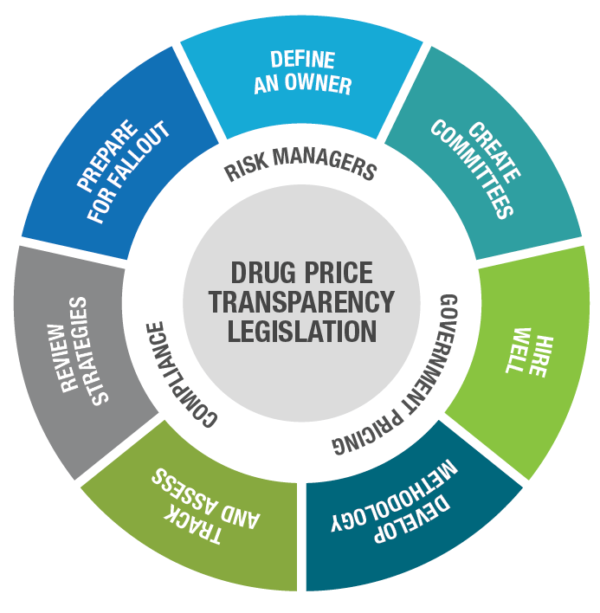
The strategy also touches upon the transparency of Pharmacy Benefit Managers (PBMs). Critics have long argued that the rebate systems used by PBMs inflate the cost of drugs before they reach the consumer. By increasing the visibility of these transactions, the agency hopes to foster a more competitive market. These efforts are part of a broader federal push to ensure that the savings negotiated by the government are directly passed down to patients at the pharmacy counter.
Promoting Preventative Care and Nutrition
The fifth area of focus involves a transition toward value-based care, with a specific emphasis on preventative health and nutrition. Administrator Oz noted that chronic diseases, many of which are linked to dietary habits, represent the majority of Medicare spending. By incentivizing providers to focus on wellness and early intervention, the agency aims to reduce the frequency of expensive hospital readmissions and emergency care.
This approach aligns with the White House National Strategy on Hunger, Nutrition, and Health, which advocates for integrating nutritional counseling into standard medical practice. The logic is straightforward: managing a patient’s diet and lifestyle before a condition becomes acute is significantly cheaper than treating the resulting complications. CMS is currently evaluating new payment models that would provide doctors with the financial flexibility to prescribe healthy foods or nutrition-based interventions as part of standard care plans.
What This Means for Providers and Patients
For healthcare providers, the proposed shifts suggest a move toward more integrated reporting and a potential reduction in the paperwork required for compliance. For patients, the primary objective is a reduction in the “financial toxicity” associated with chronic illness. However, the success of these initiatives depends heavily on the implementation of new data systems and the cooperation of private sector partners.
The next major checkpoint for these initiatives will be the release of the updated Medicare Physician Fee Schedule, which is expected to provide more detail on how these value-based changes will be codified into payment rates for the upcoming fiscal year. Stakeholders are encouraged to monitor the Federal Register for upcoming proposed rules and public comment periods, where the agency will solicit feedback from clinicians, patient advocacy groups, and industry experts.
Readers interested in the ongoing evolution of these policies can follow the latest updates through the official CMS Newsroom. We welcome your thoughts on these proposed changes—please share your perspective in the comments section below.