
San Francisco, USA — In a candid interview that underscores Sony’s strategic priorities for the PlayStation ecosystem, Christian Svensson, Vice President of Third-Party Content at Sony Interactive Entertainment (SIE), has reaffirmed the company’s long-standing commitment to third-party developers. Speaking to industry analysts, Svensson emphasized a philosophy that has become a cornerstone of PlayStation’s business model: without compelling third-party content, the hardware itself becomes little more than “a box in plastic.”
This declaration comes as Sony faces ongoing scrutiny over its 30% revenue cut on digital purchases through the PlayStation Store—a fee structure that has sparked debates across the gaming industry. Svensson’s remarks, however, frame the fee not as a burden but as a sustainable investment in the platform’s health, designed to foster an ecosystem where both Sony’s first-party titles and independent studios can thrive. “The PlayStation is only as valuable as the games that run on it,” Svensson stated, highlighting how Sony’s financial support for developers—including direct funding for over 120 projects in this console generation alone—directly influences the quality and diversity of its library.
For gamers and developers alike, the conversation around PlayStation’s business model extends beyond fees. It touches on Sony’s broader vision for gaming: one where innovation is democratized, and where the platform’s success is measured by the vibrancy of its third-party titles. With the PS5’s installed base continuing to grow and new exclusives like Horizon Hunters and Assassin’s Creed Black Flag: Resynced drawing attention, Svensson’s insights offer a rare behind-the-scenes look at how Sony balances profitability with its role as a catalyst for the industry.
Why Third-Party Games Are the Heart of PlayStation’s Strategy
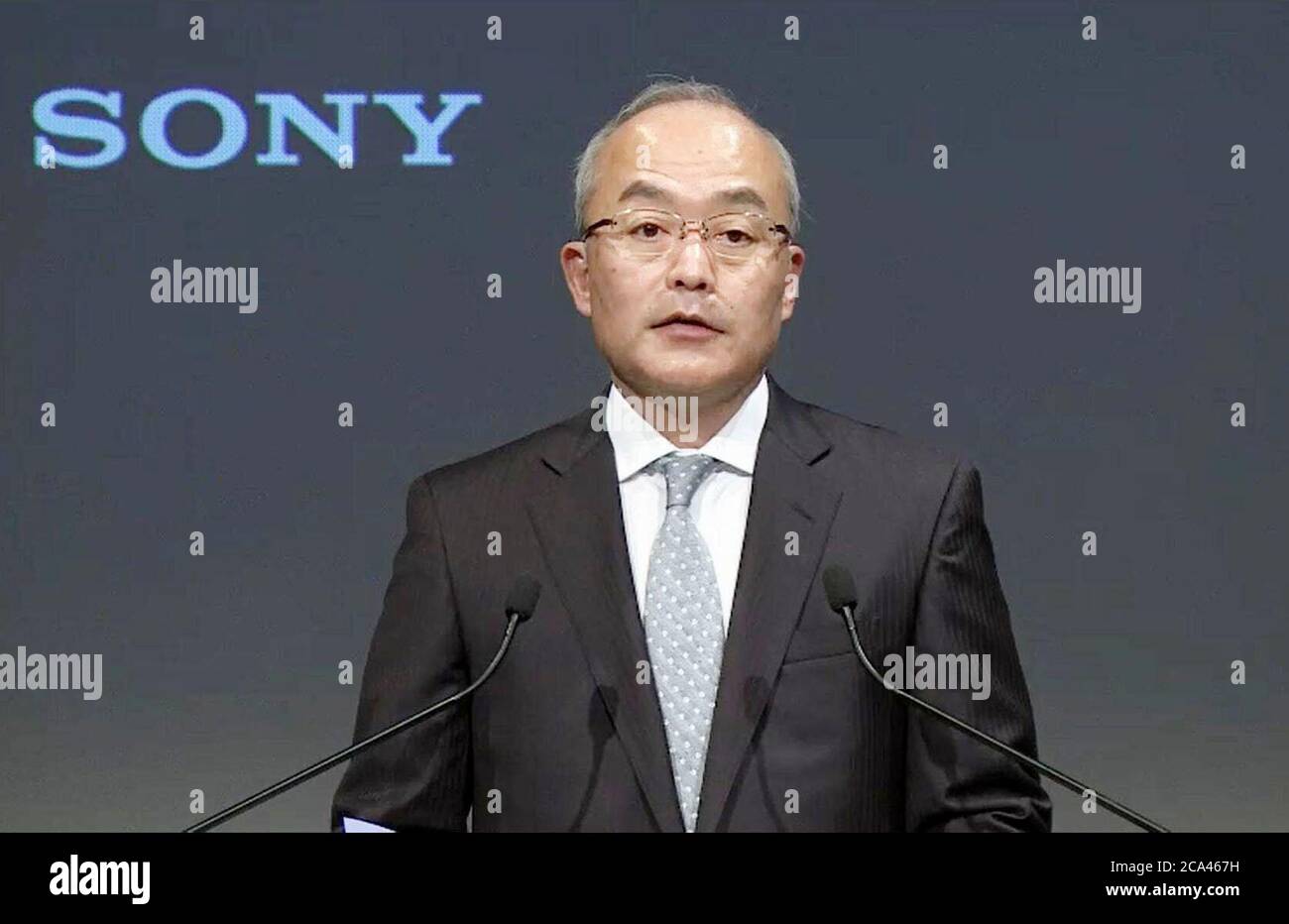
Sony’s approach to third-party content is rooted in a simple but powerful idea: the console’s hardware is merely the foundation. The real value lies in the experiences it enables. Svensson’s comments align with those of SIE President and CEO Hideaki Nishino, who has repeatedly stressed that PlayStation’s identity is defined by its games—not its plastic and silicon. “The PlayStation is a platform, not a product,” Nishino has said in previous interviews, a sentiment Svensson echoed by emphasizing the symbiotic relationship between Sony and its developer partners.
To sustain this relationship, Sony has invested heavily in its developer network. According to Svensson, the company supports approximately 10,000 developers and publishers globally through a combination of financial backing, technical resources, and marketing assistance. This support is not just about nurturing hits like God of War or Spider-Man; it’s about creating an environment where smaller studios can also succeed. “We’re not just looking for blockbusters,” Svensson noted. “We want to amplify new voices and diverse perspectives in gaming.”
This philosophy is reflected in Sony’s PlayStation Plus membership tiers, which offer monthly game rotations, online multiplayer access, and exclusive discounts. By curating a mix of first-party and third-party titles, Sony ensures that its subscription service remains attractive to a broad audience—whether they’re fans of AAA franchises or indie gems.
The 30% Fee: A Controversial but Strategic Necessity
The 30% revenue cut has long been a point of contention, particularly as other platforms like Nintendo and Xbox have experimented with lower fees or revenue-sharing models. Svensson addressed this directly, framing the fee as a sustainable funding mechanism rather than a profit grab. “This isn’t about extracting value from developers,” he explained. “It’s about creating a self-sustaining ecosystem where everyone—players, publishers, and Sony—benefits.”
Sony’s argument hinges on two key points:
- Investment in Quality: The revenue generated from the 30% fee supports Sony’s ongoing development of tools, SDKs, and marketing campaigns that make PlayStation an attractive platform for developers.
- Market Competitiveness: By maintaining a robust library of third-party titles, PlayStation remains a top choice for gamers, which in turn drives hardware sales and subscription revenue.
While competitors like Microsoft have occasionally reduced fees for specific titles or regions, Sony has largely maintained its 30% structure, betting that the long-term health of its ecosystem outweighs short-term concessions. Svensson’s remarks suggest that this strategy is paying off: the PS5 has sold over 50 million units worldwide as of early 2026, with third-party titles accounting for a significant portion of its library.
Looking Ahead: What’s Next for PlayStation’s Ecosystem?
As the gaming industry navigates economic uncertainties and shifting consumer habits, Sony’s focus on third-party content positions it as a long-term player in the market. With upcoming titles like Resident Evil: The Final Chapter (directed by Zach Cregger) and expansions for Diablo IV on the horizon, the company is doubling down on both first-party and third-party innovation.

For developers, Sony’s message is clear: the PlayStation Store remains an open and supportive platform, but success will depend on delivering experiences that resonate with its global audience. Svensson’s interview serves as a reminder that in the gaming industry, content is king—and Sony is committed to building a kingdom where every developer has a chance to rule.
Key Takeaways
- PlayStation’s Identity: Sony views its console as a platform, not just hardware, with third-party games as its defining feature.
- 30% Fee Justification: The revenue supports developer tools, marketing, and ecosystem health—positioned as an investment, not a cost.
- Developer Support: Sony backs over 10,000 global studios, emphasizing diversity and innovation beyond AAA titles.
- Market Strategy: The PS5’s success is tied to its library, with third-party titles playing a crucial role in subscription and hardware sales.
- Future Outlook: Upcoming exclusives and expansions signal Sony’s continued focus on both first-party and third-party growth.
What Happens Next?
Sony’s next major checkpoint will be the PlayStation Showcase event in September 2026, where the company is expected to unveil new third-party partnerships and exclusives. Developers can also monitor Sony’s official developer resources, which include funding programs, technical support, and marketing initiatives. For gamers, the focus remains on the evolving library—with titles like Horizon Hunters (May 2026 playtest) and Assassin’s Creed Black Flag: Resynced (July 2026) offering a glimpse into PlayStation’s future.
What do you think about Sony’s approach to third-party games and its 30% fee structure? Share your thoughts in the comments below, and don’t forget to follow World Today Journal for the latest in tech and gaming news.