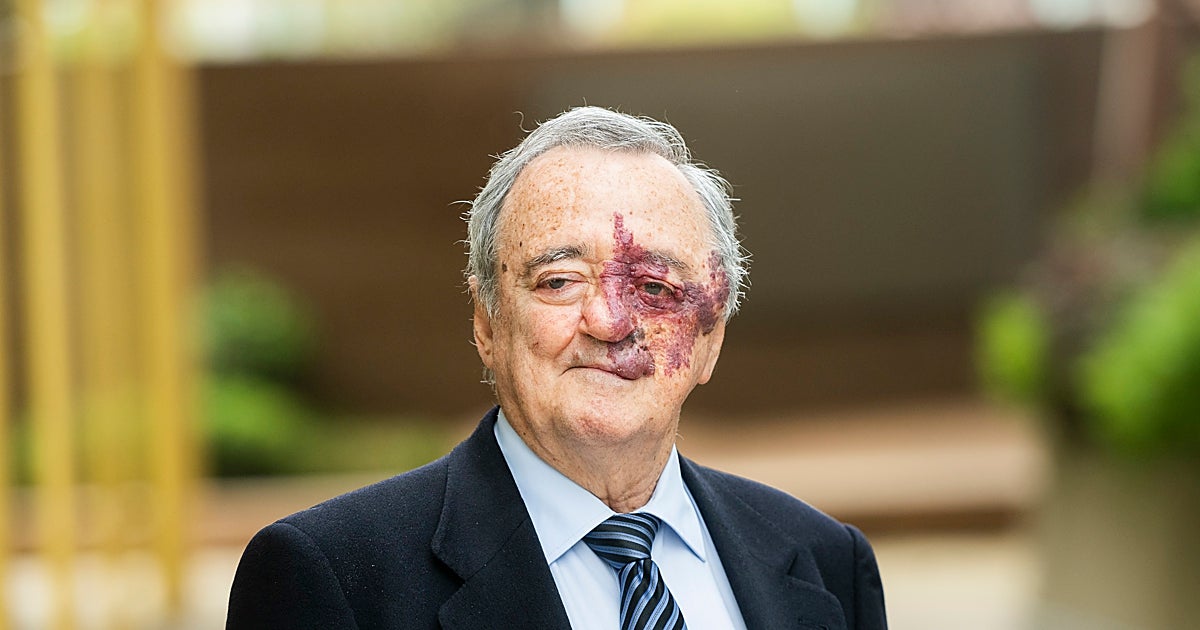
In a significant blow to the field of pancreatic cancer research, one of the most promising studies of recent years has been retracted by the prestigious Proceedings of the National Academy of Sciences (PNAS) due to undeclared conflicts of interest. The retracted paper, led by renowned Spanish molecular biochemist Mariano Barbacid, had reported groundbreaking results in preclinical trials using a triple-drug therapy to eliminate pancreatic tumors in mice. The retraction, announced on April 27, 2026, has sent shockwaves through the scientific community and raised critical questions about transparency in medical research.
The study, titled “A targeted combination therapy achieves effective pancreatic cancer regression and prevents tumor resistance”, was initially published in December 2025 and quickly gained international attention for its potential to revolutionize treatment for pancreatic ductal adenocarcinoma (PDAC), one of the deadliest and most treatment-resistant forms of cancer. However, the retraction notice, published in the May 5, 2026, issue of PNAS, cites “undeclared competing interests” as the reason for the withdrawal, casting a shadow over what had been hailed as a major breakthrough.
The Study That Promised a Breakthrough
Barbacid, a world-renowned researcher and head of the Experimental Oncology Group at Spain’s National Cancer Research Center (CNIO), had led a team that developed a novel combination therapy targeting three key signaling pathways in pancreatic cancer: KRAS (using the inhibitor RMC-6236, also known as daraxonrasib), EGFR (using afatinib), and STAT3 (using the experimental compound SD36). The study reported that this triple-drug approach led to the complete regression of pancreatic tumors in genetically engineered mouse models and patient-derived xenografts, with no evidence of tumor resistance for over 200 days post-treatment. The findings were particularly striking given the historical challenges in treating PDAC, which has a five-year survival rate of just 10% globally.
Pancreatic cancer is notoriously hard to treat due to its ability to develop resistance to therapies by activating alternative growth pathways. Barbacid’s team had addressed this issue by simultaneously targeting multiple pathways, a strategy that appeared to overcome the cancer’s adaptive mechanisms. The study also noted that the therapy was well-tolerated in mice, with minimal side effects, including normal blood cell counts and no significant weight loss. These results were described as “unprecedented” in a CNIO press release from February 2026, which emphasized the potential for the therapy to guide future clinical trials.
The Retraction and Undeclared Conflicts
The retraction notice, published under the title “Retraction for Liaki et al., A targeted combination therapy achieves effective pancreatic cancer regression and prevents tumor resistance”, provides little detail beyond the phrase “undeclared competing interests.” However, multiple Spanish media outlets, including ABC, El Mundo, elDiario.es, and La Voz de Galicia, have reported that the conflicts involve Barbacid’s financial ties to pharmaceutical companies involved in the development of the drugs used in the study. According to these reports, Barbacid failed to disclose his relationships with the manufacturers of daraxonrasib and afatinib, as well as his involvement in a biotechnology startup linked to the experimental STAT3 inhibitor, SD36.
In a statement to El Mundo, a spokesperson for PNAS confirmed that the retraction was initiated after an internal review revealed discrepancies in the conflict-of-interest disclosures submitted by the authors. “The integrity of the scientific record is paramount,” the spokesperson said. “When conflicts of interest are not fully disclosed, it undermines the trust that the public and the scientific community place in published research.” The statement did not provide further details about the nature of the conflicts or the specific companies involved.
Barbacid, who has not publicly responded to the retraction, has a long and distinguished career in cancer research. He is best known for his function on the RAS family of oncogenes, which are mutated in approximately 30% of all human cancers, including nearly all cases of pancreatic cancer. His research has been instrumental in advancing the understanding of how these mutations drive tumor growth and resistance to treatment. However, the retraction of his latest study has raised concerns about the potential influence of financial interests on scientific research, particularly in a field as high-stakes as cancer treatment.
Why This Retraction Matters
The retraction of Barbacid’s study is significant for several reasons. First, it highlights the critical importance of transparency in scientific publishing. Conflicts of interest, whether financial, professional, or personal, can potentially bias research outcomes or the interpretation of data. Journals like PNAS require authors to disclose any relationships that could be perceived as influencing their work, and failure to do so can result in retractions, even if the research itself is not found to be flawed.

Second, the study’s findings had generated considerable hope among patients, and researchers. Pancreatic cancer is the sixth leading cause of cancer-related deaths worldwide, and current treatment options are limited. The promise of a therapy that could not only shrink tumors but also prevent resistance had sparked optimism that a new era of treatment might be on the horizon. The retraction serves as a stark reminder of the risks inherent in translating preclinical research into clinical applications, particularly when financial interests are involved.
Third, the incident underscores the broader challenges facing the scientific community in maintaining public trust. High-profile retractions, particularly those involving conflicts of interest, can fuel skepticism about the reliability of scientific research. This is especially true in the context of medical research, where the stakes are literally life and death. The retraction of Barbacid’s study may lead to increased scrutiny of other high-impact cancer research, particularly studies involving novel drug combinations or experimental therapies.
The Broader Context: Conflicts of Interest in Medical Research
Conflicts of interest in medical research are not uncommon, and they can take many forms. Financial conflicts, such as ties to pharmaceutical companies or biotechnology firms, are among the most common and can create incentives that influence the design, conduct, or reporting of research. For example, a researcher with financial ties to a drug manufacturer might be more likely to emphasize positive results or downplay negative findings in their studies.
In recent years, there has been growing pressure on journals and research institutions to enforce stricter conflict-of-interest disclosure policies. In 2023, the International Committee of Medical Journal Editors (ICMJE) updated its recommendations for authors, emphasizing the need for full transparency in disclosing all potential conflicts, including those that are not directly financial. The ICMJE guidelines state that “authors should disclose all relationships or interests that could have direct or potential influence or impart bias on the work,” and that these disclosures should be updated if new conflicts arise after publication.
The retraction of Barbacid’s study is not the first high-profile case involving conflicts of interest in cancer research. In 2021, a study published in The New England Journal of Medicine on the effectiveness of a new immunotherapy for lung cancer was retracted after it was revealed that the lead author had failed to disclose financial ties to the company developing the drug. Similarly, in 2018, a study on the benefits of a cholesterol-lowering drug was retracted from The Lancet after concerns were raised about the authors’ relationships with the pharmaceutical industry.
What Happens Next?
The retraction of Barbacid’s study does not necessarily mean that the research itself is invalid. However, the undeclared conflicts of interest have created a cloud of uncertainty over the findings, and further investigation may be needed to determine whether the results can be replicated independently. In the meantime, the retraction serves as a cautionary tale about the importance of transparency in scientific publishing.
For patients and families affected by pancreatic cancer, the retraction is a disappointing setback. However, the study was conducted in preclinical models, and the therapy has not yet been tested in humans. Clinical trials, which are the next step in evaluating the safety and efficacy of new treatments, are a lengthy and rigorous process, and many promising therapies fail to translate from the lab to the clinic.

Barbacid’s team had previously indicated that the therapy was not yet ready for human trials, despite the promising results in mice. In a February 2026 interview with Our Cancer Stories, Barbacid stated, “Whereas experimental results like those described here have never been obtained before, we are still not in a position to carry out clinical trials with the triple therapy.” The retraction may further delay any potential progress toward human trials, as researchers and regulators will likely demand additional scrutiny of the study’s methodology and findings.
For the scientific community, the retraction serves as a reminder of the need for vigilance in ensuring the integrity of research. Journals, institutions, and funding agencies must continue to enforce strict conflict-of-interest policies and hold researchers accountable for full disclosure. At the same time, the public must be educated about the complexities of scientific research, including the potential for conflicts of interest and the importance of independent replication in validating findings.
Key Takeaways
- The Study: The retracted study, led by Mariano Barbacid, reported that a triple-drug therapy eliminated pancreatic tumors in mice with no evidence of resistance. The therapy targeted KRAS, EGFR, and STAT3 signaling pathways.
- The Retraction: PNAS retracted the study on April 27, 2026, due to “undeclared competing interests,” reportedly involving Barbacid’s financial ties to pharmaceutical companies linked to the drugs used in the study.
- The Impact: The retraction has raised concerns about transparency in medical research and the potential influence of financial interests on scientific outcomes. It also serves as a setback for patients and researchers hoping for new treatments for pancreatic cancer.
- The Broader Issue: Conflicts of interest in medical research are a persistent challenge. Journals and institutions must enforce strict disclosure policies to maintain public trust in scientific research.
- Next Steps: The retraction does not necessarily invalidate the study’s findings, but further independent research will be needed to determine the therapy’s potential. Clinical trials, if pursued, will likely face additional scrutiny.
Conclusion
The retraction of Mariano Barbacid’s study is a sobering reminder of the complexities and challenges inherent in medical research. Even as the promise of a breakthrough therapy for pancreatic cancer has been delayed, the incident underscores the critical importance of transparency, accountability, and independent validation in science. For now, patients and researchers alike will be watching closely to spot whether the findings can be replicated and whether the therapy can eventually move toward clinical trials.
As the scientific community grapples with the fallout from this retraction, one thing is clear: the integrity of research must remain paramount. Only by maintaining the highest standards of transparency and accountability can the scientific community hope to deliver on its promise of improving human health.
What are your thoughts on this retraction and its implications for medical research? Share your comments below and join the conversation.
Keep reading