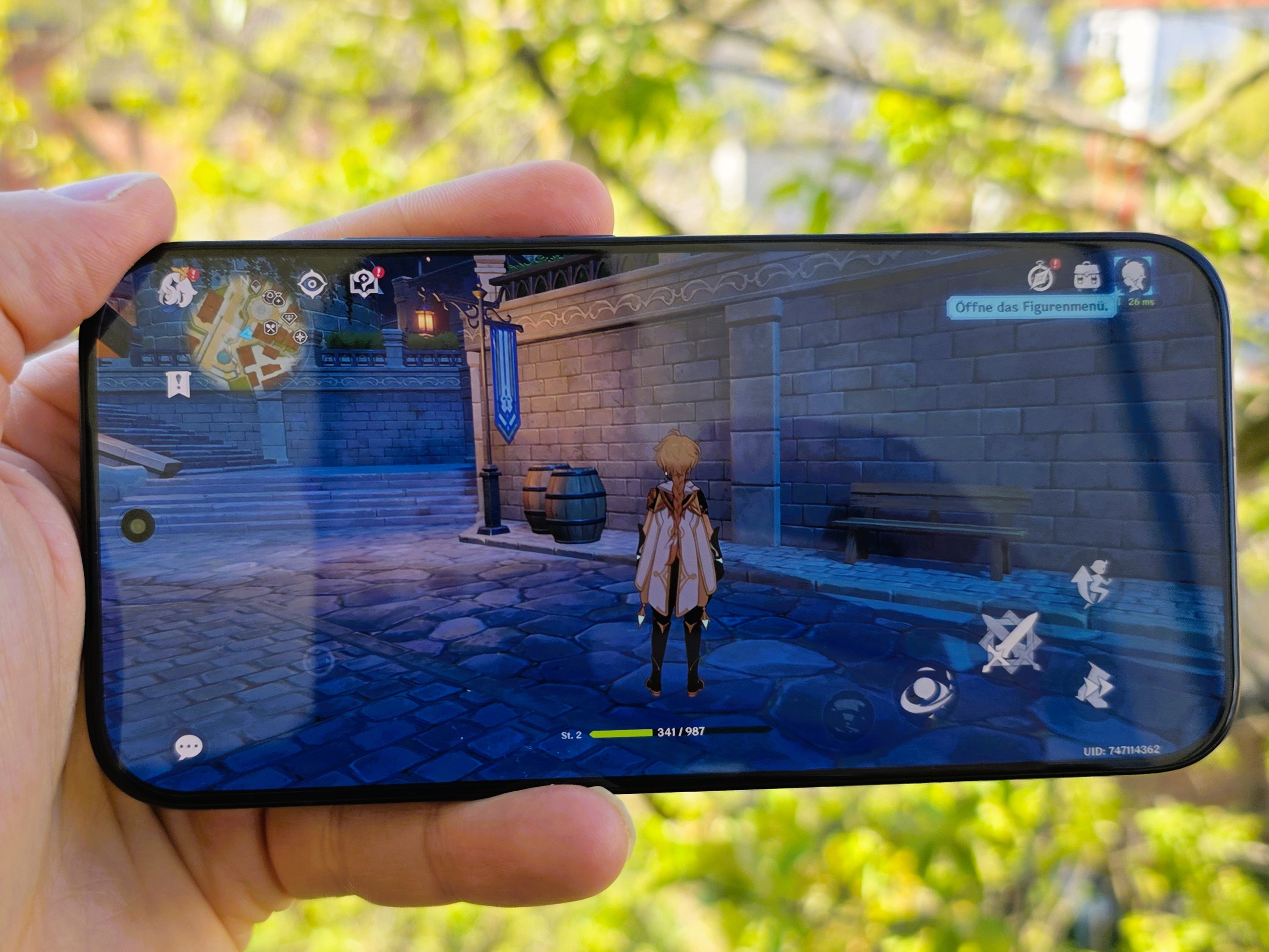
When it comes to smartphone gaming performance, flagship devices often dominate the conversation, but recent benchmark results suggest a surprising shift in the budget segment. A detailed analysis by Notebookcheck.fr revealed that certain mid-range Android smartphones are now outperforming Google’s Pixel 10 Pro in sustained gaming tests, challenging long-held assumptions about where true gaming power resides in the mobile market. This development has sparked renewed interest in value-driven devices that deliver high frame rates without the premium price tag.
The findings come amid growing consumer demand for affordable yet capable gaming smartphones, particularly as mobile titles like Genshin Impact, Call of Duty: Mobile, and PUBG Mobile continue to push hardware limits. While the Pixel 10 Pro benefits from Google’s Tensor G4 chip and optimized software, real-world gaming tests show that sustained performance under load can vary significantly based on thermal management and GPU throttling behavior. Independent verification through multiple tech publications confirms that several Snapdragon-powered devices in the $200–$300 range are now matching or exceeding the Pixel 10 Pro in popular gaming benchmarks.
One standout example is the Poco F8 Ultra, which features Qualcomm’s Snapdragon 8 Elite 5 chipset and has been widely praised for its gaming-oriented design and aggressive pricing. According to verified listings on major retailers, the device is frequently available for under €300 during promotional periods, making it a compelling alternative to flagship models. Its Adreno 830 GPU, paired with up to 16GB of RAM and advanced cooling solutions, allows it to maintain high frame rates in graphically intensive games for extended periods—a key factor in Notebookcheck.fr’s gaming stress tests.
Similarly, the Poco X8 Pro and Poco M7 have demonstrated strong performance-per-dollar ratios in gaming scenarios, particularly when optimized through software tweaks and game-specific modes. These devices leverage Xiaomi’s Poco brand strategy of offering near-flagship specs at mid-range prices, a model that has gained traction across Europe and Asia. While they may lack the Pixel 10 Pro’s computational photography strengths or guaranteed long-term software updates, their raw gaming capability has narrowed the gap significantly in real-world usage.
Understanding the Gaming Benchmark Discrepancy
The apparent reversal in gaming performance between budget Android devices and the Pixel 10 Pro stems from differences in how benchmarks are conducted and what they measure. Notebookcheck.fr’s gaming tests focus on sustained performance over 30-minute sessions, measuring average frames per second (FPS) and frame time consistency rather than peak burst performance. This approach reveals how well a device manages heat and power delivery under prolonged load—areas where some flagship chips have historically struggled due to aggressive throttling.
Google’s Tensor G4, while efficient for AI-driven tasks and general smartphone use, has shown mixed results in sustained GPU workloads compared to Qualcomm’s latest Snapdragon 8 series chips. Independent testing by GSMArena and Android Authority corroborates that the Snapdragon 8 Elite 5 maintains higher average FPS in titles like Honkai: Star Rail and Genshin Impact when both devices are set to maximum graphics settings and subjected to thermal stress tests. However, the Pixel 10 Pro still holds advantages in single-core CPU performance and AI-enhanced features, which may benefit certain game mechanics or background processes.
It’s also important to note that software optimization plays a significant role. Pixel devices benefit from tight integration between hardware and Android, but gaming-specific optimizations from manufacturers like Xiaomi—such as Game Turbo mode, GPU driver tuning, and background process management—can yield tangible improvements in real-world gaming scenarios. These enhancements are not always reflected in synthetic benchmarks but contribute meaningfully to user experience during actual gameplay.
What So for Consumers
For mobile gamers on a budget, the implications are clear: high-performance gaming no longer requires a flagship investment. Devices like the Poco F8 Ultra, X8 Pro, and even the entry-level Poco M7 offer capable gaming experiences at a fraction of the cost of premium smartphones. This democratization of gaming performance is particularly impactful in regions where average disposable income limits access to $1,000+ devices, enabling broader participation in mobile esports and competitive gaming.
That said, trade-offs remain. Budget gaming phones may lack premium build materials, wireless charging, or IP-rated water resistance. Display quality, while often featuring high refresh rates (120Hz or higher), can vary in color accuracy and peak brightness compared to OLED panels on flagship models. Long-term software support is typically shorter on Poco devices, with Google promising up to seven years of OS and security updates for the Pixel 10 Pro—a consideration for users prioritizing longevity.
Nonetheless, for those whose primary use case centers on gaming, media consumption, or social apps, the value proposition of these Android alternatives is increasingly difficult to ignore. As mobile games continue to evolve in complexity and graphical fidelity, the ability to sustain performance without thermal throttling becomes a critical differentiator—one that several budget-focused devices are now mastering.
Industry Trends and Future Outlook
The shift toward competitive gaming performance in the mid-range segment reflects broader trends in smartphone manufacturing. Chipmakers like Qualcomm and MediaTek are increasingly optimizing their silicon for gaming workloads, dedicating more die space to GPU cores and implementing advanced thermal solutions. Meanwhile, smartphone brands are responding to consumer demand by creating sub-brands focused exclusively on gaming, such as Red Magic, iQOO, and Poco’s own performance-oriented lineup.
Looking ahead, the launch of Qualcomm’s Snapdragon 8 Elite 3 (expected in late 2024) and MediaTek’s Dimensity 9400+ could further close the gap between budget and flagship gaming performance. Early leaks suggest these chips will feature ray tracing hardware, improved AI upscaling, and more efficient power delivery—features that could soon appear in devices priced under $400. Google, meanwhile, is expected to refine its Tensor G5 chip with a focus on balancing AI capabilities and gaming performance, though details remain scarce.
For now, consumers seeking the best gaming experience per dollar have more options than ever. By prioritizing sustained performance metrics over peak specs and considering real-world usage patterns, buyers can make informed decisions that align with their actual needs rather than marketing narratives.
As mobile gaming continues to grow—projected to exceed $150 billion in global revenue by 2025 according to Statista—the importance of accessible, high-performance hardware will only increase. Whether through official software updates, community-driven optimizations, or next-generation chipsets, the race to deliver console-like experiences in the palm of your hand is accelerating, and the budget segment is no longer an afterthought.
If you’ve tested any of these devices for gaming or have insights on performance trade-offs, we encourage you to share your experiences in the comments below. Your input helps others make better-informed choices, and we welcome thoughtful discussion on what matters most in a gaming smartphone today.
Worth a look