The New Speed Era in Professional Cycling: Are 7 watts Per Kilogram About to Fall?
Professional cycling is undergoing a dramatic transformation. Recent data confirms what many in the sport have suspected: the 2025 WorldTour season was the fastest in history, averaging a blistering 42.913 kph.This substantially surpasses the 40-something kph averages seen throughout the 2010s, signaling a clear shift in performance levels.
But speed numbers alone don’t tell the whole story. The underlying data reveals a deeper trend of escalating power output and athletic performance.
Power Numbers Are Climbing
Consider these recent examples: Quinn Simmons recently sustained an impressive 350 watts for nearly six hours during Il Lombardia,yet didn’t reach the podium. Even more telling, Remco Evenepoel shared that he generated roughly one-third more power at October’s “Race of the Falling Leaves” than Gianni Moscon did in 2017.
Evenepoel explained to reporters that Moscon averaged around 200 watts to finish third in Lombardy eight years ago. In contrast, Evenepoel needed 290 watts to secure second place this year. These numbers highlight a considerable increase in the power required to compete at the highest level.
What Does This Mean for the Future?
The question now is: how much further can this evolution go? For years, 7 watts per kilogram (w/kg) has been considered a benchmark of elite cycling performance. But with the current trajectory, that barrier appears increasingly vulnerable.
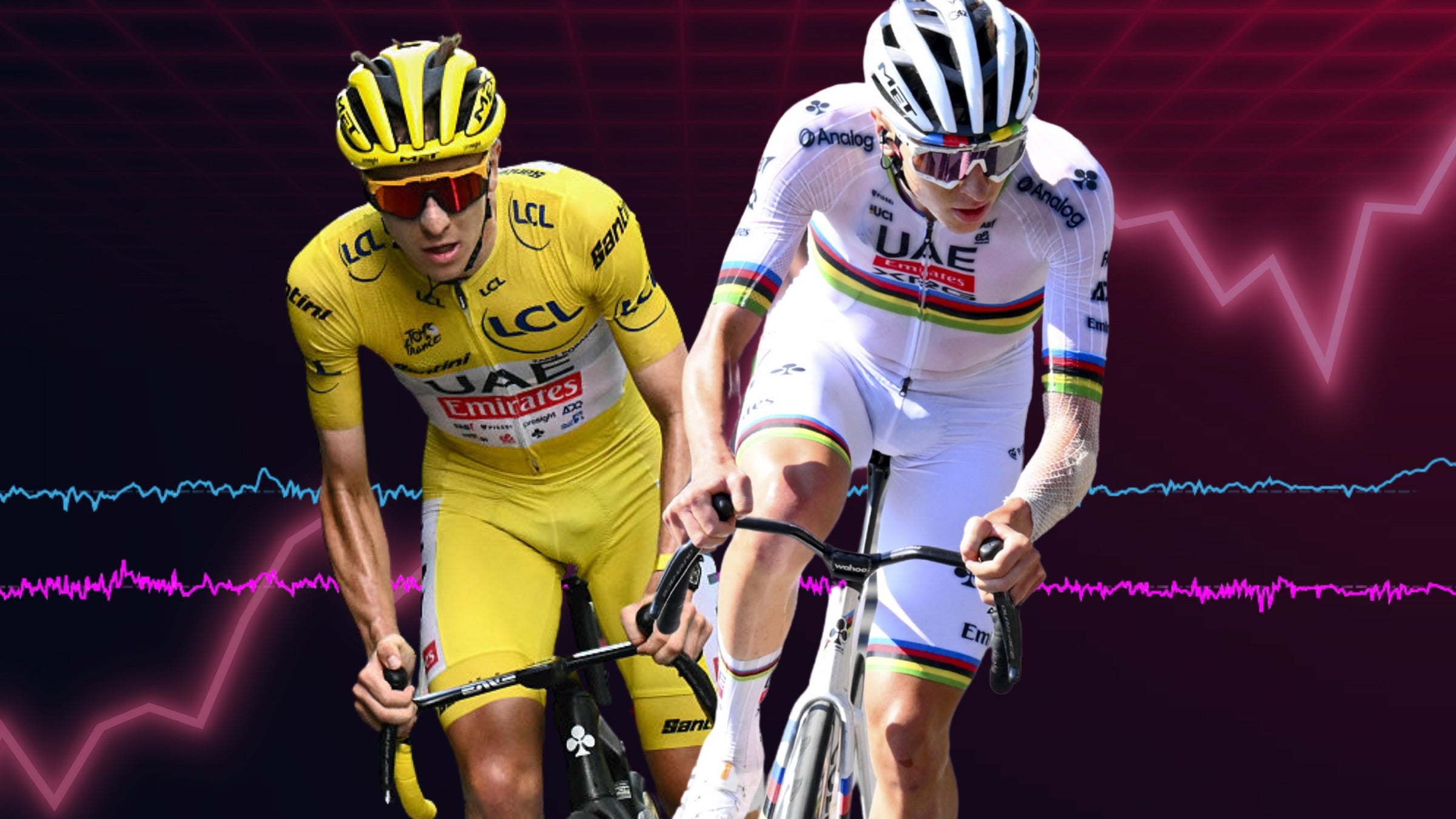
Several factors are driving this change. Teams are investing heavily in cutting-edge training methodologies and technology. Tadej Pogačar, for exmaple, has seen significant gains thanks to a complete training overhaul led by Javier Sola. Importantly, even at 27, Pogačar continues to improve.
Moreover, rivals like Evenepoel and Vingegaard are relentlessly pushing their limits. Escalating team budgets and the submission of advanced scientific principles are raising the performance floor across the entire peloton.
The inevitable: Breaking the 7 w/kg Barrier
You’re likely wondering when we’ll see 7 w/kg become commonplace. The momentum is undeniable.
Here’s what you can expect:
* Continued investment in sports science: Teams will continue to refine training protocols, nutrition, and recovery strategies.
* Technological advancements: expect further innovations in bike technology, aerodynamics, and equipment.
* Increased competition: The drive to gain even marginal advantages will push riders to their absolute limits.
Our prediction? The 7 w/kg barrier won’t hold for much longer.The future of professional cycling is about sustained, incredibly high power output, and we’re on the cusp of a new era of speed.
Related reading