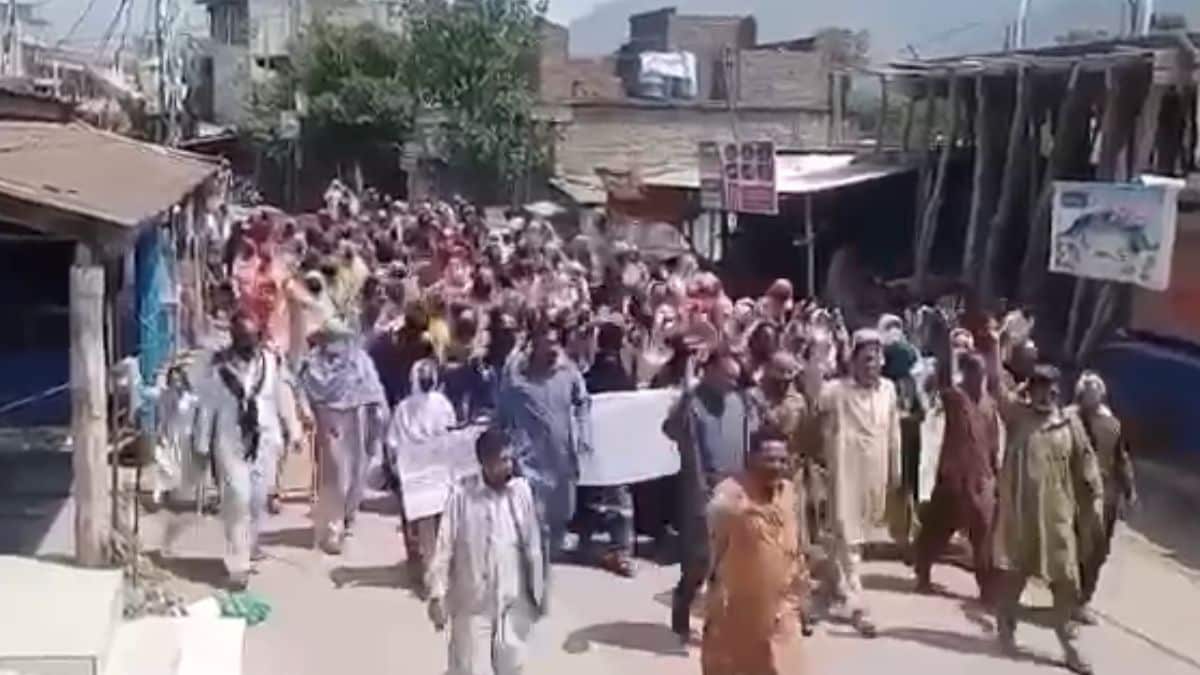
Security forces in Pakistan-administered Kashmir (PoK) opened fire on protesters on Monday, resulting in at least 16 deaths, according to local medical officials and witnesses. This escalation follows two days of widespread civil unrest that left at least 30 people dead, bringing the total casualty count in the region to nearly 50 over the course of less than a week. The violence stems from ongoing demonstrations against rising electricity tariffs and high food inflation, which have paralyzed the territory.
The unrest, which intensified after security personnel attempted to clear protest sites, has led to a near-total shutdown of public services in major cities across the region. According to reports from the Associated Press, the local administration has responded by imposing strict curfews and restricting mobile internet access to curb the spread of protests. The situation remains fluid, with local hospitals reporting that they are struggling to accommodate the influx of those injured in the latest confrontations.
Origins of the Civil Unrest
The current demonstrations, coordinated largely by the Jammu Kashmir Joint Awami Action Committee (JAAC), began as a protest against the withdrawal of subsidies on flour and electricity. Residents have expressed frustration over the high cost of living, noting that while the region is a significant producer of hydroelectric power, local communities have seen little benefit in terms of affordable utility rates. As documented by Al Jazeera, the committee has been demanding a reduction in electricity prices and the restoration of wheat subsidies that were eliminated earlier this year.

The economic strain is compounded by broader political grievances regarding the administration of the territory. Protesters have utilized social media and local assemblies to voice dissent against perceived government negligence. The government of Pakistan, which oversees the administration of the region, has faced criticism for its handling of the economic crisis, with local leaders calling for an immediate dialogue to prevent further loss of life. As of Monday, the federal government had not released a formal statement regarding the specific casualty figures, though officials in the region have confirmed that law enforcement agencies were deployed in significant numbers to manage the crowds.
Impact on Regional Stability and Services
The violence has effectively severed transportation links between major urban centers, including Muzaffarabad and Mirpur. Schools, markets, and government offices remain closed as the region observes a general strike. According to data provided by the Human Rights Watch, the restriction of digital communication channels has hindered the ability of residents to access essential information or emergency services. The loss of life—now exceeding 40 people in total—has prompted calls for an independent inquiry into the use of force by security personnel during the dispersal of civilian gatherings.
Observers note that this is one of the most significant periods of civil disturbance in the region in recent years. The economic policy shifts implemented by the central authorities have served as a catalyst for long-standing grievances to surface. There is currently a high level of uncertainty regarding the potential for a de-escalation, as the JAAC has indicated that it will not suspend its actions until its core demands are met. The regional administration is under pressure to balance the maintenance of public order with the need to address the legitimate economic concerns raised by the local population.
Current Status and Future Developments
As of late Monday evening, the regional authorities have announced that they are entering into preliminary negotiations with representatives of the protesting committees. The primary goal of these discussions is to reach a temporary ceasefire and allow for the restoration of basic services. According to a statement released by the office of the Chief Secretary of the region, the government has agreed to review the current tariff structures, though no concrete timeline for these changes has been established.

The next confirmed checkpoint for this situation will be the upcoming meeting between government representatives and the Joint Awami Action Committee, scheduled for Tuesday. International observers, including those from various humanitarian organizations, are monitoring the situation to ensure that the rights of those detained during the protests are protected. Readers are encouraged to share this report and monitor our live updates section for further developments as official reports are released by the local authorities.
Related reading