
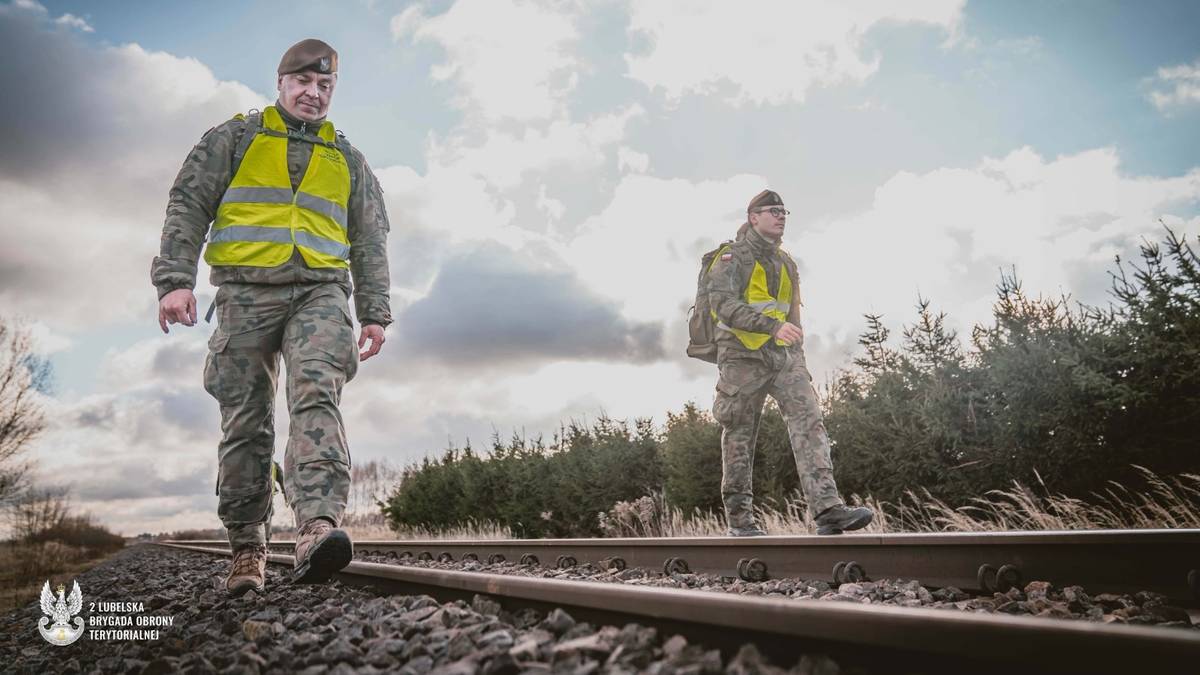
The Polish Ministry of National Defence has officially confirmed the extension of Operation Horyzont, a strategic military initiative designed to bolster the protection of the nation’s critical infrastructure. As regional security dynamics continue to shift, the decision, announced by Deputy Prime Minister and Minister of National Defence Władysław Kosiniak-Kamysz, underscores the government’s commitment to maintaining a robust defensive posture against evolving hybrid threats. This ongoing mission, which integrates military personnel with civilian security frameworks, remains a cornerstone of Poland’s current national security strategy.
The extension of Operation Horyzont reflects a broader effort by the Polish government to harden assets that are essential to the daily functioning of the state, including energy grids, telecommunications networks, and transport hubs. By maintaining a visible and active military presence in coordination with other state services, the Ministry of National Defence aims to deter potential sabotage and respond rapidly to any irregularities detected within these sensitive sectors. According to the Polish Ministry of National Defence, this proactive approach is essential for ensuring the continuity of state functions in a volatile geopolitical environment.
Strategic Context and Security Objectives
The primary mandate of Operation Horyzont is to provide specialized support to civil authorities in safeguarding infrastructure that, if compromised, could have significant socio-economic impacts. The decision to extend the operation indicates that the government views the current threat landscape as persistent. Historically, Poland has faced various challenges, including large-scale migration pressures at its eastern border and intensified cyber-intelligence activities, which necessitate a multifaceted approach to national defense as outlined in the NATO collective defense framework.

By deploying soldiers to support the protection of critical infrastructure, the Ministry ensures that the Polish Armed Forces are not only prepared for traditional combat roles but are also deeply integrated into the state’s internal security apparatus. This hybrid model allows for a more flexible allocation of resources. The personnel involved in the operation are tasked with monitoring, patrolling, and providing technical support to ensure that critical nodes remain resilient against both physical and non-physical interference.
Integration of Military and Civilian Assets
A defining feature of the current security strategy is the synergy between the military and infrastructure operators. The Ministry of National Defence has emphasized that the role of the military is complementary rather than primary in many civilian-run facilities. This involves close cooperation with the Internal Security Agency (ABW) and other intelligence services to identify vulnerabilities before they can be exploited. The legal framework governing these activities is rooted in the Act on Crisis Management, which provides the government with the necessary authority to mobilize military support during periods of heightened risk.

The operational success of this deployment depends largely on real-time intelligence sharing. By centralizing the data flow between various branches of the security forces, the government can achieve a more comprehensive “situational awareness.” This allows for a more surgical deployment of assets, ensuring that personnel are concentrated where they are most needed, rather than spread thin across the entire country.
Why Infrastructure Security Matters
Critical infrastructure protection has moved to the forefront of European defense policy, particularly following the sabotage of the Nord Stream pipelines and other incidents that exposed the vulnerability of subsea and land-based energy networks. For Poland, situated on the eastern flank of the European Union, the stakes are particularly high. The security of the Baltic Pipe project and the LNG terminal in Świnoujście represents a vital national interest, as these assets are central to the country’s energy independence strategy.
The Ministry of National Defence has repeatedly stated that Operation Horyzont is a direct response to the “hybrid threats” that characterize modern state-on-state rivalry. These threats often fall below the threshold of open armed conflict but are designed to destabilize the social and economic order. By maintaining a permanent military presence, the state signals to potential adversaries that any attempt to interfere with critical systems will be met with a swift and coordinated response.
Looking Ahead: The Next Phase of Defense
The extension of the operation is not a static measure but one that evolves based on the latest threat assessments provided by military intelligence and the Government Security Centre (RCB). As the situation in Eastern Europe remains fluid, the Ministry is expected to continue adjusting the scope and scale of these deployments. The government has indicated that future updates regarding the operation will be communicated through official state channels, ensuring transparency while maintaining the operational security required for such sensitive missions.

For citizens and stakeholders, the presence of military personnel near critical infrastructure is intended to provide a sense of stability and security. As we monitor the situation, the next official evaluation of the deployment’s effectiveness is expected to coincide with the government’s broader quarterly review of national security protocols. We will continue to track these developments as more information becomes available. If you have insights or questions regarding the impact of these security measures on your region, we encourage you to join the discussion in the comments section below.