
Economic uncertainty is mounting across Poland as new projections suggest that inflationary pressures may be more persistent than previously anticipated. Recent indicators and warnings from leading financial institutions have sparked concern among policymakers and households alike, suggesting that the cost-of-living crisis could intensify in the immediate term and remain a structural challenge through the middle of the decade.
The latest economic landscape is being shaped by a combination of fresh data from the central statistical authority and cautious forecasts from the nation’s largest banking entities. For the average Polish consumer, these developments signal a period of continued pressure on disposable income, as the “wallets” of citizens face the brunt of shifting price indices.
At the heart of the current anxiety is the potential for inflation to breach the stability thresholds set by the National Bank of Poland (NBP). As the country navigates a complex macroeconomic environment, the convergence of rising price levels and expert warnings regarding long-term peaks has placed the Polish economy under a microscope.
The May Threshold: PKO BP Warns of NBP Target Breach
One of the most pressing concerns emerged following analysis from PKO BP, one of Poland’s largest financial institutions. Analysts at the bank have signaled that inflation in May could potentially exceed the upper deviation of the NBP’s inflation target. This warning arrives at a critical juncture as the market awaits the full official reading from Statistics Poland (GUS).
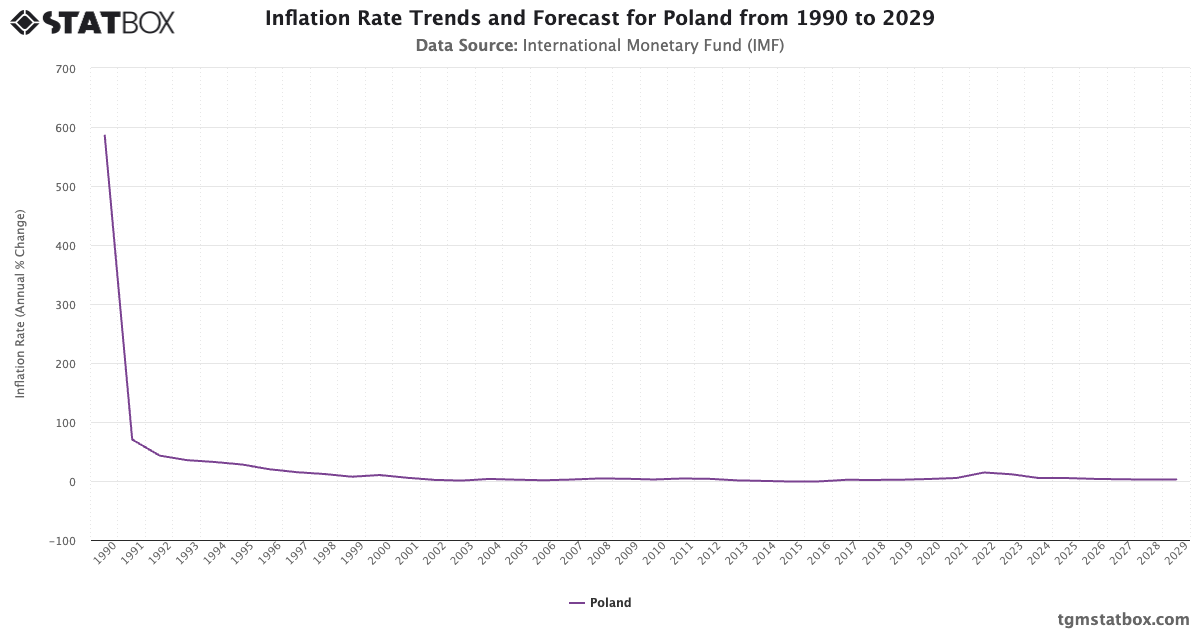
To understand the gravity of this warning, it is essential to clarify the NBP’s monetary policy framework. The central bank operates with an inflation target of 2.5%, but it allows for a fluctuation band of plus or minus one percentage point. Which means that the “target zone” for price stability is effectively between 1.5% and 3.5%. If inflation exceeds this 3.5% upper limit, it is considered to have moved outside the preferred stability corridor, often necessitating more aggressive monetary policy responses.
The possibility of a May surge suggests that inflationary drivers—ranging from energy costs to service sector pricing—may be more resilient than the central bank had hoped. Should the GUS data confirm PKO BP’s projections, it could limit the NBP’s ability to pivot toward interest rate cuts, potentially keeping borrowing costs higher for longer to prevent inflation from becoming entrenched.
Long-Term Volatility: The Credit Agricole 2026 Forecast
While the immediate focus remains on the upcoming month, long-term economic planning is being complicated by forecasts regarding the years ahead. Experts from Credit Agricole have provided a sobering outlook, identifying a specific timeline for when inflation in Poland is expected to reach its peak in 2026.
This long-term projection suggests that the fight against inflation is not a short-term sprint but a protracted marathon. The identification of a 2026 peak implies that the structural factors contributing to price volatility—such as labor market tightness, geopolitical tensions in the region, and supply chain adjustments—may continue to exert upward pressure on prices for the next several quarters.
For businesses and investors, this forecast is a critical component of risk management. A peak occurring in 2026 suggests that the “disinflationary” trend, which many had hoped would be swift, may be interrupted by secondary waves of price increases. This requires a cautious approach to capital expenditure and long-term debt structuring, as the cost of capital is likely to remain sensitive to these inflation cycles.
What This Means for Polish Households
The headline “bad news for Poles” is not merely a journalistic flourish; it reflects a tangible reality for millions of households. When inflation exceeds the NBP’s target, the real value of money diminishes, effectively acting as a hidden tax on savings and current income. This phenomenon is what economists refer to as the erosion of purchasing power.

The impact is felt most acutely in several key areas:
- Essential Goods: Volatility in food and energy prices remains a primary driver of consumer anxiety, as these items represent a larger share of the budget for lower-income households.
- Debt Servicing: If inflation remains above the target, the NBP is likely to maintain higher interest rates. This directly impacts those with variable-rate mortgages, increasing monthly repayment obligations.
- Real Wage Growth: Even if nominal wages continue to rise, if those increases do not outpace the headline inflation rate, households experience a decline in their standard of living.
The convergence of the PKO BP warning and the Credit Agricole long-term outlook creates a “pincer effect” for consumers: immediate pressure from a potential May spike, followed by the knowledge that price instability may persist until at least 2026.
Key Economic Indicators at a Glance
| Entity / Factor | Observation / Forecast | Economic Implication |
|---|---|---|
| NBP Target | 2.5% (± 1.0% band) | Stability zone is 1.5% to 3.5% |
| PKO BP Forecast | Potential breach in May | Possible higher-for-longer interest rates |
| Credit Agricole | Peak identified in 2026 | Protracted period of economic uncertainty |
| GUS Data | Recent release/upcoming readings | The primary benchmark for policy decisions |
As the Polish economy navigates these turbulent waters, the ability of the central bank to balance inflation control with economic growth will be the defining challenge of the year. For now, the data suggests that the path to price stability is more winding than many had anticipated.
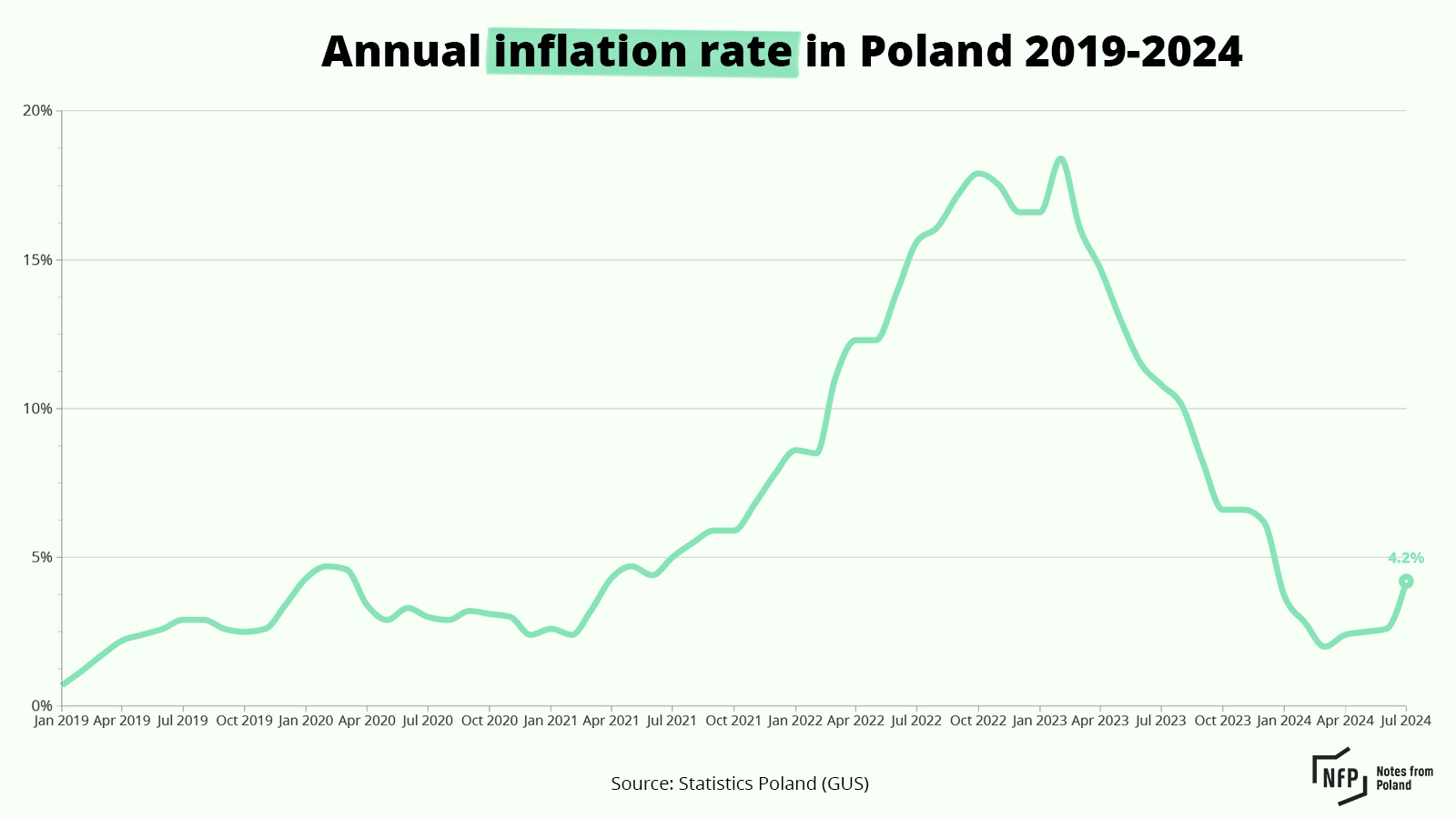
Next Checkpoint: Market participants will be closely monitoring the next official consumer price index (CPI) release from Statistics Poland (GUS) to confirm whether the May figures align with the warnings issued by PKO BP.
What are your observations on the rising costs of living in your region? Do you believe the NBP should prioritize inflation control or economic growth? Share your thoughts in the comments below and share this analysis with your network.
Related reading