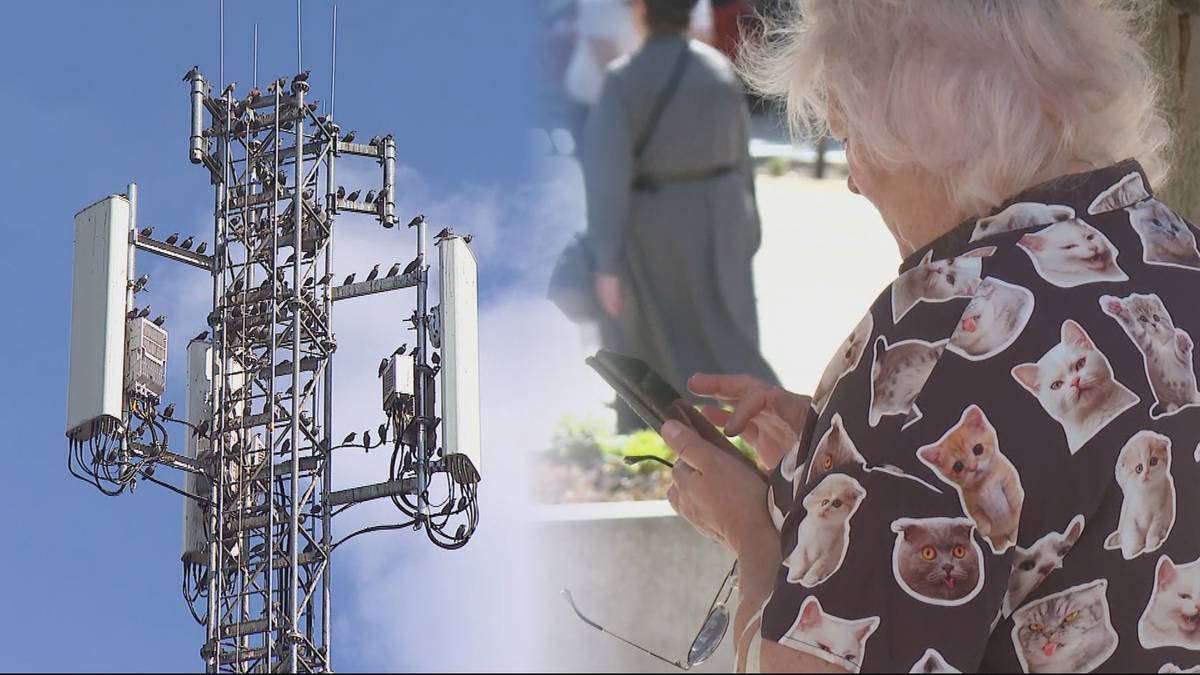
Poland is permanently phasing out its third-generation mobile networks by the end of 2026 to free up valuable radio frequencies for advanced 4G and 5G infrastructure. While the transition is mostly seamless for modern smartphone users, hundreds of thousands of older devices face a loss of mobile internet access and digital services.
Telecommunications operators across Poland are accelerating the retirement of legacy 3G infrastructure, a technology first introduced in the country more than two decades ago (as reported by Polsatnews). Major providers such as T-Mobile, Orange, and Play have already concluded or are finishing their network wind-downs, while Plus is preparing to launch its own final transition phase.
Industry experts emphasize that retiring the aging infrastructure is part of a global shift.
What Disconnecting 3G Means for Older Mobile Devices
For the vast majority of mobile subscribers in Poland, the network shutdown will pass unnoticed. Most users carry smartphones that automatically connect to 4G/LTE or 5G bands, which deliver higher data throughput, lower latency, and enhanced cybersecurity.
However, hundreds of thousands of older mobile devices still active in Poland rely predominantly on third-generation connectivity and older SIM cards (according to coverage from biznes.interia.pl). Users holding handsets restricted to 3G will retain basic voice calling and SMS capabilities, but they will completely lose mobile data access.
Tomasz Szwast from antyweb.pl stated that for owners of phones that also support newer technologies such as 4G, the changes introduced by operators will be imperceptible, whereas those with devices operating exclusively on 3G technology will still be able to make calls or send text messages from them, but will lose the ability to use the internet and various applications on them.
Without a mobile data connection, device owners will be unable to load local maps, run transport applications, execute mobile payments, or connect through internet-based messaging platforms like WhatsApp and Messenger (as detailed by biznes.interia.pl). Daily routines ranging from online banking and digital shopping to retrieving e-prescriptions and accessing public administration tools like mObywatel will require alternative access methods.
Risks of Digital Exclusion for Seniors and Vulnerable Groups
The transition poses distinct challenges for specific demographics, particularly senior citizens, residents of smaller towns, and individuals with lower incomes who interact less frequently with modern digital infrastructure.
Telecom representatives point out that long-term customers and older demographics are disproportionately represented among users clinging to legacy hardware (noted by biznes.interia.pl). Ensuring these groups maintain connectivity to essential services has become a key focus for network operators managing the switchover.
Piotr Szymanowski, deputy director of the B2C department at Plus, explained that their longest-standing and oldest customers use devices supporting 3G technology and 3G SIM cards—the very ones they will be shutting down—and noted that they want to secure access to the most modern services specifically for these groups.
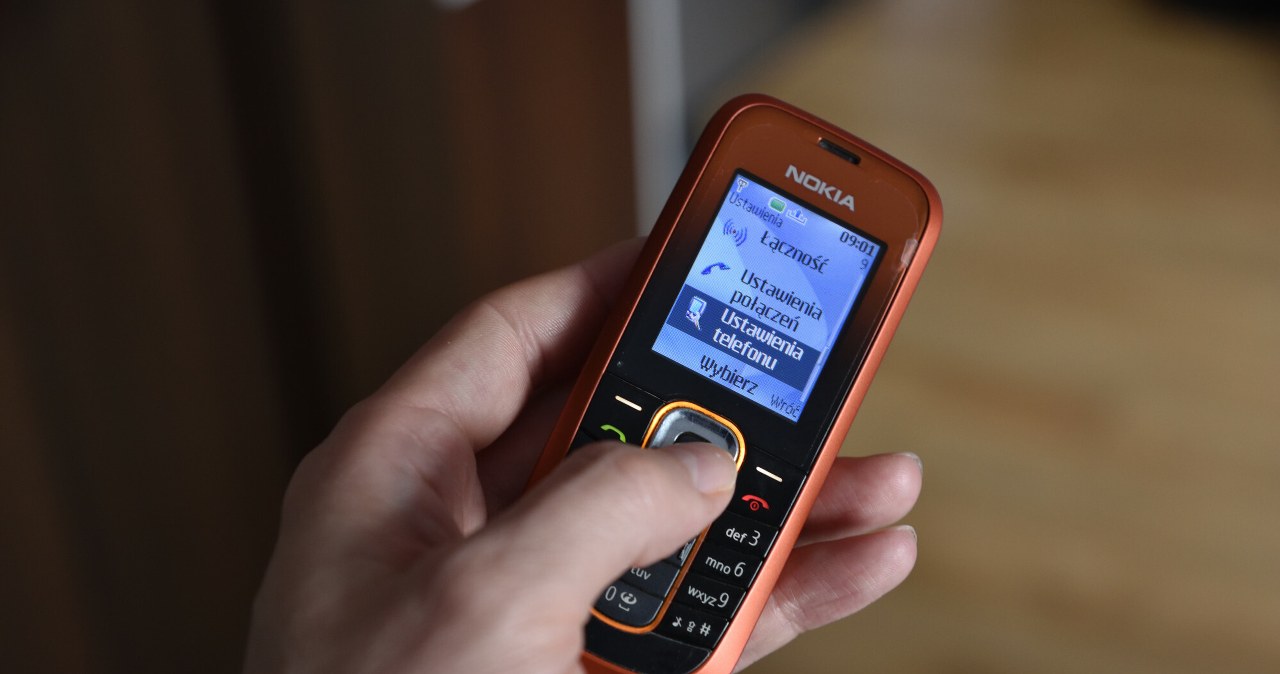
Industry figures have called on families and younger relatives to intervene before the switch is finalized to prevent vulnerable relatives from losing touch.
Piotr Szymanowski, deputy director of the B2C department at Plus, via Polsatnews, also appealed to look around among close family members, talk to parents, grandfathers, and grandmothers, and check what kind of devices they have.
Adam Toruński, representing the Plus network, reinforced this appeal on Polsat broadcasts, urging the public to check on elderly circle members who might remain unaware of shifting market standards.
How Users Can Verify Device Compatibility Before the Deadline
The core requirement is verifying whether a handset supports 4G/LTE connectivity and whether the inserted SIM card is fully provisioned for modern network operations.
Consumers whose devices support only third-generation protocols are encouraged to replace their handsets promptly to maintain full digital connectivity.
Related reading