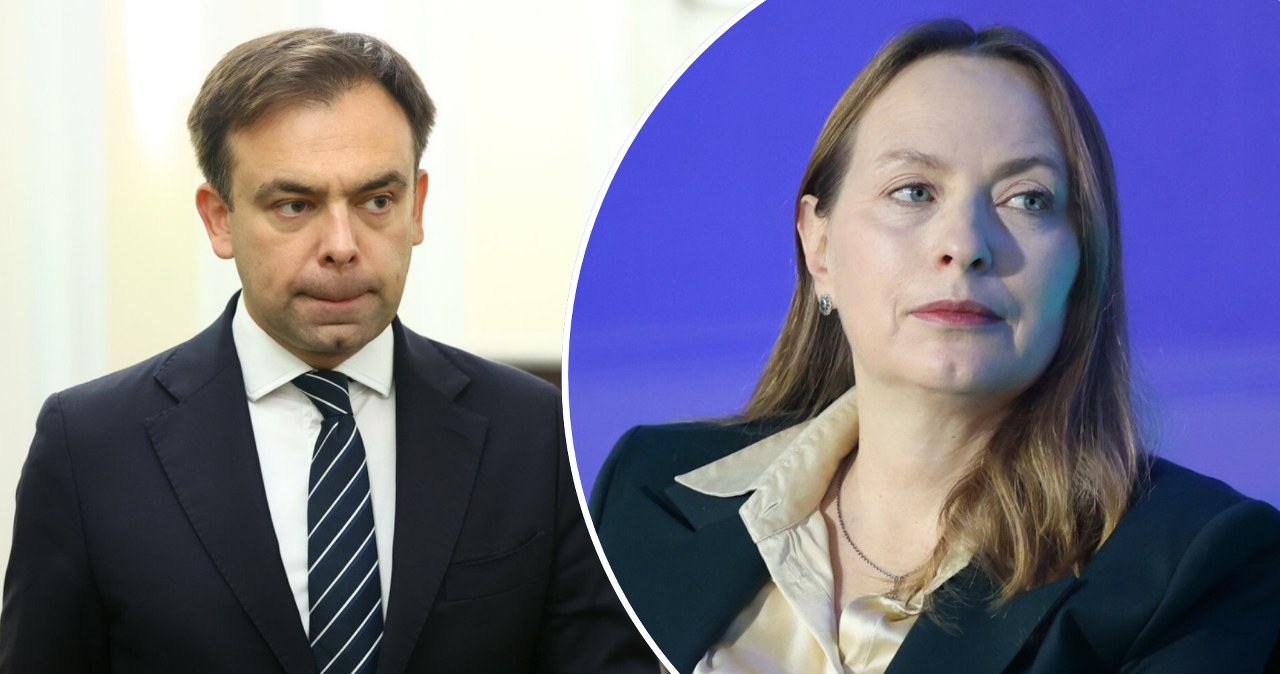
The intersection of fiscal policy and the rising cost of living has become a flashpoint in Polish politics, as cabinet members clash over the impact of frozen tax thresholds on middle-income earners. Recently, Katarzyna Pełczyńska-Nałęcz, the Minister of Development Funds and Regional Policy, publicly challenged Finance Minister Andrzej Domański regarding the current structure of the Personal Income Tax (PIT) system. At the heart of the dispute is the assertion that the lack of adjustment in tax brackets is effectively treating average earners—those whose wages have risen due to inflation—as if they were the wealthy, forcing them into a higher tax tier.
This debate highlights a growing structural tension in Poland’s economy. As nominal wages rise to keep pace with the cost of living, millions of workers find themselves crossing the threshold into the 32% tax bracket, a move that critics argue acts as a “hidden” tax hike. With the Polish Ministry of Finance currently balancing a significant budget deficit, the government faces a precarious choice: provide relief to taxpayers or maintain revenue streams necessary to cover rising public expenditures and security investments.
The Mechanics of “Bracket Creep” in Poland
To understand the current friction, it is essential to look at how Poland’s PIT system functions. Currently, the first tax threshold—the point at which an individual moves from a 12% to a 32% rate—is set at an annual income of 120,000 PLN. According to data from the National Revenue Administration (KAS), this threshold has remained static despite significant inflationary pressure over the last several years. When wages rise to match inflation, employees are not necessarily “wealthier” in real terms, yet they are increasingly finding themselves categorized as high earners by the tax code.
The phenomenon, often referred to by economists as “bracket creep,” results in a higher effective tax rate for individuals whose purchasing power remains stagnant or has even declined. For many, the transition into the 32% bracket is not a sign of prosperity, but rather a byproduct of wage indexation intended to offset the rising cost of basic goods, and services. As highlighted in recent economic analysis, this creates a situation where the state absorbs a larger share of household income without a formal legislative increase in tax rates.
Ministerial Disagreements on Fiscal Priorities
The public exchange between Minister Pełczyńska-Nałęcz and Minister Domański reflects broader divisions within the administration regarding fiscal responsibility. Minister Pełczyńska-Nałęcz has argued that the current tax burden on the middle class is unsustainable and that the government should prioritize indexation to prevent further erosion of household disposable income. Her position resonates with many economists who advocate for structural reform to ensure that tax brackets reflect the current economic reality.

Conversely, the Ministry of Finance, led by Andrzej Domański, has pointed to the necessity of fiscal consolidation. The European Commission has previously noted the challenges Poland faces in managing its public deficit, which remains a central constraint on the government’s ability to offer broad-based tax relief. Finance officials maintain that any adjustment to the PIT thresholds must be weighed against the potential impact on public debt and the funding of essential social programs.
Key Takeaways: Understanding the Tax Debate
- The Threshold: The current 32% tax rate applies to annual income exceeding 120,000 PLN.
- The Impact: Stagnant thresholds mean that inflation-adjusted wage increases push more taxpayers into the higher bracket.
- The Conflict: Disagreements exist within the government over whether to prioritize tax relief for the middle class or fiscal stability to control the budget deficit.
- Public Sentiment: There is growing pressure for the government to consider “unfreezing” or indexing tax thresholds to protect the real value of salaries.
What Happens Next for Taxpayers?
As the government prepares for the upcoming budget cycle, the question of PIT reform remains open. While no immediate legislative changes have been finalized, the dialogue between cabinet members suggests that the issue will be a focal point in upcoming cabinet sessions and parliamentary debates. Taxpayers are advised to monitor official announcements from the Ministry of Finance regarding any potential adjustments to the tax code or new relief measures for the 2025 fiscal year.

For individuals concerned about their tax position, it is recommended to consult with a tax professional to understand how current salary levels interact with the 120,000 PLN threshold. Understanding one’s projected annual income can help in planning for potential tax liabilities at the end of the settlement period. As this situation evolves, the government’s ability to reconcile its budgetary needs with the economic realities of its citizens will remain a critical metric of its economic policy effectiveness.
What are your thoughts on the current tax bracket structure in Poland? Should the government prioritize indexing thresholds to inflation, or is fiscal austerity more vital at this time? Share your perspective in the comments below.